
Plato (c. 428–348 BCE) was an Ancient Greek philosopher who laid the foundational frameworks for Western philosophy, science, and politics. A student of Socrates and the teacher of Aristotle, he founded the Academy in Athens and authored influential dialogues, including The Republic, which explored justice, reality, and the theory of Forms.
The Meaning of Logos
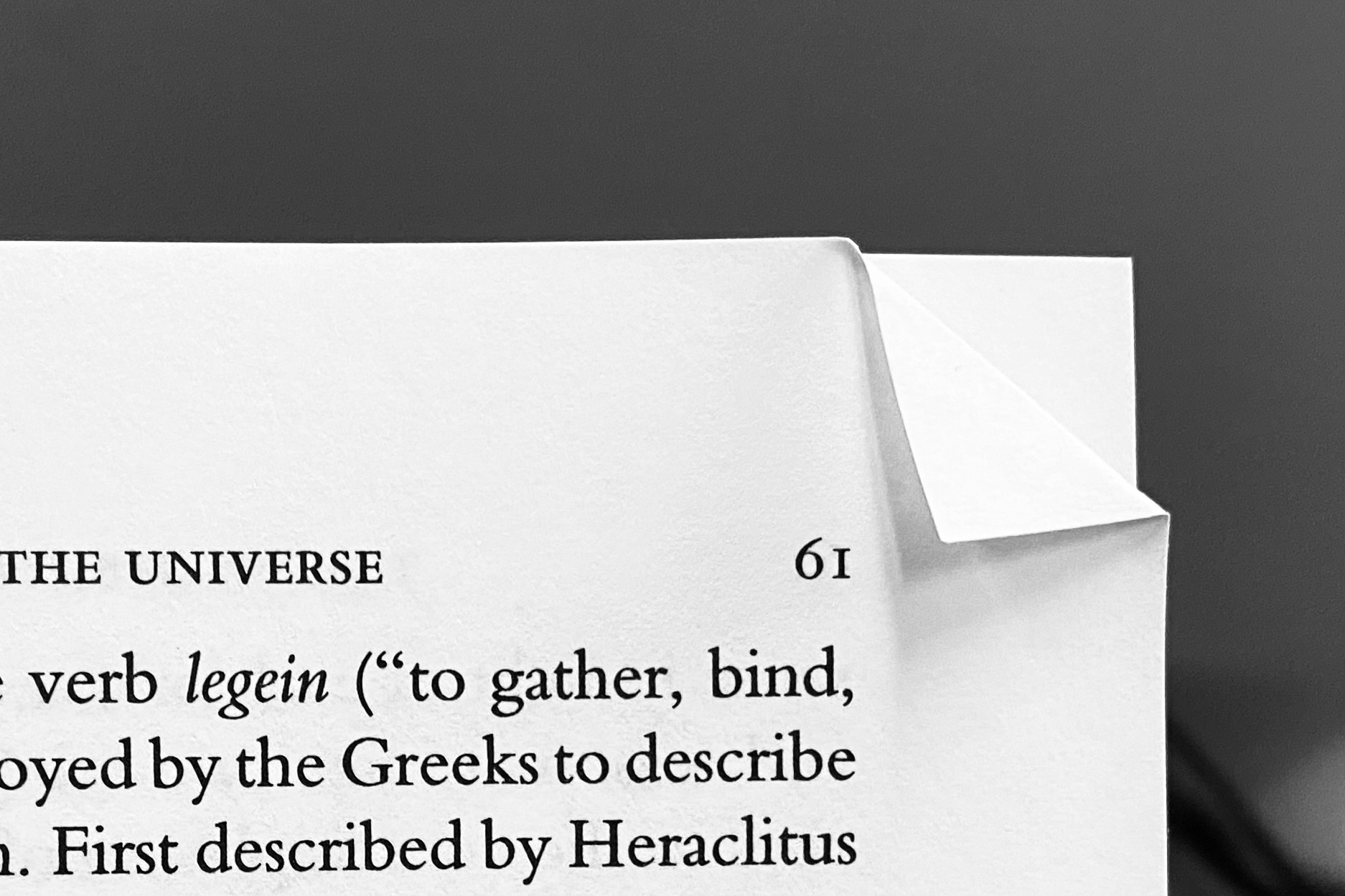
Taken from Fr John Nepil‘s To Heights and Unto Depths: Letters from the Colorado Trail:
“Creation felt symphonic Everything from the wildflowers below to the stratus clouds above spoke of order and design. The ancients had a word for this-one that would in time become intensely meaningful for Christians. They called it logos.
Some words are impossible to translate and logos is to be counted among them. Polyvalent in its essence, logos can be defined as ‘word, speech, discourse, thought, reason, and meaning’. Rooted in the verb legein (‘to gather, bind, link, or unite’), logos was employed by the Greeks to describe the unifying link of all creation. First described by Heraclitus around 500 b.c., logos was more than a principle of unity; it was the idea upon which the wise man lived. Plato would develop this intuition of logos as the mind, distinguishing it as the agent of creation that he called the demiurge. Stoic philosophers such as Cleante and Seneca saw in it the harmony of the universe, governed by the divine spirit. And at the end of the pre-Christian era, the great Jewish philosopher Philo would see the logos as the first power emanating from God, calling it ‘the bond of the universe’.”

