

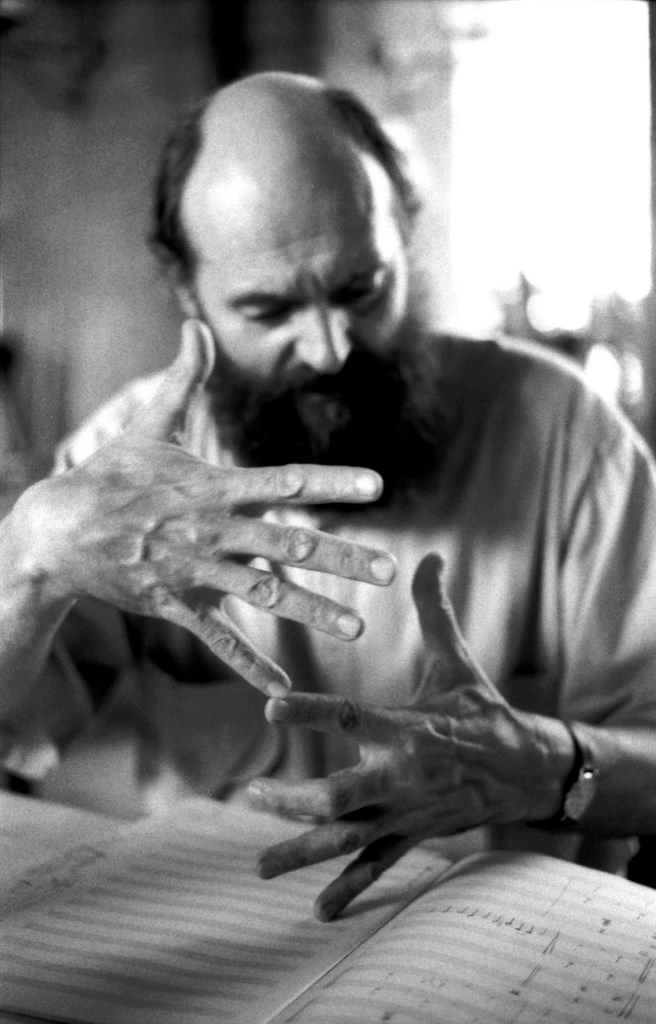
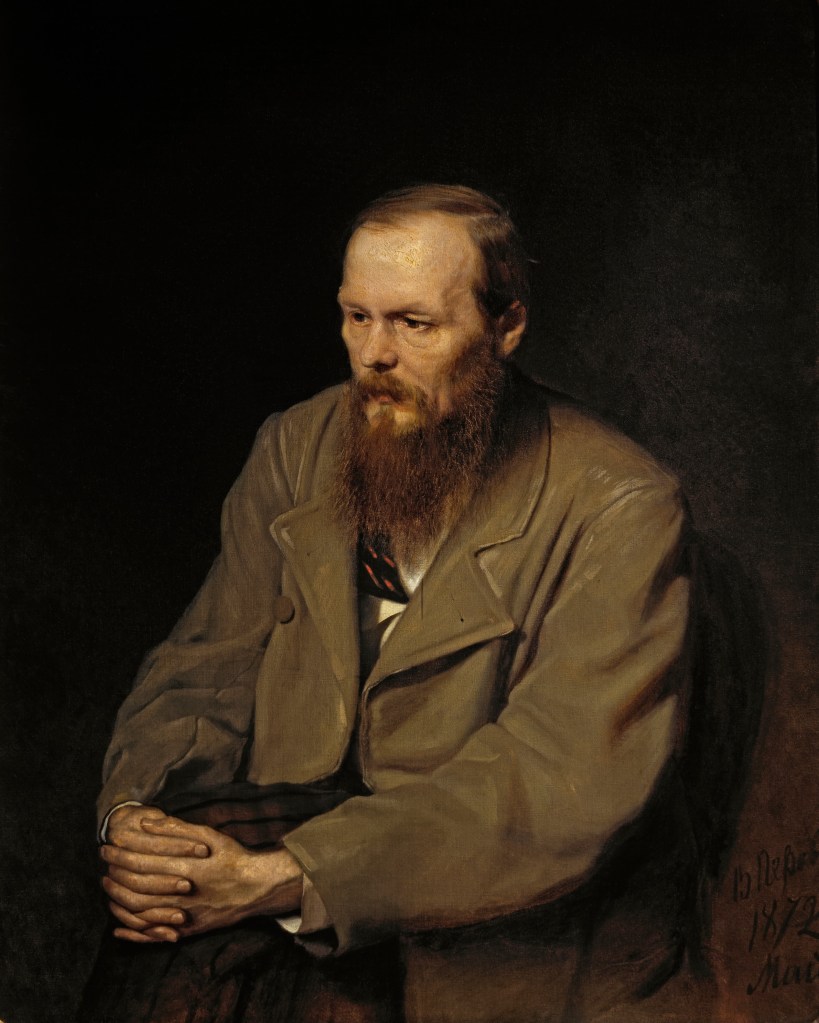
I considered myself an atheist for many years, but was always drawn to writers and artists who dealt with religious questions in their work. From the time I was a teenager, I immersed myself in the novels and short stories of Dostoyevsky and Tolstoy; I was fascinated by philosophers such as Kierkegaard and Wittgenstein; and I felt an affinity with composers and filmmakers who evoked religious experiences and concerns: the paintings and letters of Vincent Van Gogh, the recordings of John Coltrane and Arvo Pärt, and the films of Terrence Malick.


While studying literature at university I contracted a spinal infection that left me paralysed from the waist down, and then, later, from the chest down. To this day, the doctors do not know what caused the infection, or what prompted my recovery. I took a year away from studies to learn to walk again and rebuild my strength.
During those early stages of the illness, while lying in a hospital bed, I read a play about a woman buried up to her waist, and then, later, up to her neck. It was called Happy Days, and written by an Irish Nobel laureate called Samuel Beckett. This encounter began an enduring fascination with the author’s life and work, and later led to the beginnings of an academic career.
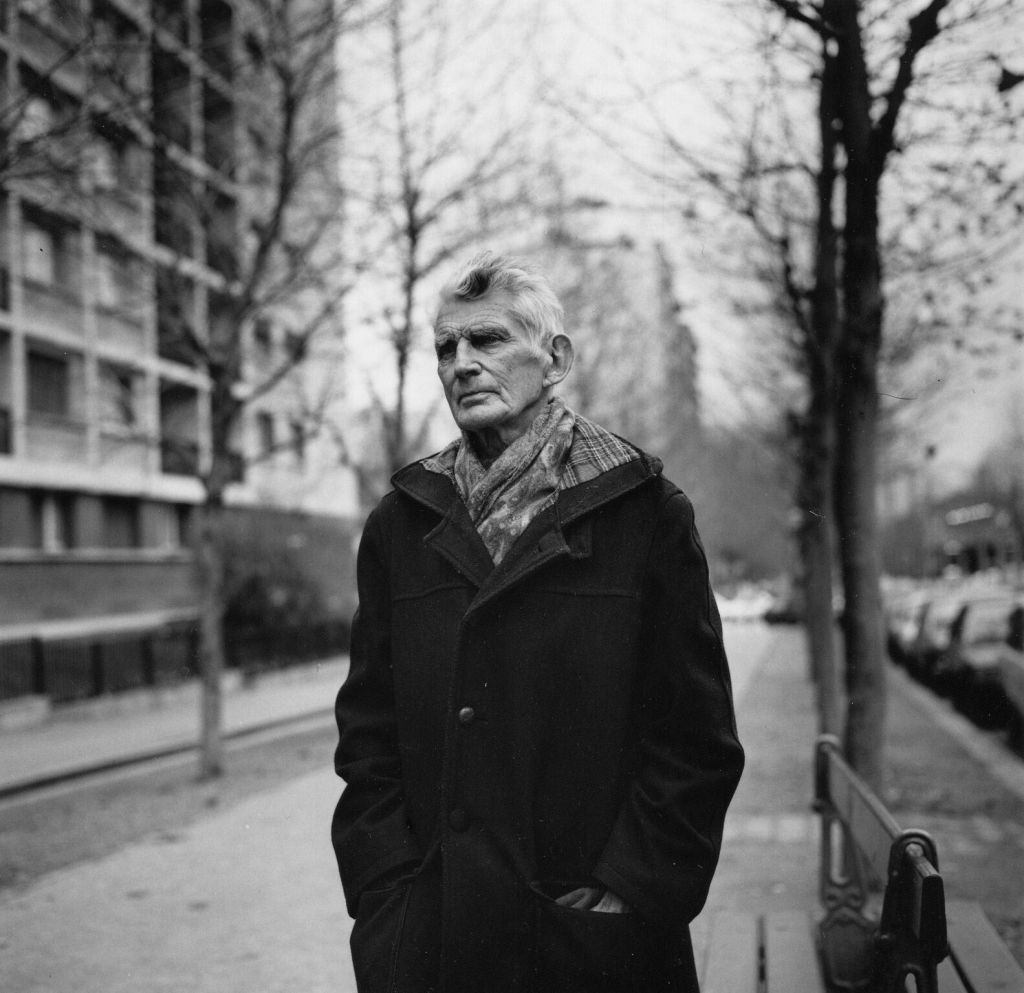
It was through one of Samuel Beckett’s early letters that I was introduced to Thomas à Kempis’ The Imitation of Christ. This deeply spiritual book changed the way I looked at myself and the world. I was drawn to its practical counsels: I would read it for assistance and aid at difficult moments, carry it with me during the day, and pack it when I travelled for conferences. While I still considered myself an atheist, this was when I started to see how the life of Christ provided a universal template for living and for peace.
My encounter with The Imitation of Christ began a more concerted period of seeking. I wanted to adopt what I found right and true and wise in the book within my non-religious, secular way of life. I read more about Zen Buddhism due to its similarities to Thomas à Kempis’ work, but also for the fact that it made no demands for belief in God.
I started reading Wittgenstein more and came across Leo Tolstoy’s The Gospel in Brief, a work that synthesises the four gospel accounts of the life of Christ while removing all traces of the supernatural or the miraculous. For a time, this provided a sense of focus and direction, but I felt that there was still something missing, some gap in my knowledge or experience that was seeking fulfilment.


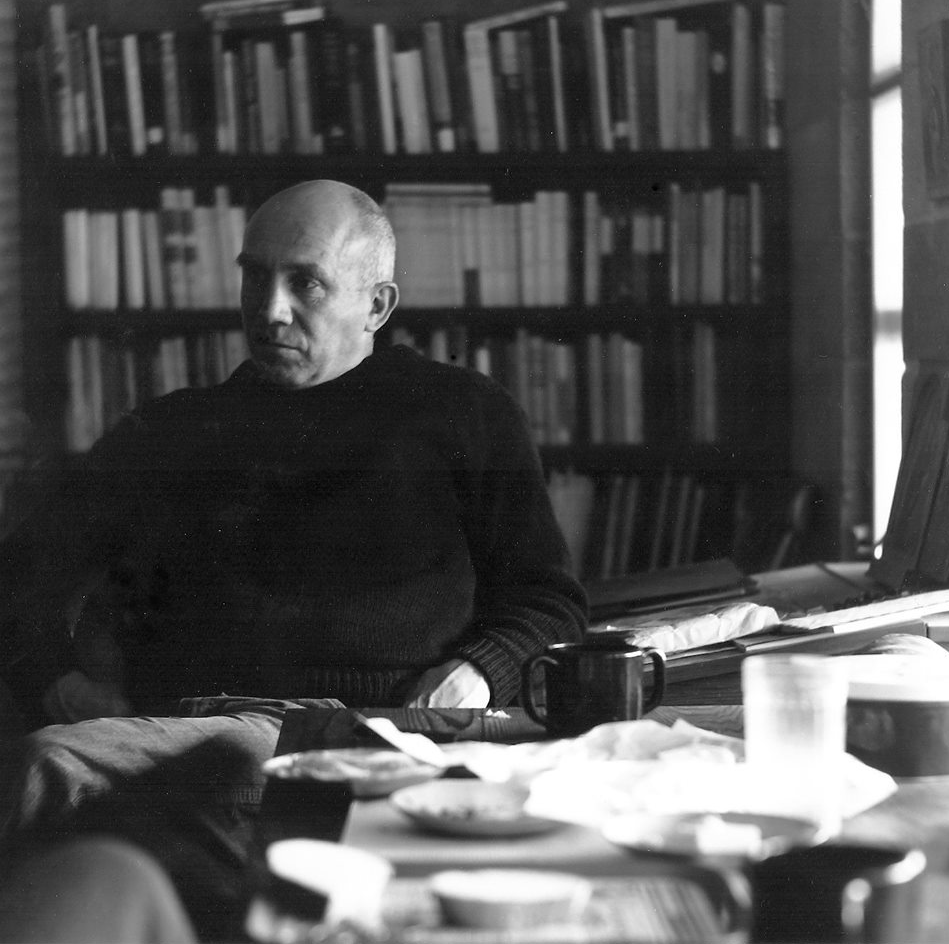

In the spring of 2017, I read Thomas Merton’s The Seven Storey Mountain. A clarifying moment. The book is a memoir of religious conversion, and offers a rich account of a young academic’s journey towards faith. It affected me profoundly. I related to Merton’s descriptions of the twentieth-century world that surrounded him, his abiding interest in literature and philosophy, and his gradual awakening to faith as an active and embodied practice.
Merton’s reverence for mystery and his enchantment with the world was something that resonated with me. I began to appreciate faith and reason as complementary, rather than opposed, and to explore how humility and grace can lead towards a richer, mystical sense of wonder at the world. The book prompted me to pay closer attention to my feelings and attitudes towards religious belief, to experiment with prayer, and to find out more about the Catholic Church.
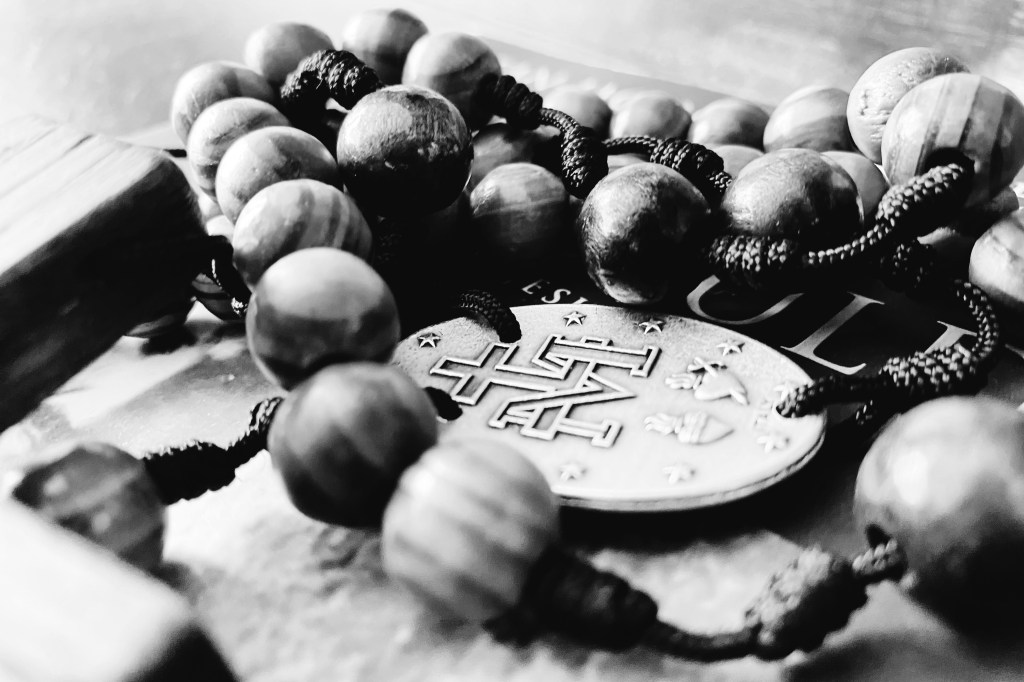
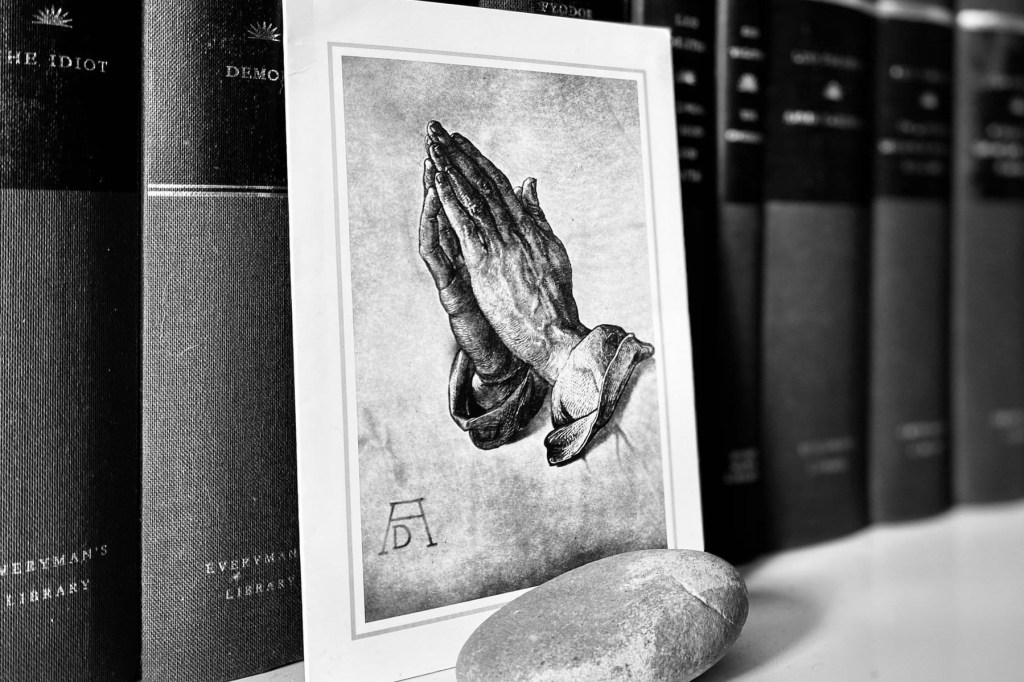


On 7 June 2017, I had a conversion experience during a routine cardiology appointment that changed my life. It was my turning point toward the Christian faith. I felt as though I was beginning my life again, from scratch. I wanted to make an effort to live according to values of simplicity, humility, and compassion for others.
I decided to leave my career in academia; started following a healthier diet; gave away most of my possessions; and I became a volunteer for local charitable organisations. I also started to look for work at a place where I could explore and deepen these practices, but also my understanding of what was happening.
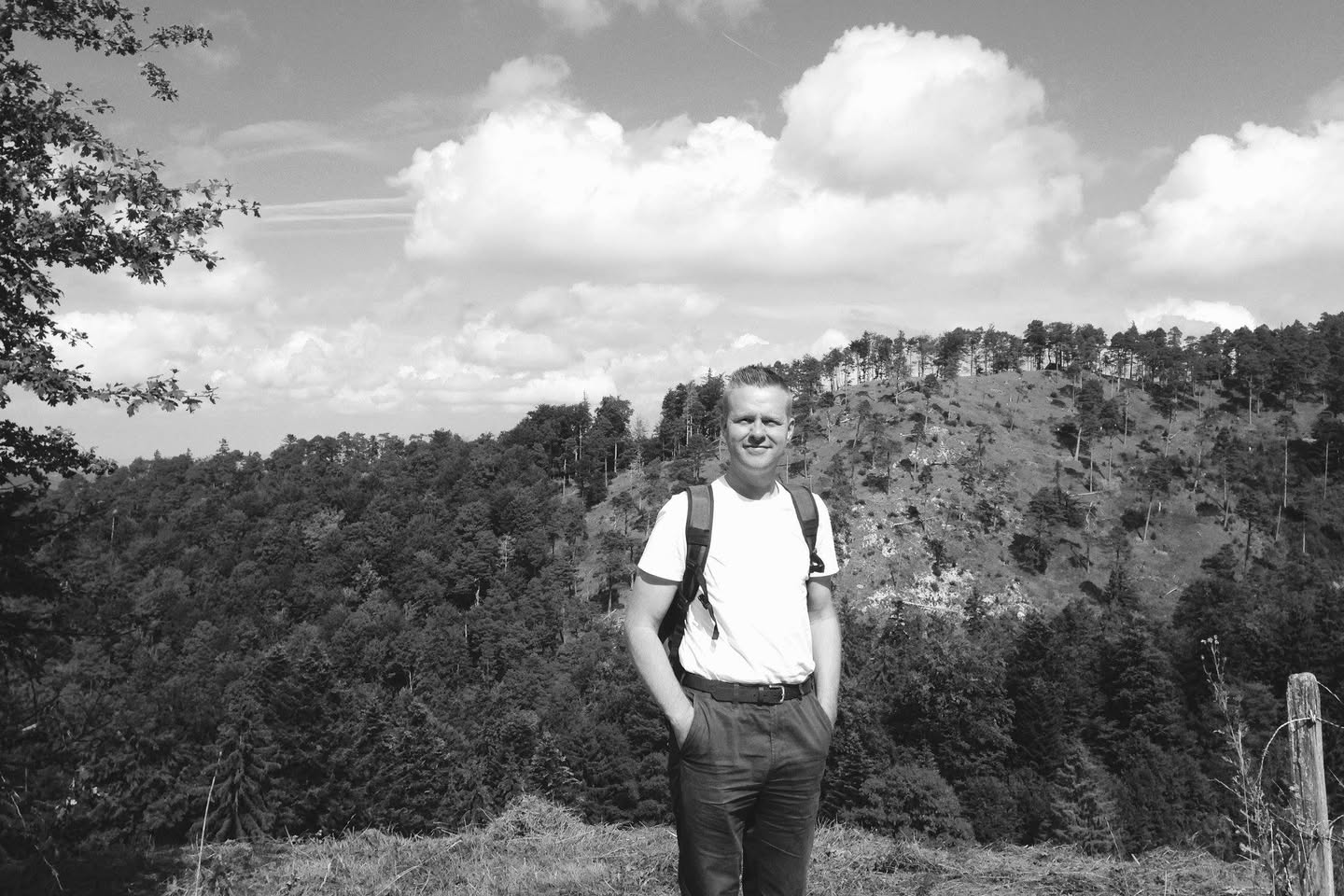
As this interior faith deepened over the next two years, I felt drawn to a more explicit and definitive commitment. Shortly after 7 June 2019, I felt drawn to living a religious life as a Christian specifically within in the Catholic Church. I applied for a job at a local Catholic college, and began a role as a pastoral tutor in December 2019. I then sought out instruction from a local parish priest, and was received into the Church on 27 September 2020.
This journey has been the most exciting and challenging thing I have ever done, and I am grateful for all of it. This year, it feels as though I am entering a new phase. I was baptised as an infant 40 years ago this year, and it is also now exactly 7 years since my journey toward the Catholic Church began. Both numbers carry biblical significance: 40 is associated with trial, testing, and preparation; while 7 is traditionally a number signalling completion. It feels like a time of transition, of new possibilities.
I look forward to seeing where this renewed faith leads me. I am moving forward with a quiet, firm hope, deeply grateful for the joy and love I encounter along the way.
This website will continue to evolve along lines in harmony with this direction. You are very much welcome to join me.
Deo gratias.
Corpus Christi, 7 June 2026.

