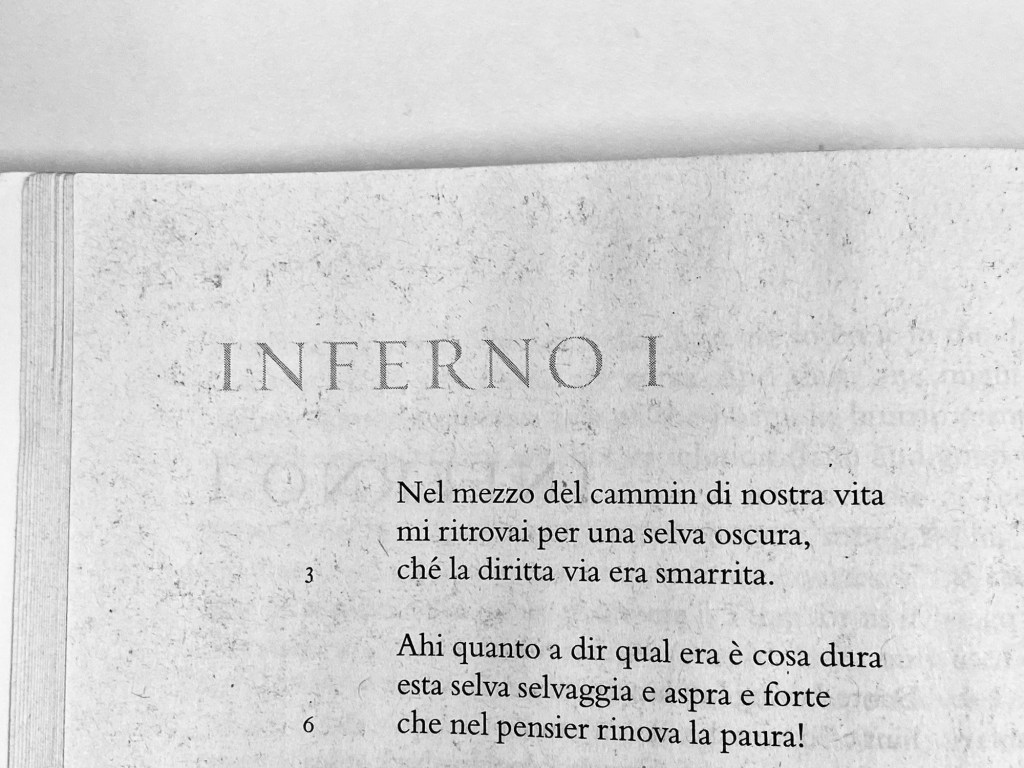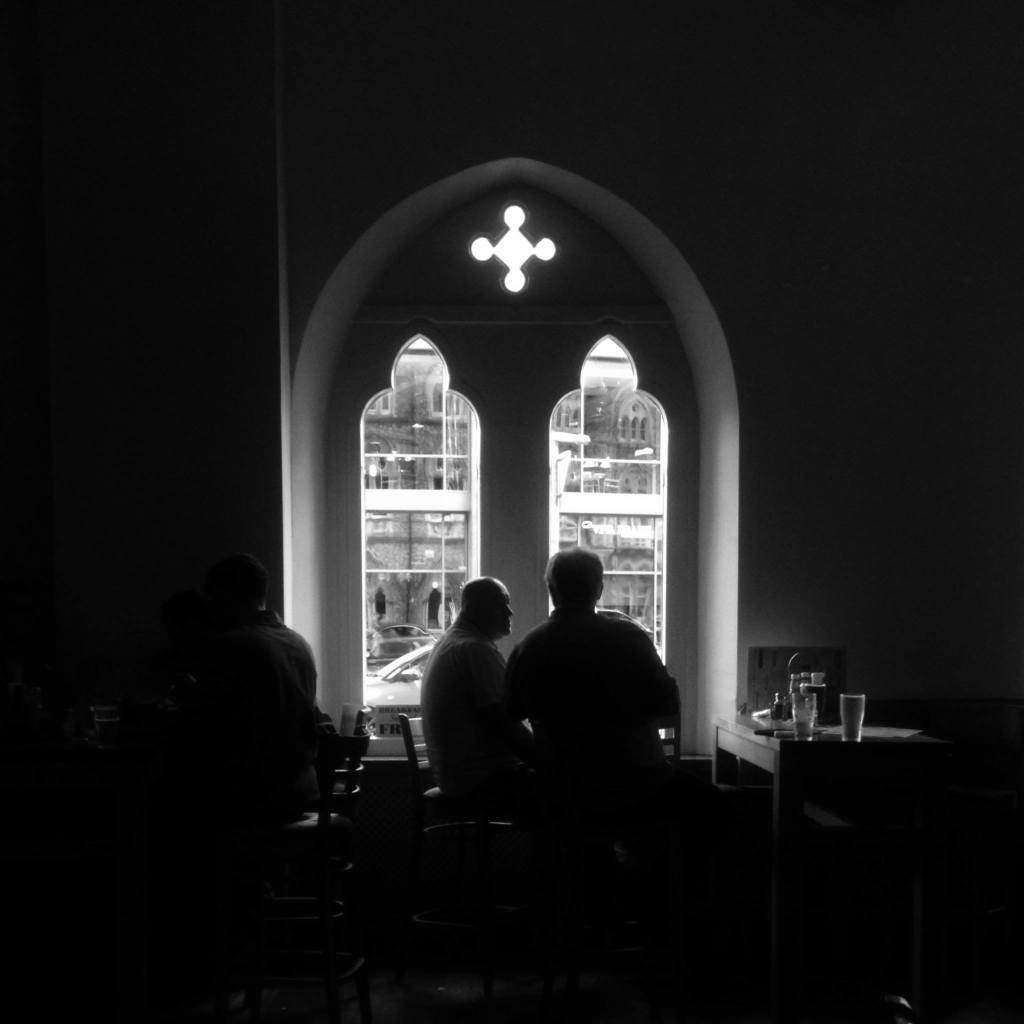
Photograph: Rhys Tranter

“The Greek word for alms, eleemosyne, comes from éleos, meaning compassion and mercy. Various circumstances have combined to change this meaning so that almsgiving is often regarded as a cold act, with no love in it. But almsgiving in the proper sense means realizing the needs of others and letting them share in one’s own goods. Who would say that there will not always be others who need help, especially spiritual help, support, consolation, fraternity, love? The world is always very poor, as far as love is concerned”

— St John Paul II, 28 March 1979

Divine Mercy Sunday. We travel to Chapter Arts Centre to see Jean-Pierre Jeunet’s Amélie (2001), which is celebrating its twenty-fifth anniversary this year. It was an important film for both of us when we were younger. Audrey Tautou’s iconic performance of the heroic and vulnerable Amélie is still a pleasure to watch, while Jeunet’s kinetic energy and rich colour palette remains the vision of Paris for every tourist. Moving, joyful, and exuberant.

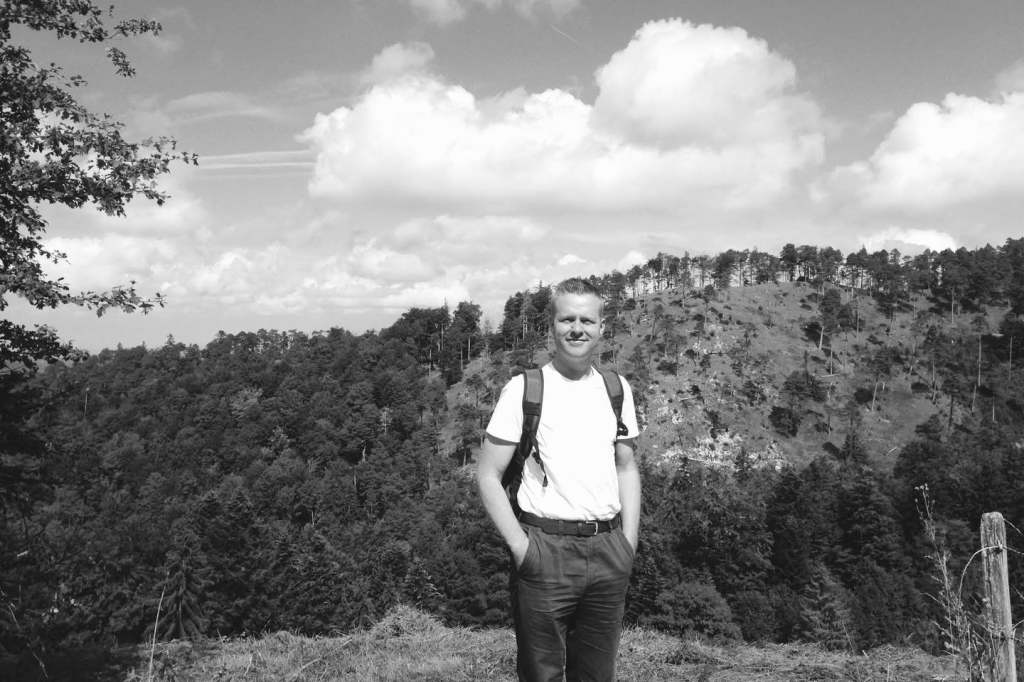
Fr John Nepil, To Heights and Unto Depths: Letters from the Colorado Trail. Photograph: Rhys Tranter

Taken from Fr John Nepil‘s To Heights and Unto Depths: Letters from the Colorado Trail:

“Creation felt symphonic Everything from the wildflowers below to the stratus clouds above spoke of order and design. The ancients had a word for this-one that would in time become intensely meaningful for Christians. They called it logos.

Some words are impossible to translate and logos is to be counted among them. Polyvalent in its essence, logos can be defined as ‘word, speech, discourse, thought, reason, and meaning’. Rooted in the verb legein (‘to gather, bind, link, or unite’), logos was employed by the Greeks to describe the unifying link of all creation. First described by Heraclitus around 500 b.c., logos was more than a principle of unity; it was the idea upon which the wise man lived. Plato would develop this intuition of logos as the mind, distinguishing it as the agent of creation that he called the demiurge. Stoic philosophers such as Cleante and Seneca saw in it the harmony of the universe, governed by the divine spirit. And at the end of the pre-Christian era, the great Jewish philosopher Philo would see the logos as the first power emanating from God, calling it ‘the bond of the universe’.”

“[I am] God’s little artist, a seer of strange beauties, a teller of harmonies, a diligent worker,” writes Gwen John, inspired by the example of St Thérèse of Lisieux’s Little Flower. “Strange Beauties” is a retrospective of the Welsh painter’s work and personal writings currently on exhibition at the National Museum Cardiff. A rare and privileged glimpse into a life where creativity and contemplation meet.

Photograph: Rhys Tranter

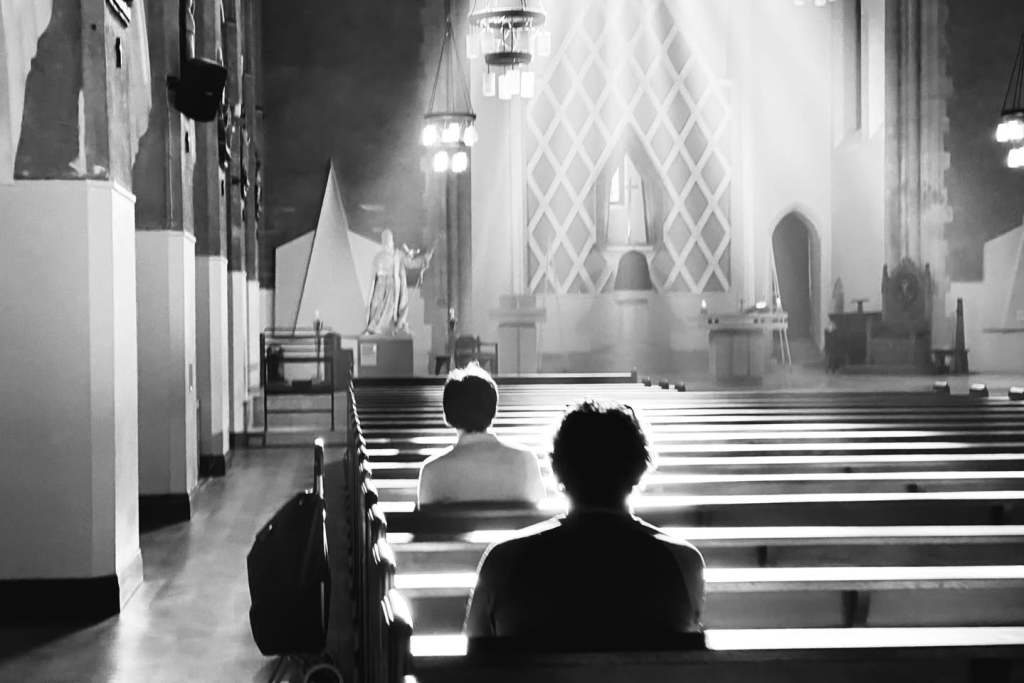
This week I had the joy of taking a group of students to the University of Oxford open day. In a few quiet moments, I had an opportunity to pray at the Oxford Oratory on Woodstock Road.

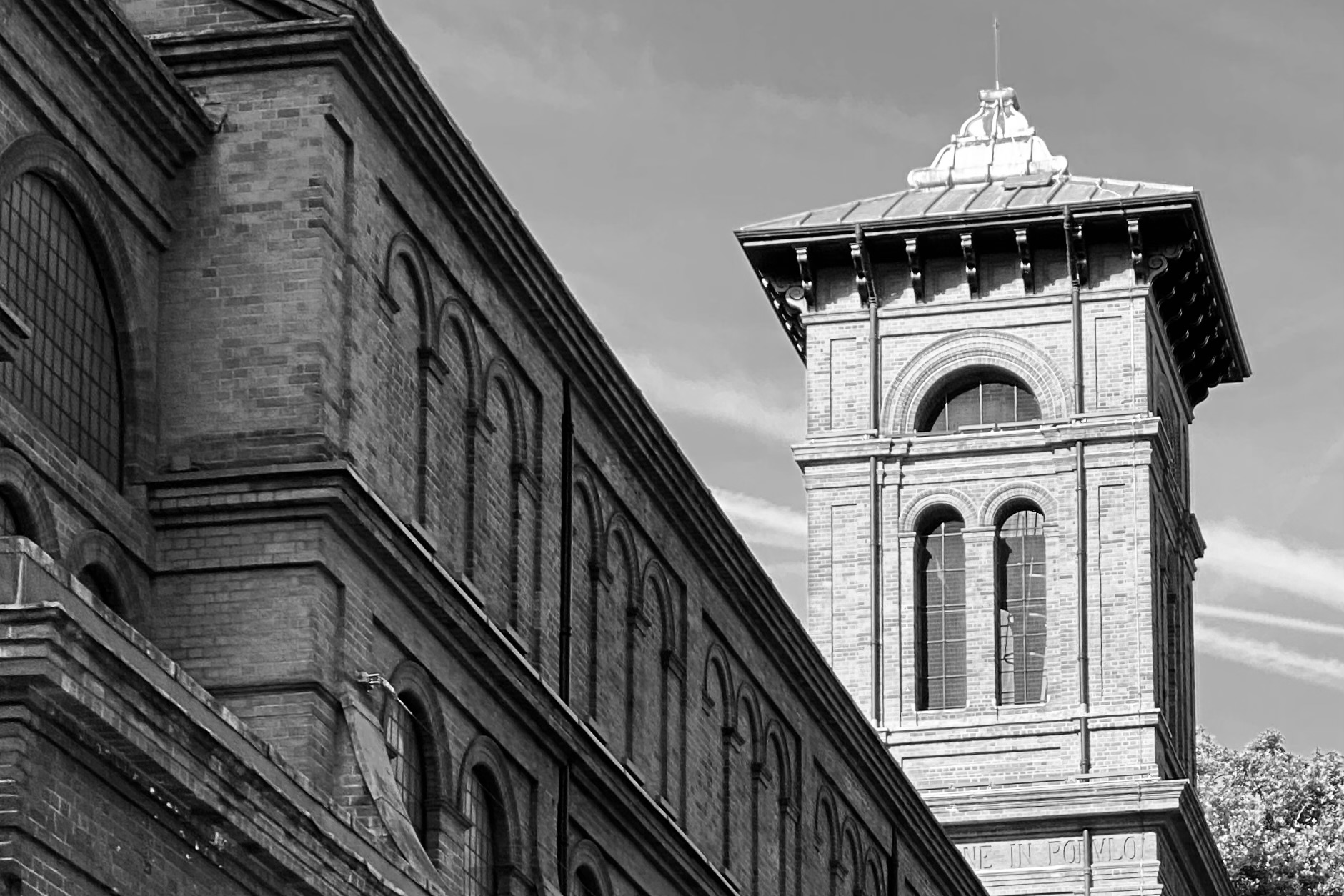
“This church has played a part in the life of many prominent Oxford Catholics. The Jesuit priest and poet Gerald Manley Hopkins served as a curate here. The Newman Society, Oxford University’s oldest student association, was founded here in 1878 (then named ‘the Catholic Club’). Margaret Fletcher founded the Catholics Women’s League here in 1905. J.R.R. Tolkien attended daily Mass here, and the church’s dedication almost certainly inspired Evelyn Waugh when writing Brideshead Revisited.”

Source: oxfordoratory.org.uk

In a November entry of The Genesee Diary, Henri Nouwen reflects on the writing and spirituality of Brother Lawrence:

“To live a spiritual life is to live in the presence of God. This very straightforward truth was brought home to me forcefully by Brother Lawrence, a French Carmelite brother who lived in the seventeenth century. The book The Practice of the Presence of God contains four conversations with Brother Lawrence and fifteen letters by him.

He writes: ‘It is not necessary for being with God to be always at church. We may make an oratory of our heart wherein to retire from time to time to converse with him in meekness, humility, and love. Everyone is capable of such familiar conversation with God, some more, some less. He knows what we can do. Let us begin, then. Perhaps he expects but one generous resolution on our part. Have courage.’

‘I know that for the right practice of it [the presence of God] the heart must be empty of all other things, because God will possess the heart alone; and as he cannot possess it alone without emptying it of all besides, so neither can he act there, and do in it what pleases, unless it be left vacant to him.’

Brother Lawrence’s message, in all its simplicity, is very profound. For him who has become close to God, all is one. Only God counts, and in God all people and all things are embraced with love. To live in the presence of God, however, is to live with purity of heart, with simple-mindedness and with total acceptance of his will. That, indeed, demands a choice, a decision, and great courage. It is a sign of true holiness.”

Henri Nouwen, The Genesee Diary