“Mary arose and went with haste” — Luke 7:39

In July and August, I accompanied the Archdiocese of Cardiff and the Diocese of Menevia on a two-week pilgrimage to World Youth Day in Lisbon, Portugal. I acted as one of the Team Leaders joining over fifty other pilgrims on the journey, including Archbishop Mark O’Toole and five young pilgrims from St David’s Catholic Sixth Form College in Cardiff.

The first week was spent in the Diocese of Porto, exploring the rich cultural history and life of the Church from our local accommodation in the town of Aguda. Our second week was spent in Fàtima, where we visited key historical sites and welcomed Pope Francis to a public prayer service before the Shrine. The trip culminated in World Youth Day itself, a major event that hosted around 1.5 million pilgrims to a communal all-night vigil and Mass.

The pilgrimage was one of the most personally and professionally satisfying events of my life and career. I moderated a Q&A between pilgrims and the Archbishop where a range of challenging topics were discussed with patience, openness and nuance; and it was a privilege to lead an Examen in a Chapel of Reconciliation in Fátima itself. The places and people we encountered helped to broaden and deepen my understanding of the universal Church; the happy and excited atmosphere of some of the events was like nothing I have experienced before; and it was a joy and a reward to spend time building so many meaningful relationships with my fellow pilgrims. I will be forever grateful for this opportunity, and the many graces it has afforded.

Here are a few images from the trip.

(more…)

“All important things in life are simple.” — Arvo Pärt

In July, Jenn and I travelled to Estonia to visit the Arvo Pärt Centre in Laulasmaa. Pärt is the most-performed living composer in the world, and his life and work played a key role in the development of my faith. We even saw Arvo Pärt and his wife Nora shopping at their local village supermarket! Included here are some images from our day, although we did not take any photographs of or approach the Pärts out of respect for their privacy.

(more…)

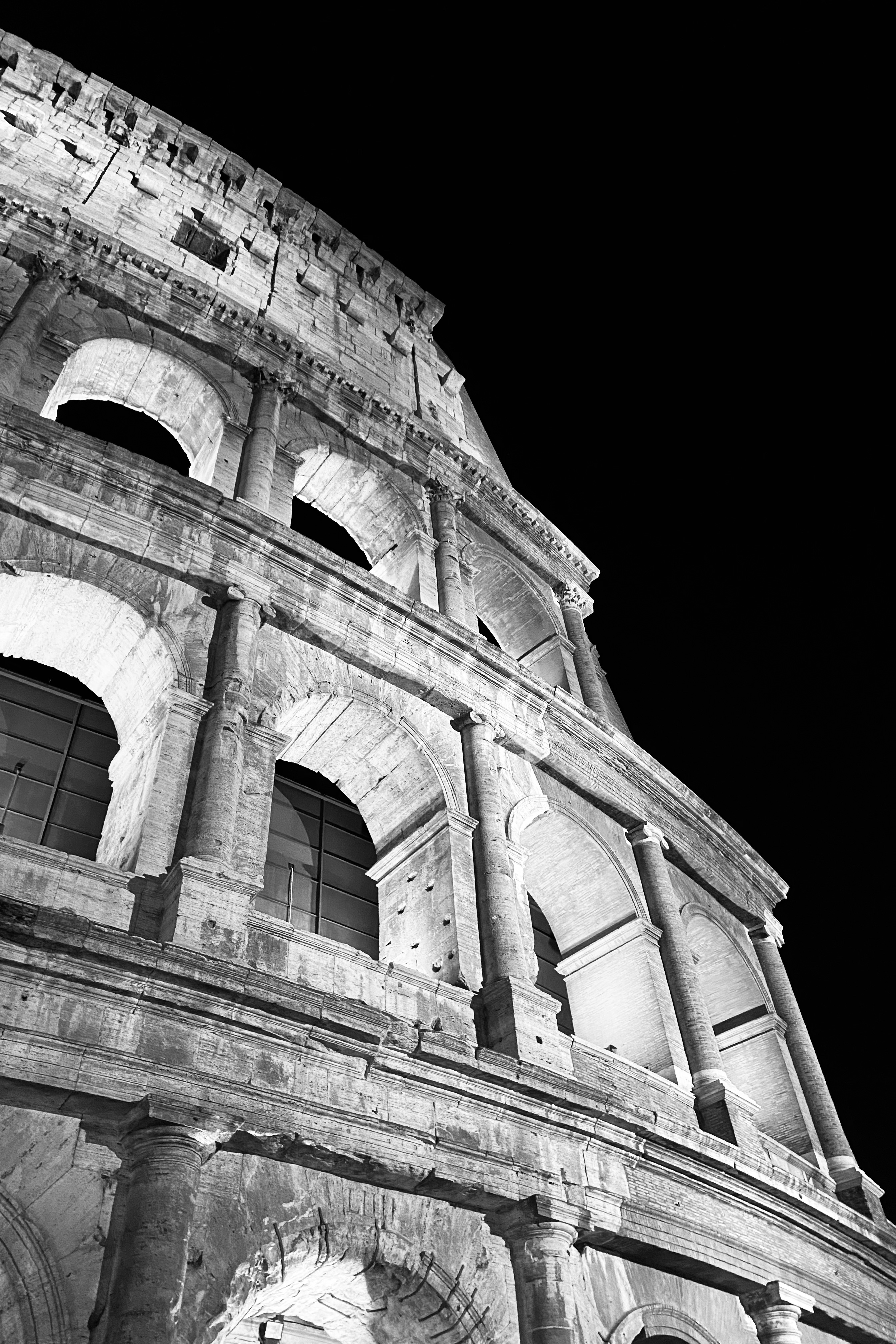
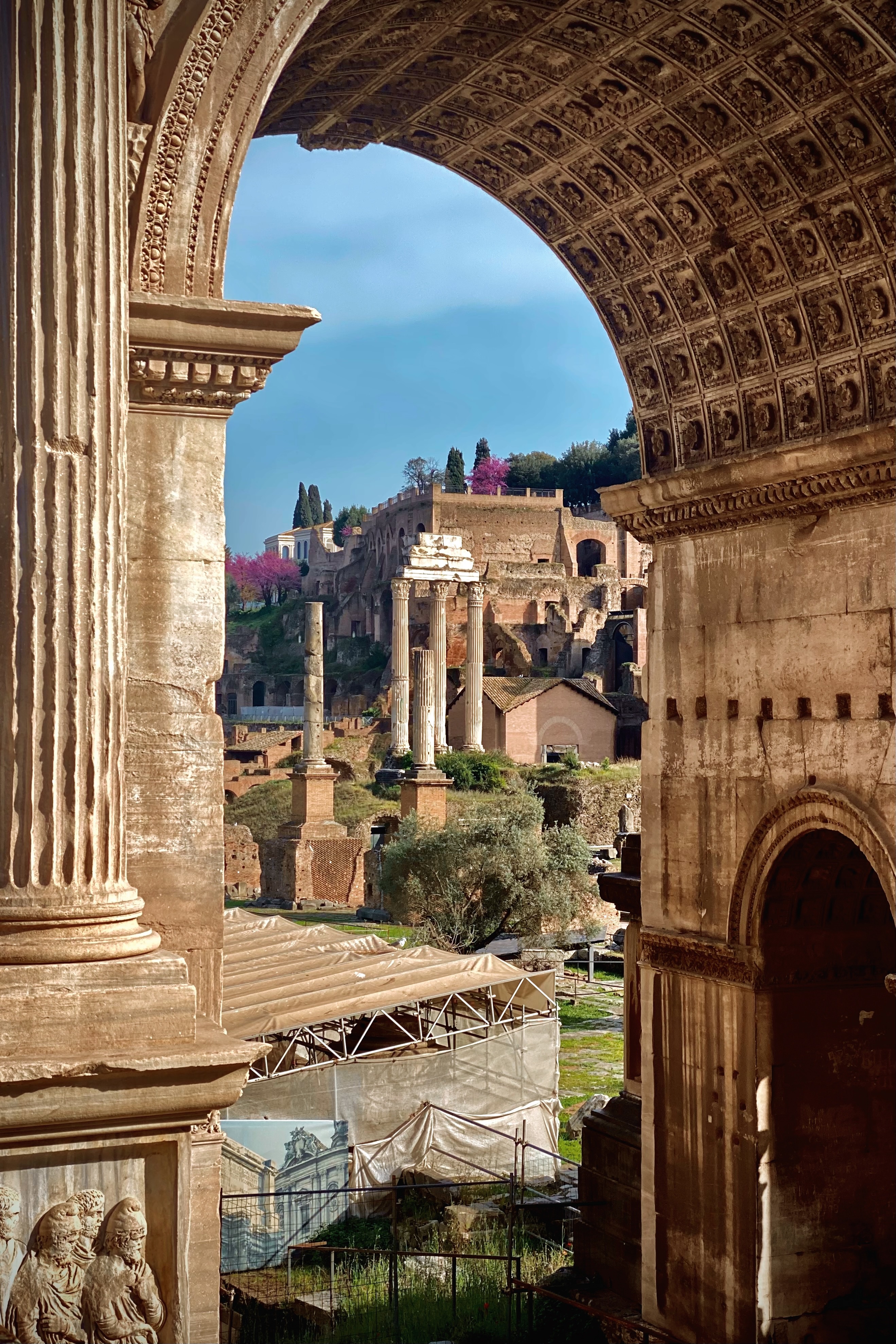
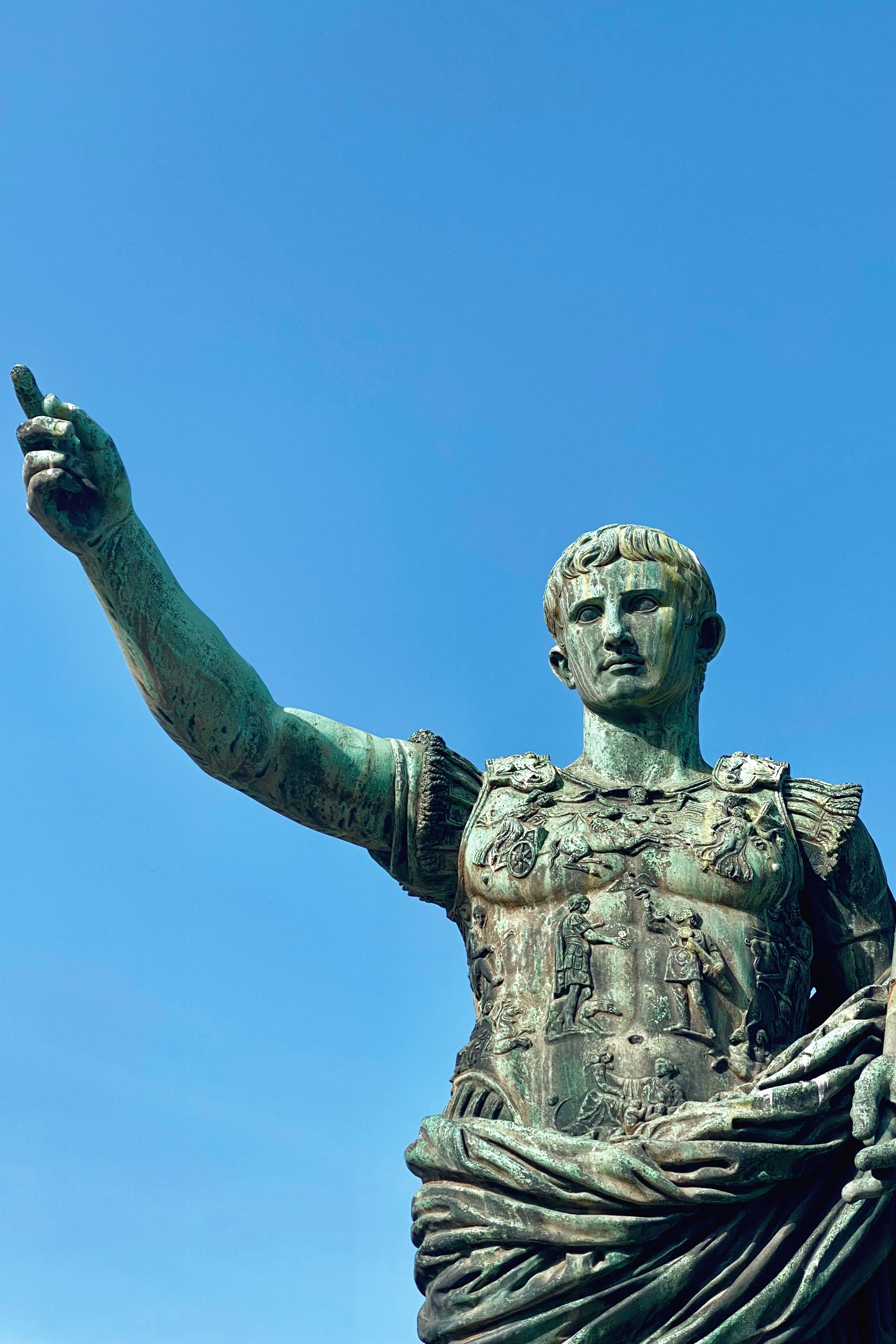
This Easter my wife and I travelled to Rome. What follows is a simple journal that records some of the things that we did, with a selection of photographs from each day.

Good Friday

After sunset on Good Friday, we attend the Way of the Cross (Via Crucis) at the Roman Colosseum, which comprises prayers from fifteen families who have encountered suffering and loss in profound ways. We see Pope Francis seated above the procession, and at the end of the traditional fourteen stations he bestows an Apostolic Blessing on the gathering. An incredibly moving experience.

(more…)

In A Hidden Life: Telling the Story of Saints, Mark Cooprider offers an accessible analysis of Terrence Malick‘s 2019 biopic of the Austrian conscientious objector St Franz Jägerstätter—executed in 1943 for his refusal to swear allegiance to National Socialism. Cooprider explores how Malick’s poetic narrative encompasses conventions of history, biography, myth, and legend, in ways akin to ancient Christian hagiography.

Note: Viewers interested in these connections may also seek out the work of academic Joel Mayward, for whom Malick’s distinctive approach to cinema can itself be considered a form of theology (or ‘theocinematics’).

Reading Butler’s Lives of the Saints, I come across a passage on St Pambo, an Egyptian monk (c.390) thought to be a disciple of St Antony. I was struck by the following passage:

“His life was typical of the desert monks: hard manual labour, long fasts and physical penance, and sustained periods of prayer. Pambo was especially noted for his silence and a reluctance to speak any more than was necessary, seeing in control of the tongue a basic first step towards a deeper spirituality; he is said to have meditated on this verse from the Psalms for six months: ‘I will watch how I behave, and not let my tongue lead me into sin’ (Ps. 39:1). On the other hand, he had a broader outlook than many of his colleagues in the desert and did not believe their way of life was necessarily the best; he settled an argument between to monks as to which was more perfect, becoming a monk or staying in the world and doing works of mercy, by saying: ‘Before God both are perfect. There are other roads to perfection besides being a monk.'” (18 July, Butler’s Lives of the Saints)