

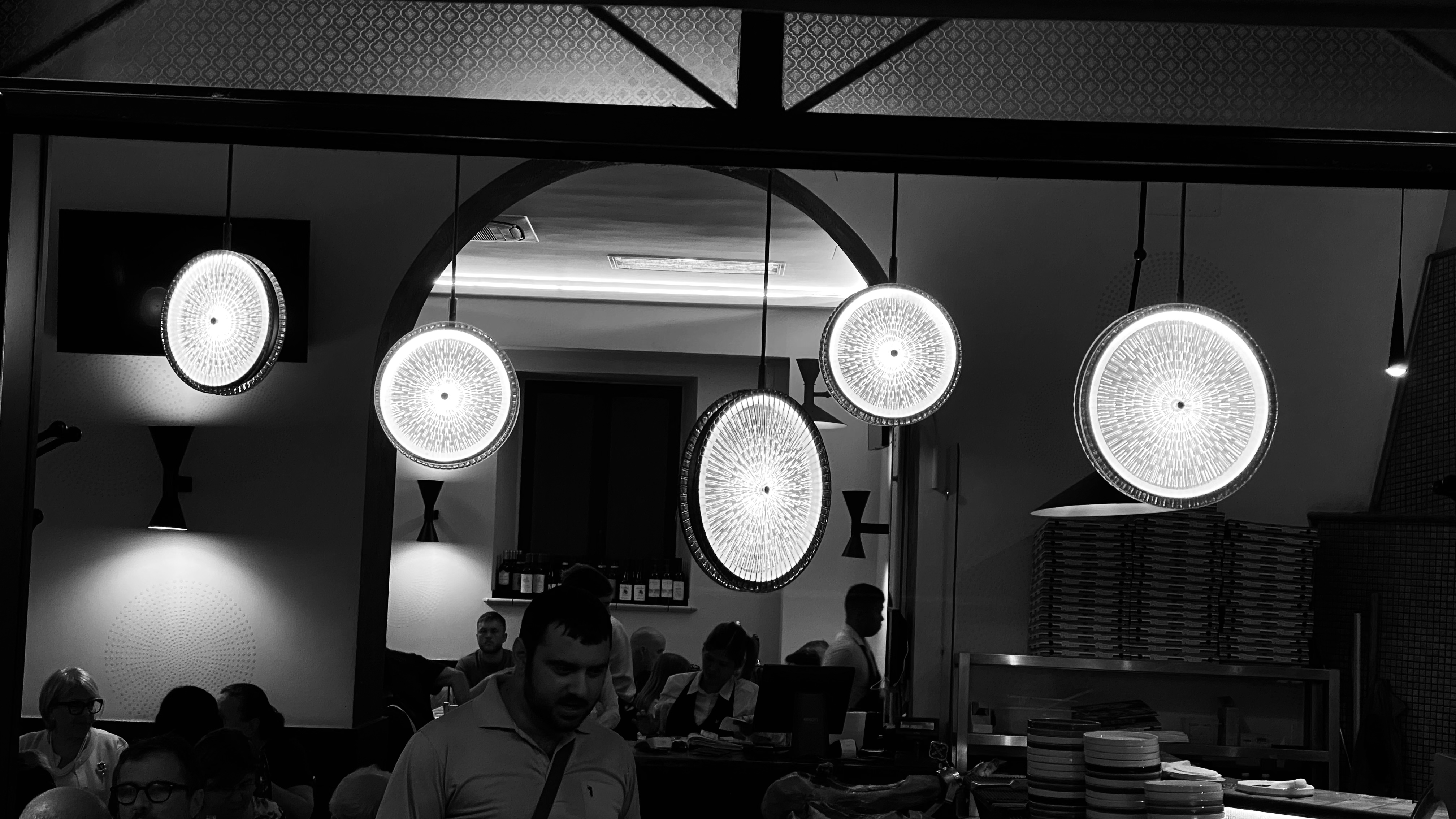


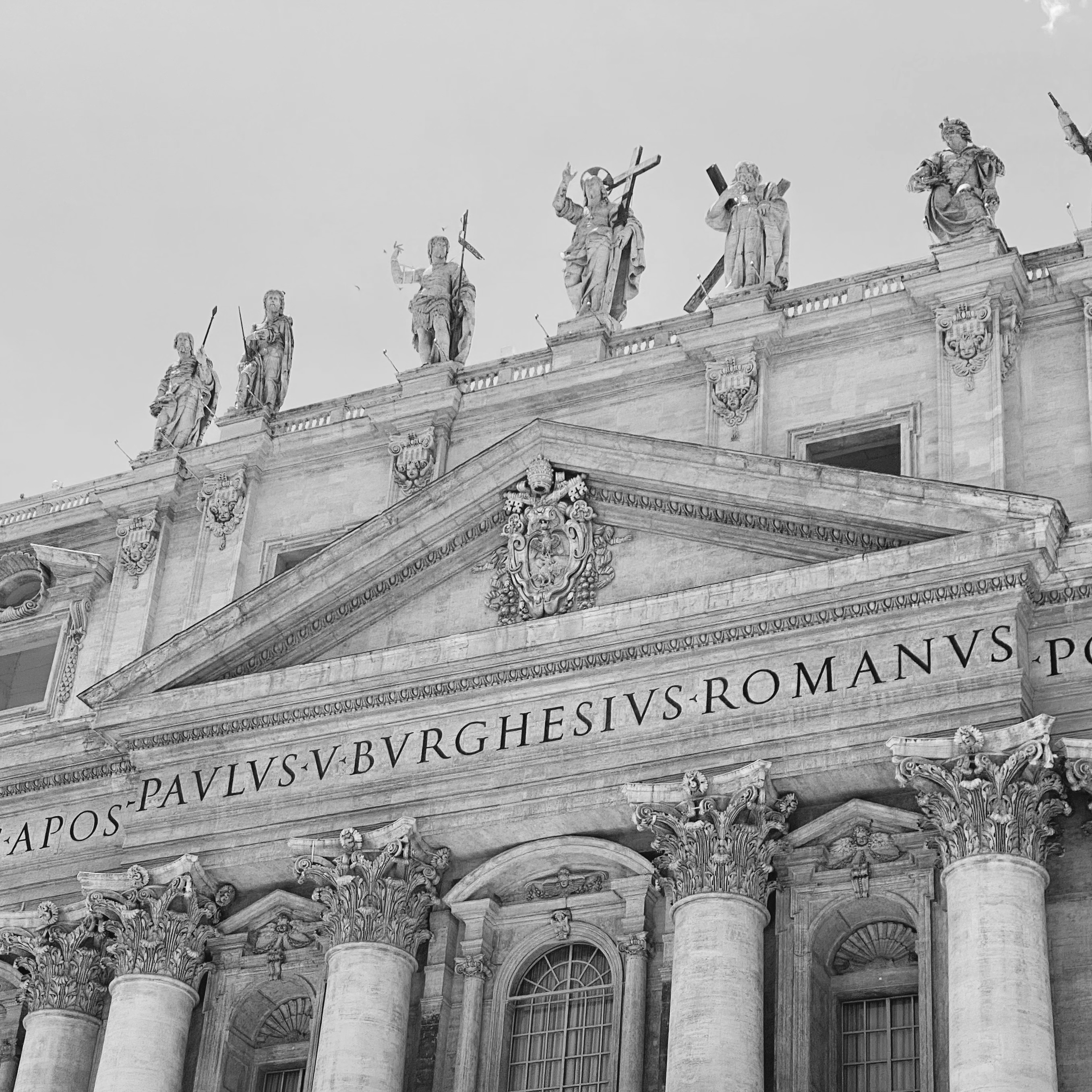
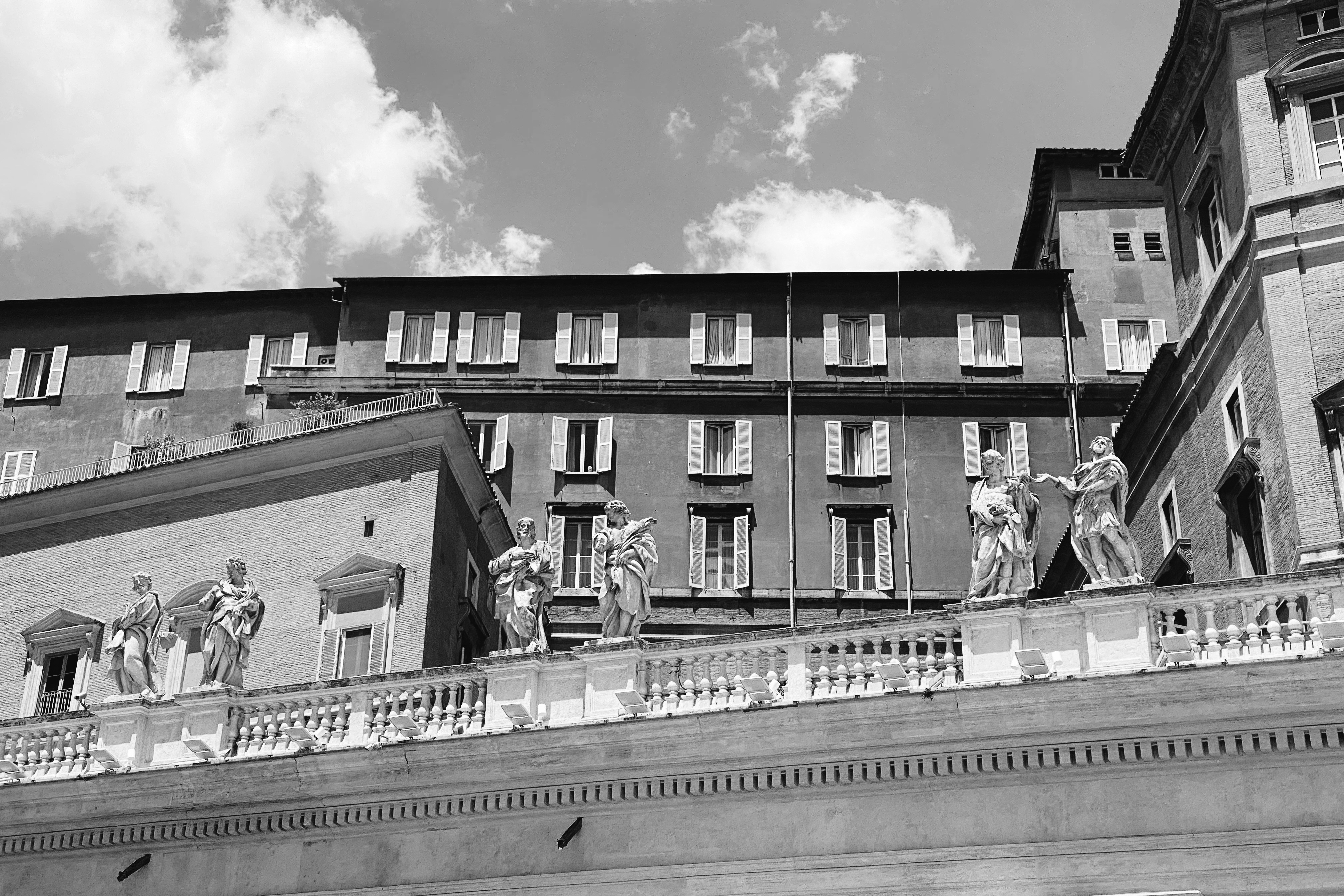
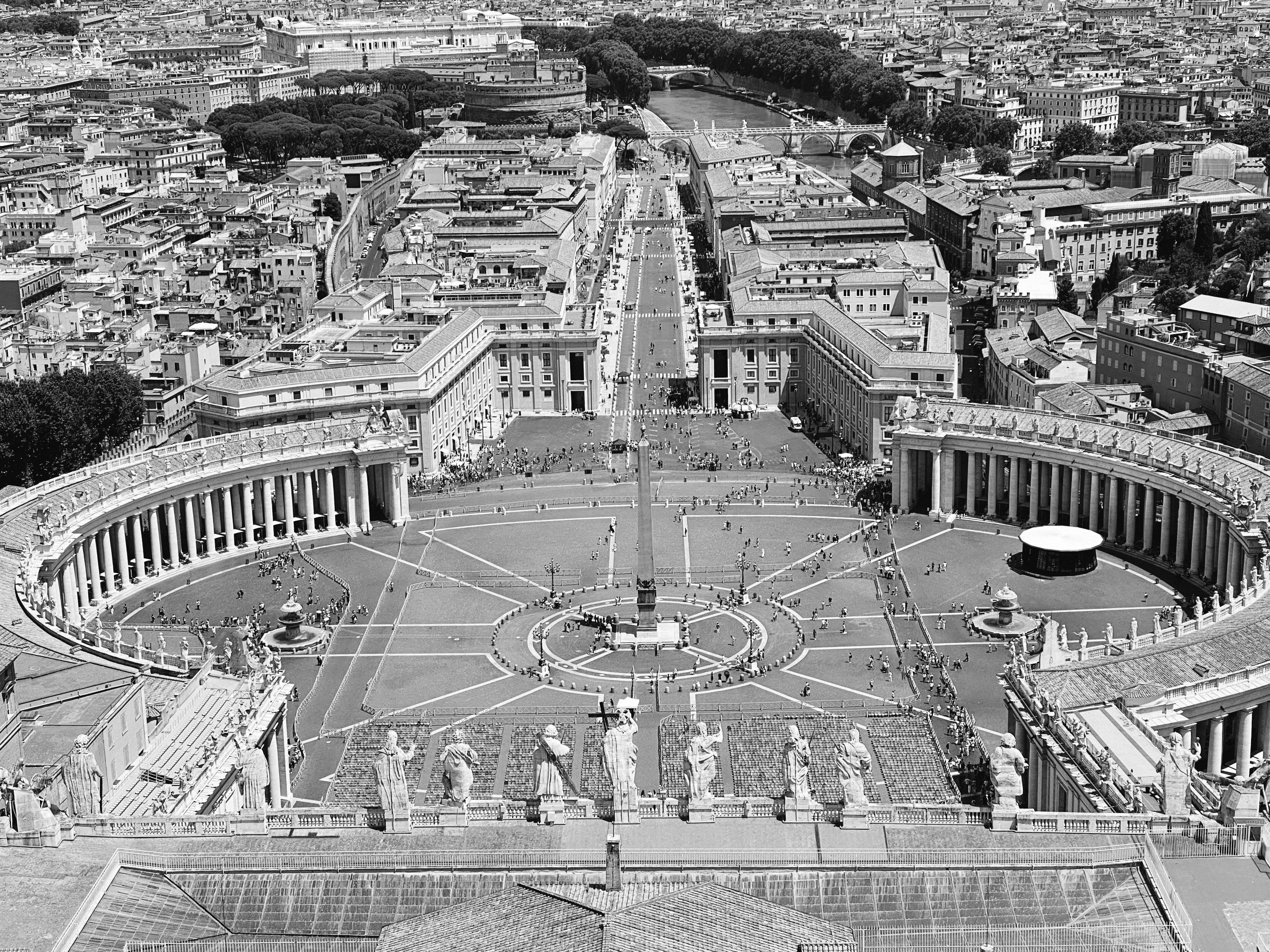
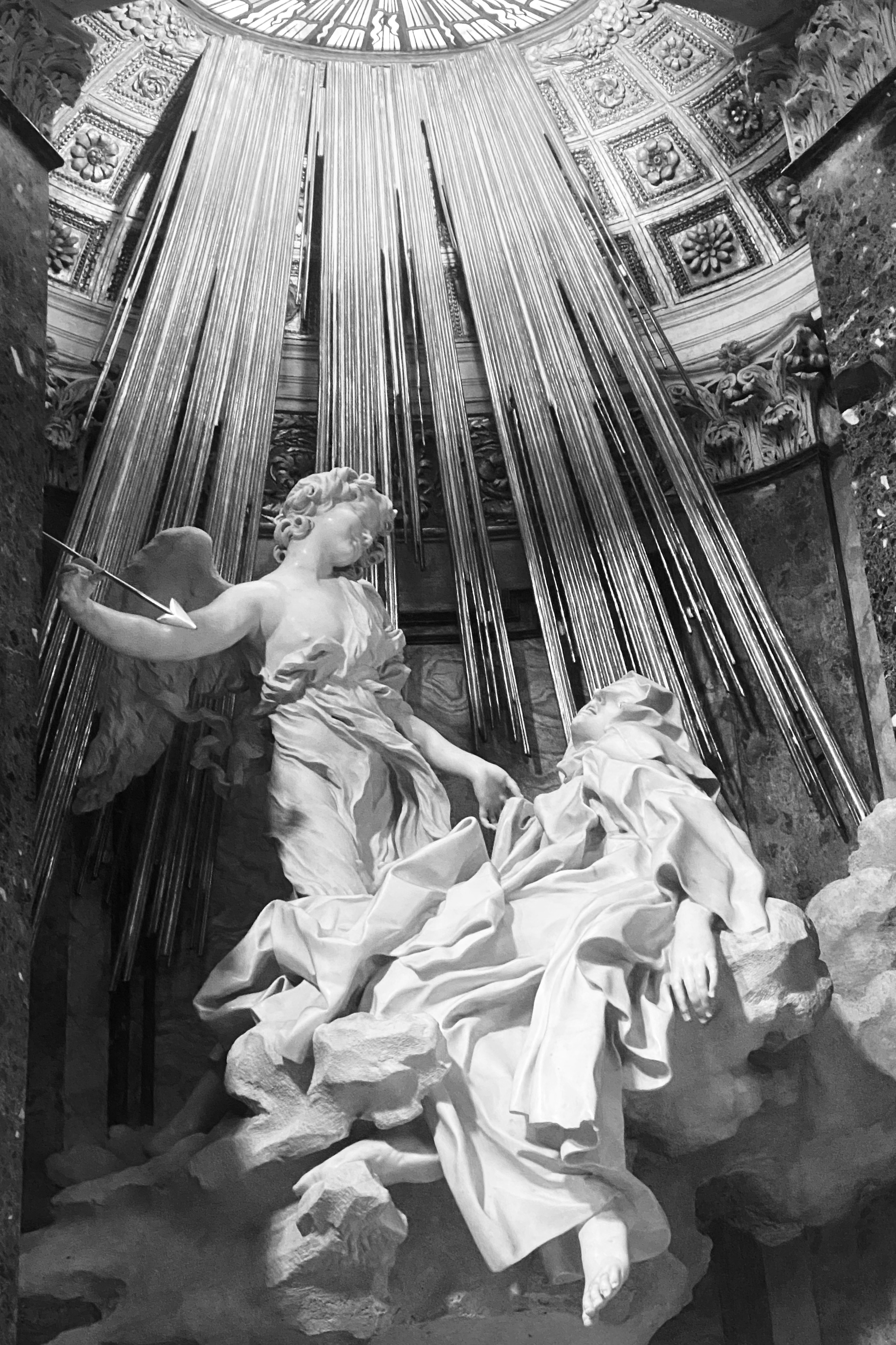
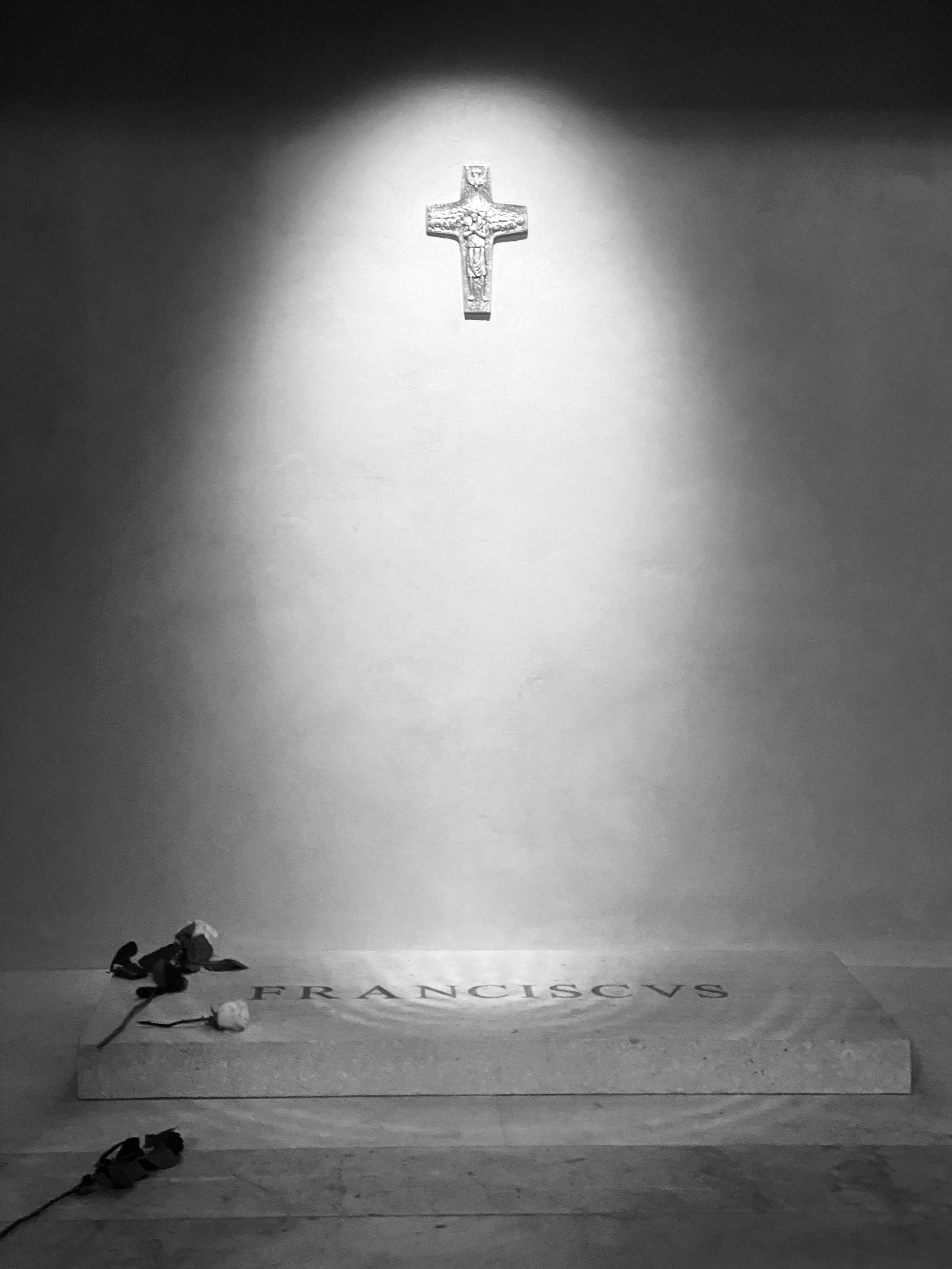
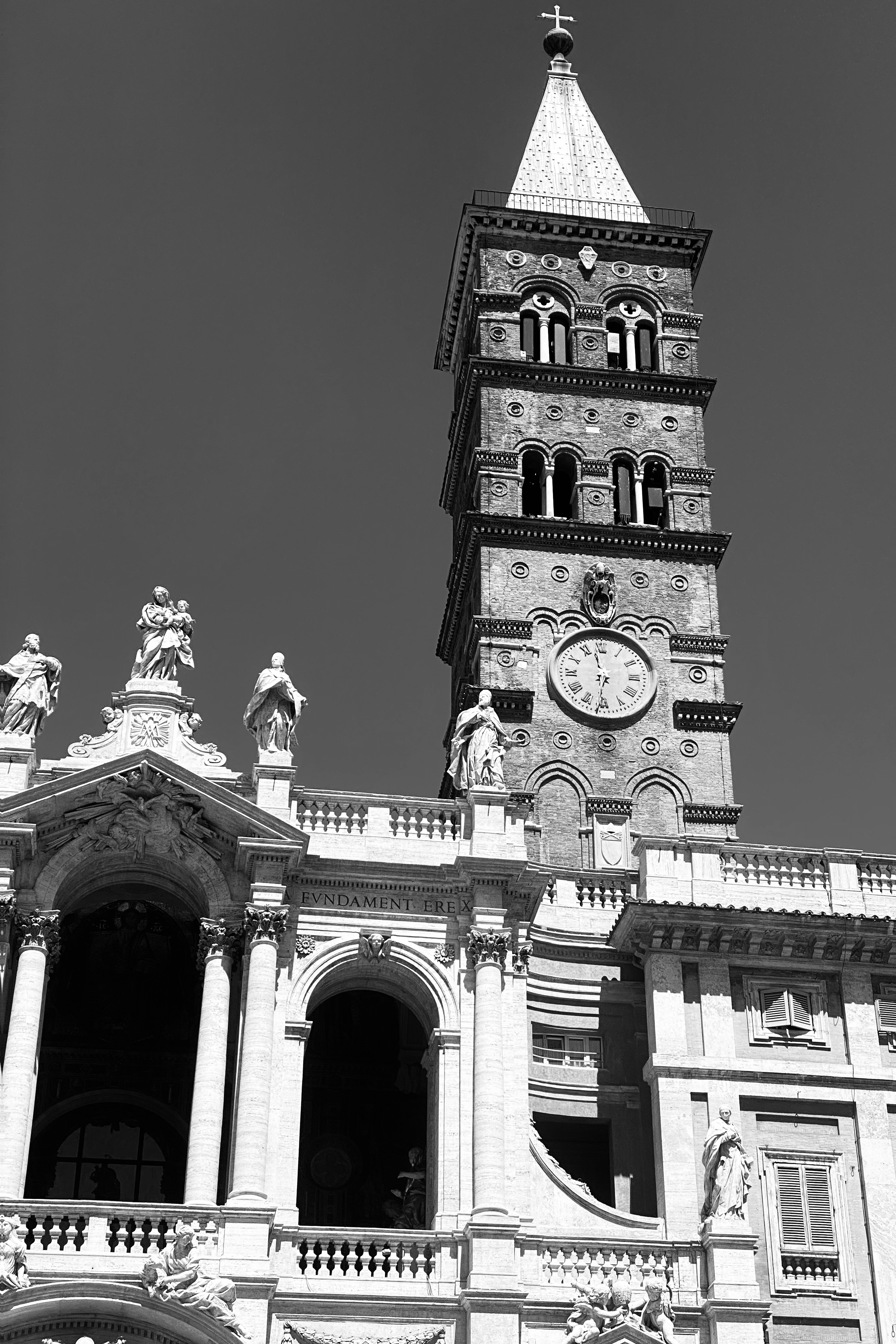
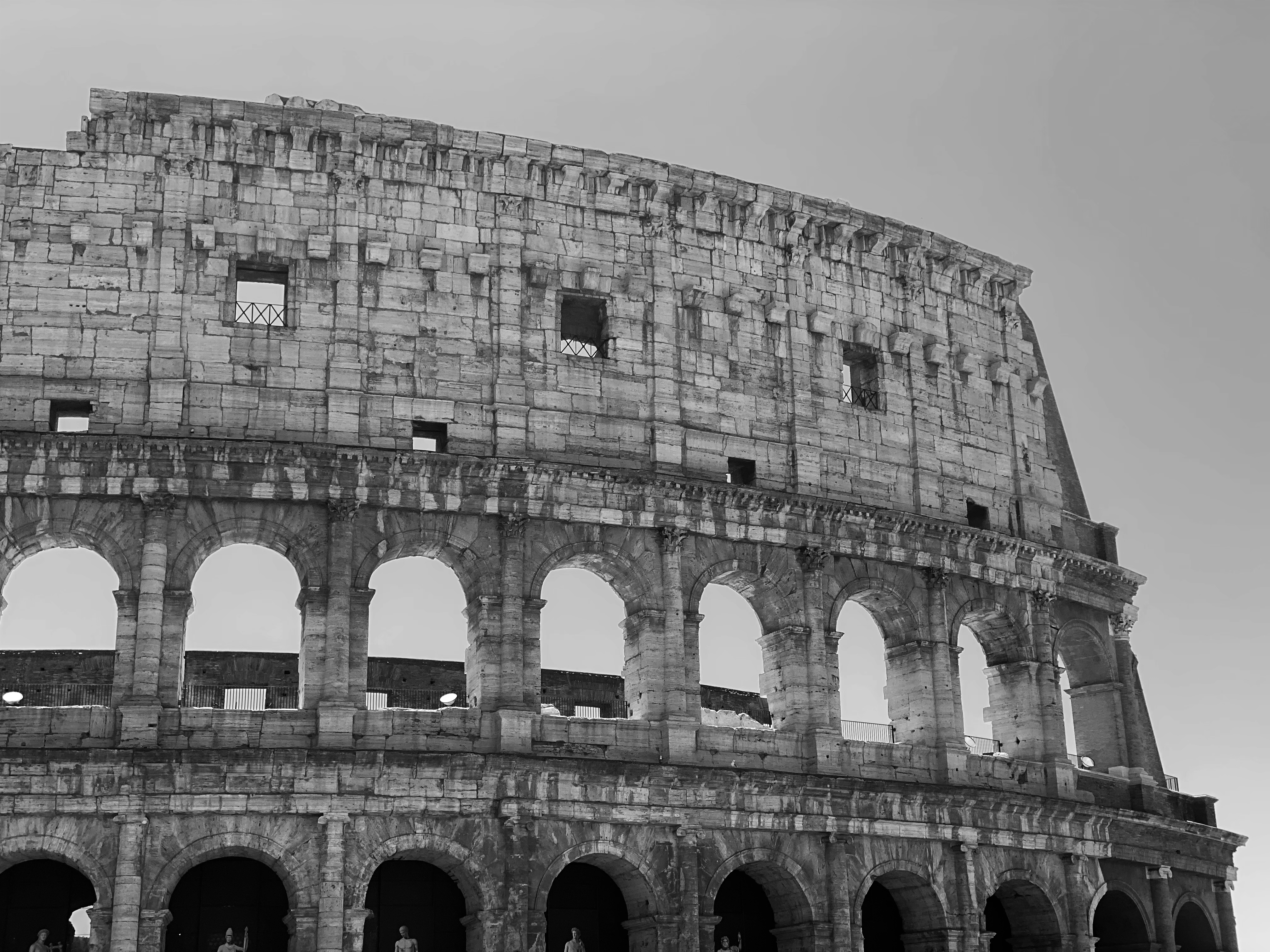
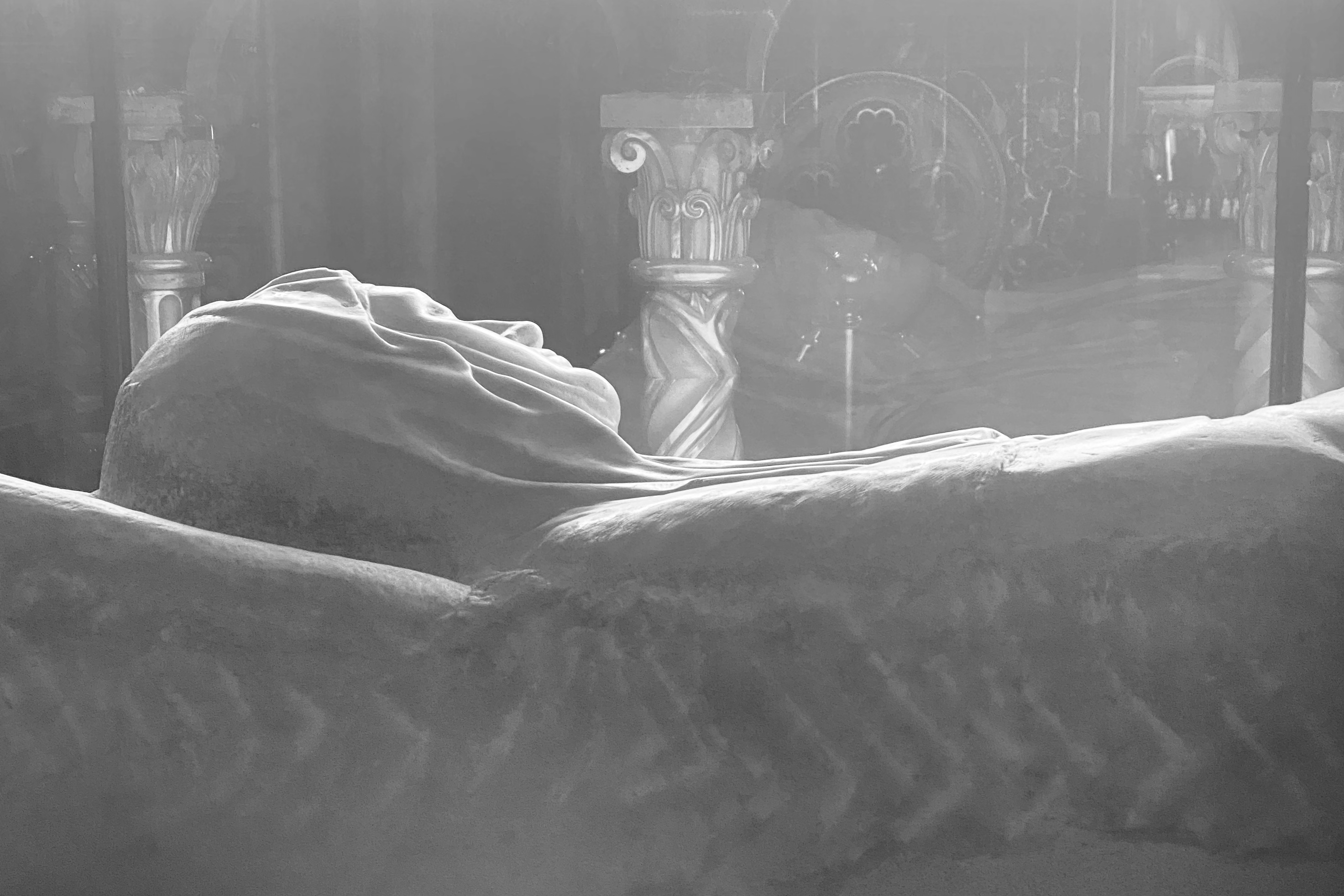
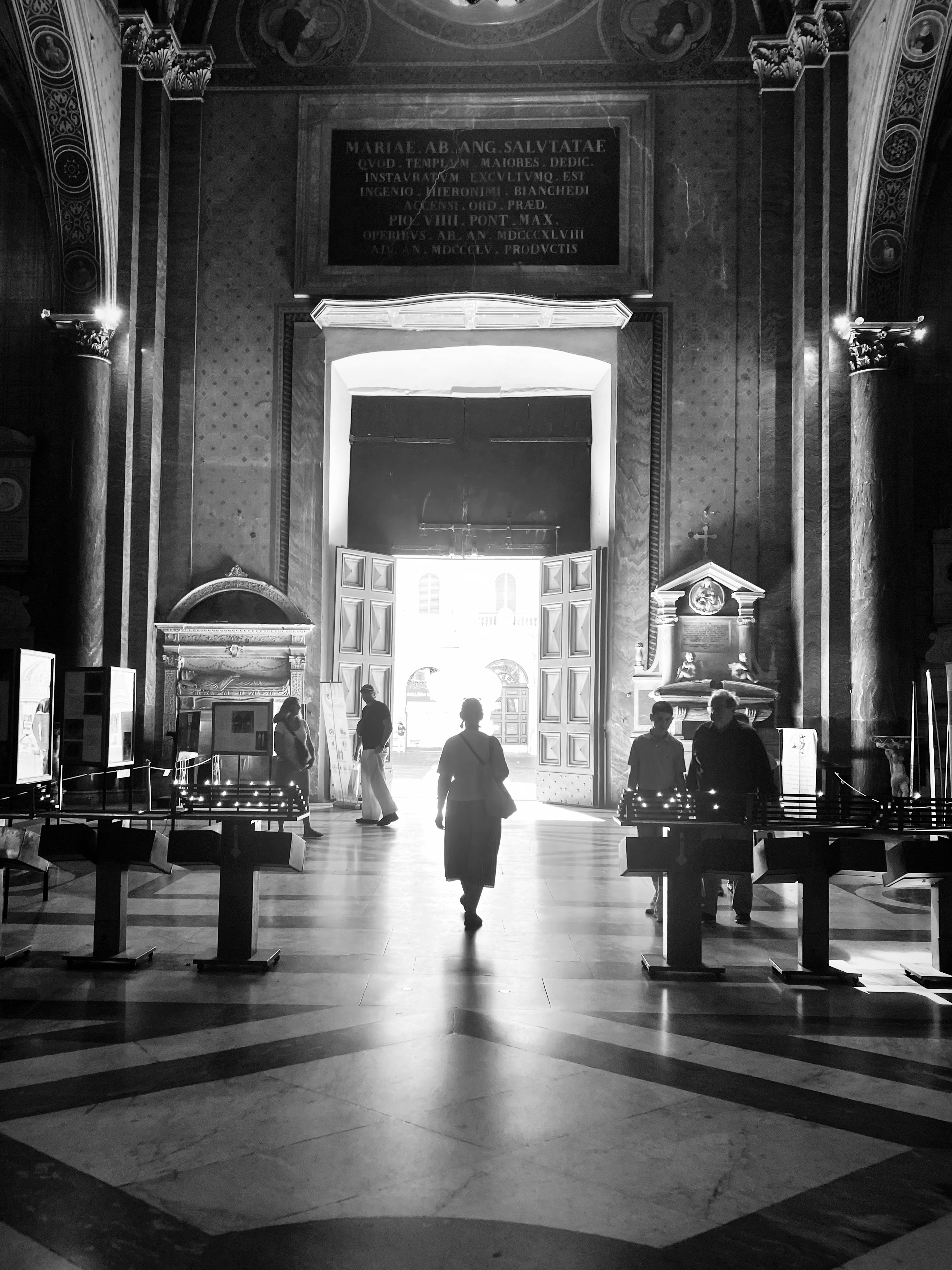

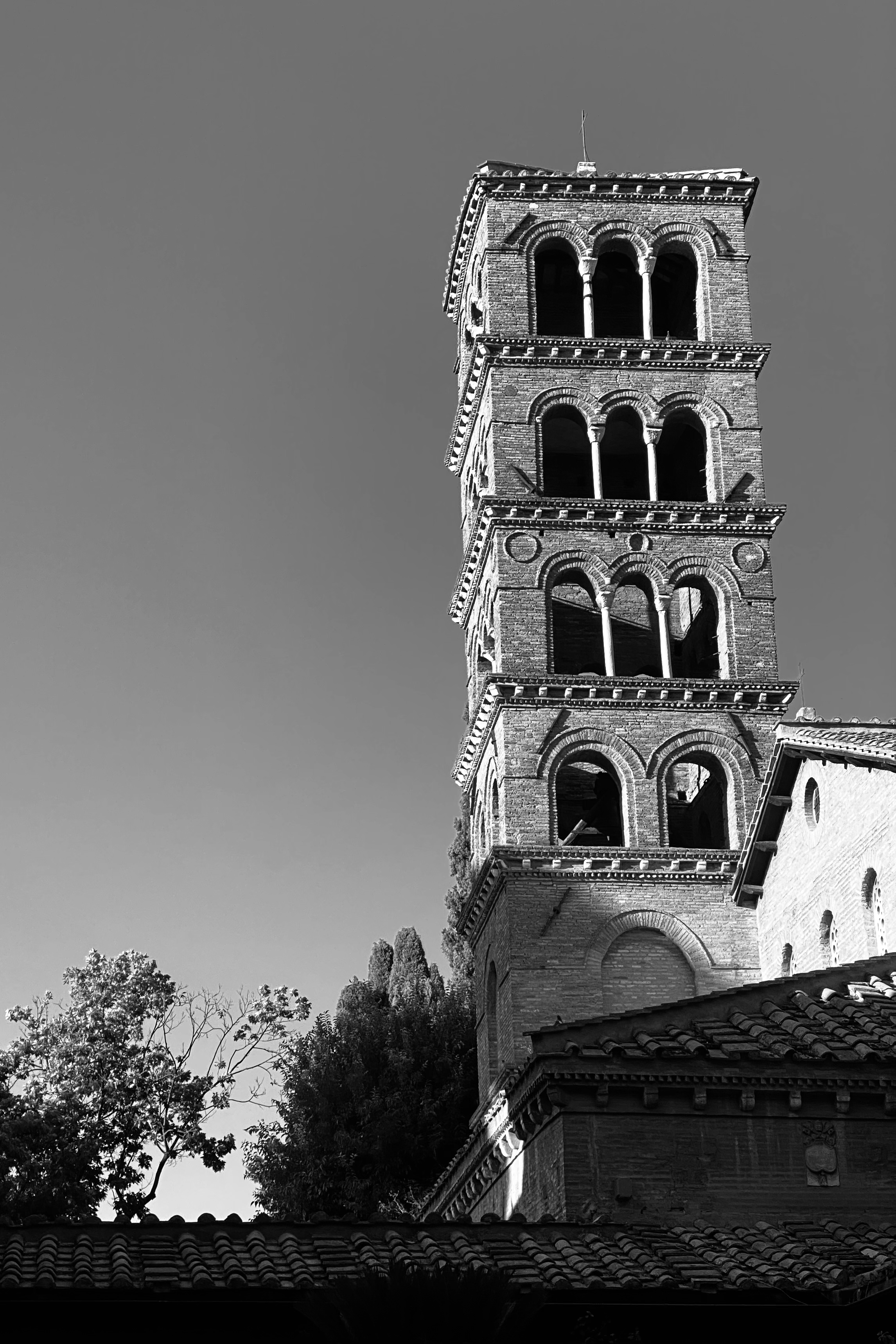


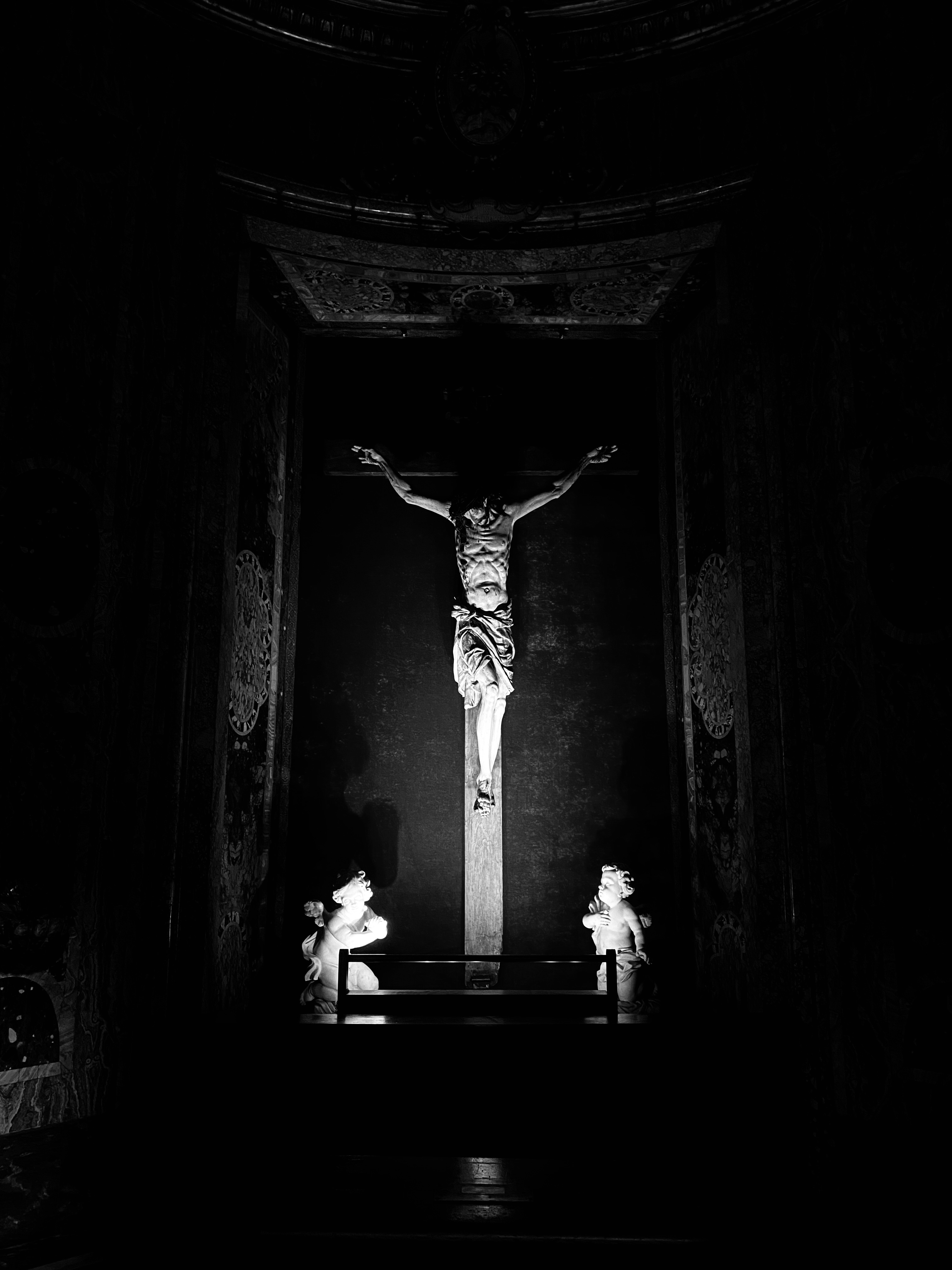
This July, Jenn and I journeyed to Rome as part of a Jubilee Year pilgrimage with a group of colleagues from St David’s Catholic College.
(more…)This July, Jenn and I journeyed to Rome as part of a Jubilee Year pilgrimage with a group of colleagues from St David’s Catholic College.
(more…)In a November entry of The Genesee Diary, Henri Nouwen reflects on the writing and spirituality of Brother Lawrence:
“To live a spiritual life is to live in the presence of God. This very straightforward truth was brought home to me forcefully by Brother Lawrence, a French Carmelite brother who lived in the seventeenth century. The book The Practice of the Presence of God contains four conversations with Brother Lawrence and fifteen letters by him.
He writes: ‘It is not necessary for being with God to be always at church. We may make an oratory of our heart wherein to retire from time to time to converse with him in meekness, humility, and love. Everyone is capable of such familiar conversation with God, some more, some less. He knows what we can do. Let us begin, then. Perhaps he expects but one generous resolution on our part. Have courage.’
‘I know that for the right practice of it [the presence of God] the heart must be empty of all other things, because God will possess the heart alone; and as he cannot possess it alone without emptying it of all besides, so neither can he act there, and do in it what pleases, unless it be left vacant to him.’
Brother Lawrence’s message, in all its simplicity, is very profound. For him who has become close to God, all is one. Only God counts, and in God all people and all things are embraced with love. To live in the presence of God, however, is to live with purity of heart, with simple-mindedness and with total acceptance of his will. That, indeed, demands a choice, a decision, and great courage. It is a sign of true holiness.”
— Henri Nouwen, The Genesee Diary
“You are gods, sons of the Most High, all of you; nevertheless, like men you shall die, and fall like any prince” (Ps 82:6-7)
Xavier Beauvois’s 2010 film, Of Gods and Men, begins with this ominous epitaph from the eighty-second psalm. It is to be a portent of the narrative’s themes of death and dignity, explored in conversation with the theological virtues of faith, hope, and love.
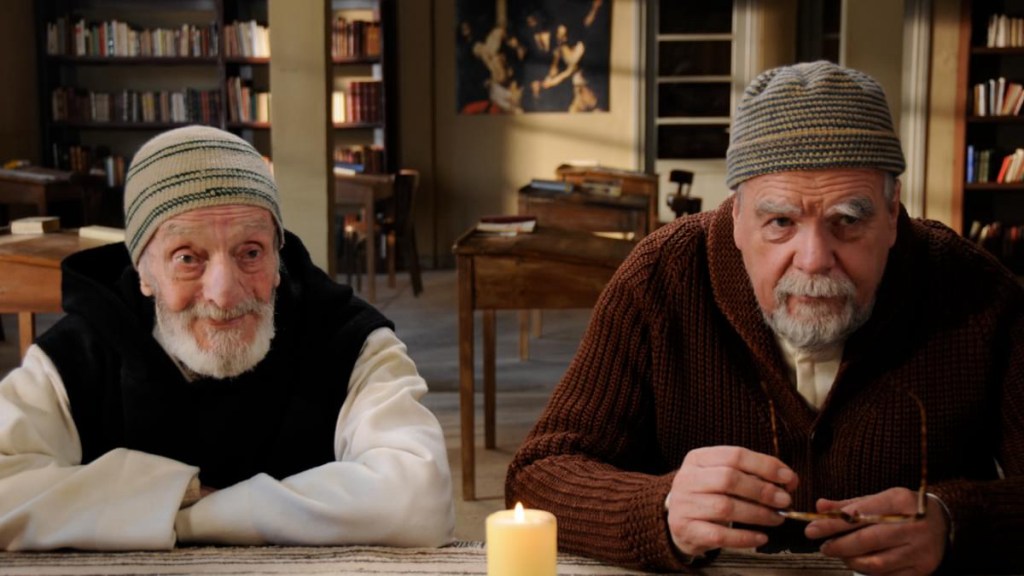
The film is based on the true story of a community of Cistercian monks at the Monastery Notre-Dame de l’Atlas (Abbey of Our Lady of Atlas) in Tibhirine, Algeria. As you might imagine, my remarks here will reveal key details of the plot and references to the real historical events.
(more…)
A beautiful day. We rise early. I head out into the rain and collect coffee and pastries.
Later, as the sun comes out, we go walking until late into the afternoon.
After Mass, we listen to the sounds of birds and traffic, and settle down for a quiet evening. I read this in Thomas Merton’s journals:
(more…)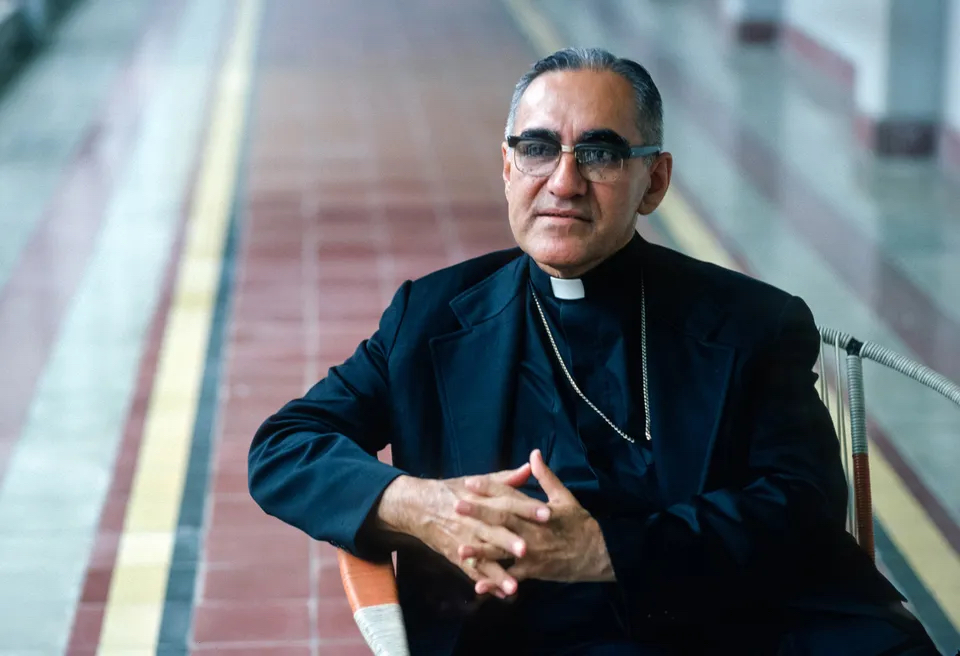
A beautiful prayer about vocation by Bishop Ken Untener of Saginaw, often attributed to St Óscar Romero:
(more…)In the years leading up to my conversion, I gradually became fascinated by Thomas á Kempis’s devotional text, The Imitation of Christ. I encountered it first in the letters of the young Samuel Beckett, and next in the interviews of Estonian composer Arvo Pärt, and then in all kinds of other unexpected places. Among them, this 1877 letter from Vincent Van Gogh to his beloved brother, Theo:
(more…)

Saturday afternoon. Revisiting Merton, Newman, and this from Madeleine Delbrêl:
“We are not lacking silence. We already have it. / If we lack silence, it is because we have not learned how to keep it. / All the noises that surround us make much less din than we ourselves do. / The real noise is the echo that things have in us. / It is not speaking that necessarily breaks the silence. / Silence is the place of the word of God, and if we confine ourselves to repeating this word, then we can speak without ceasing to be silent.”
— The Dazzling Light of God, trans. Mary Dudro Gordon
 RhysTranter.com