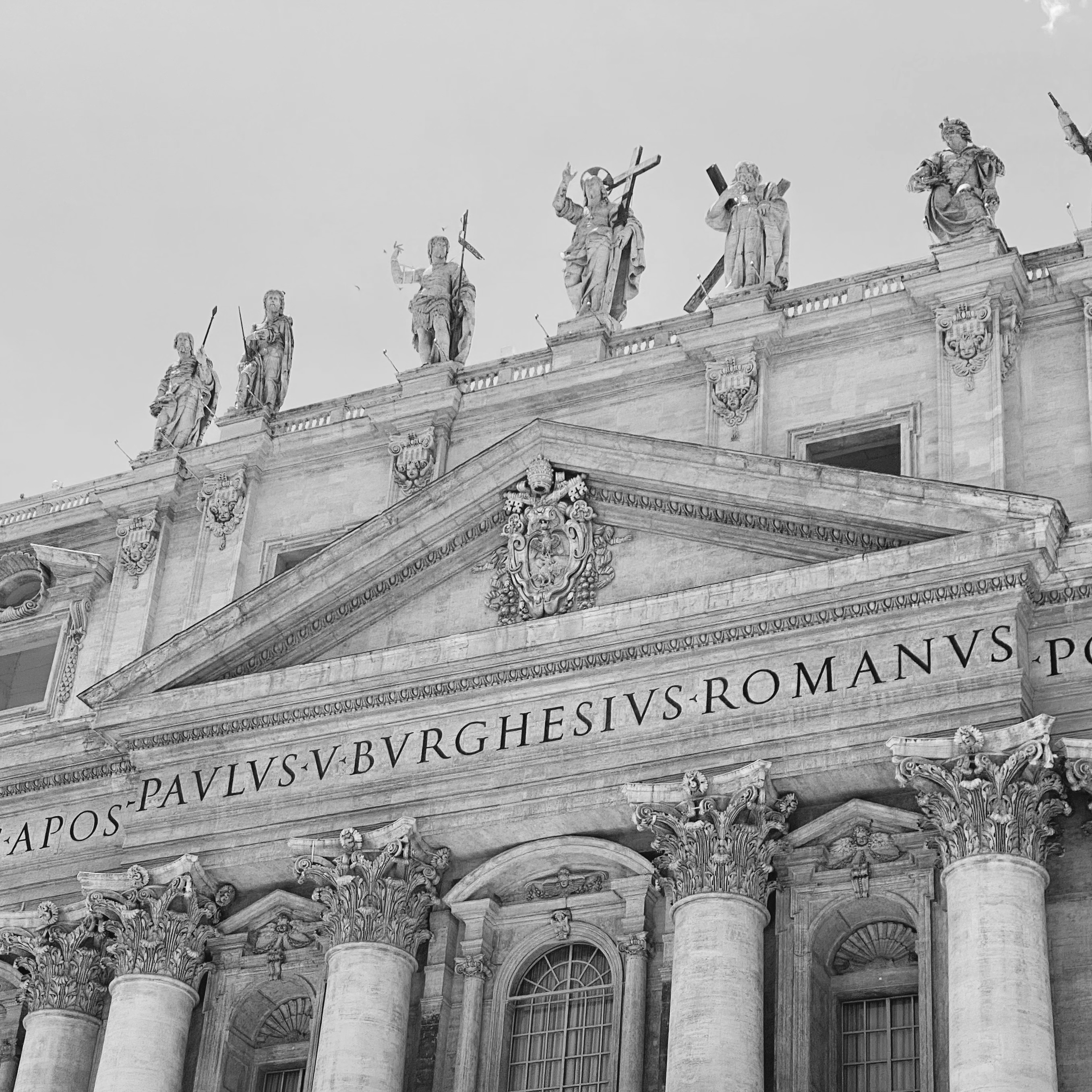
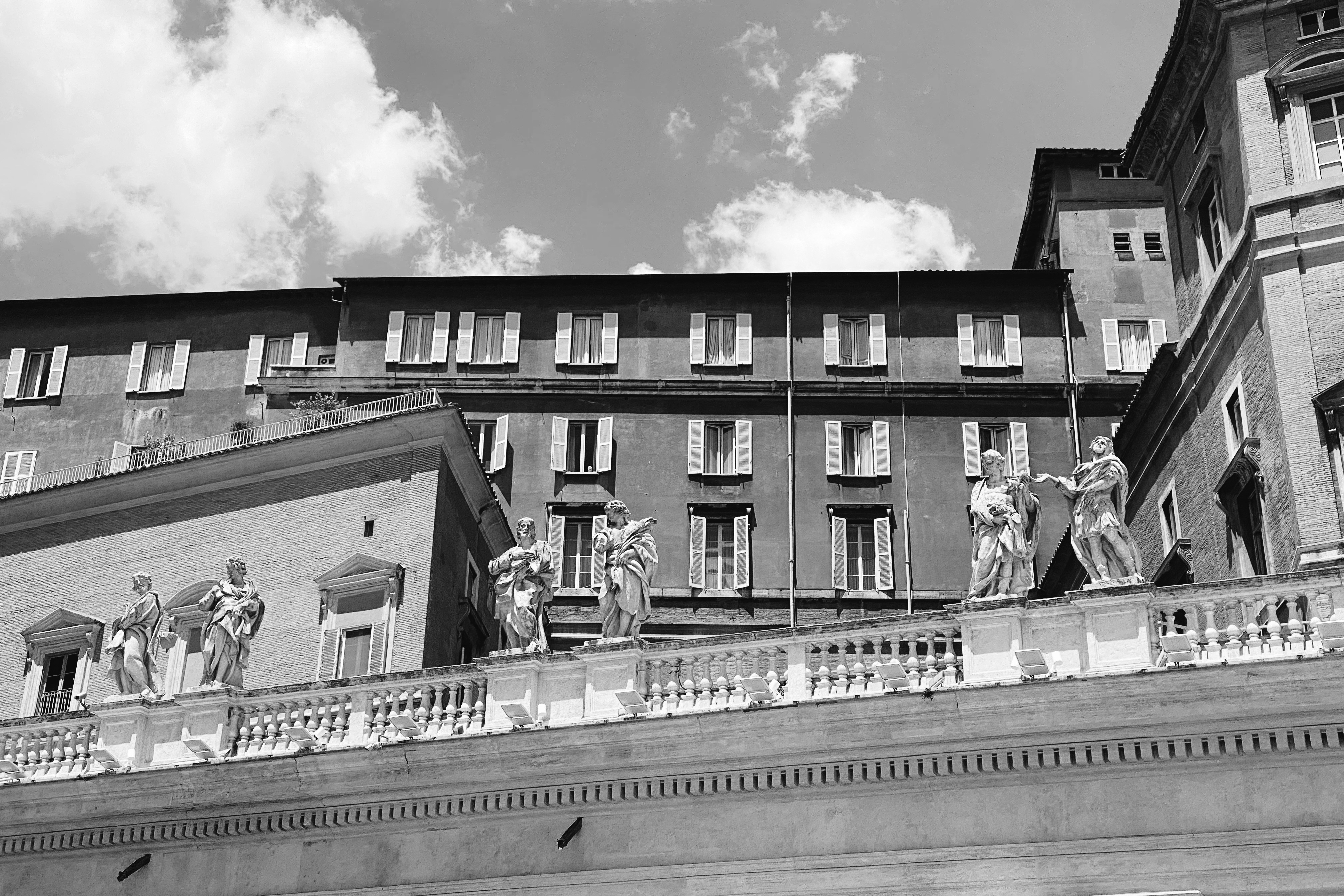
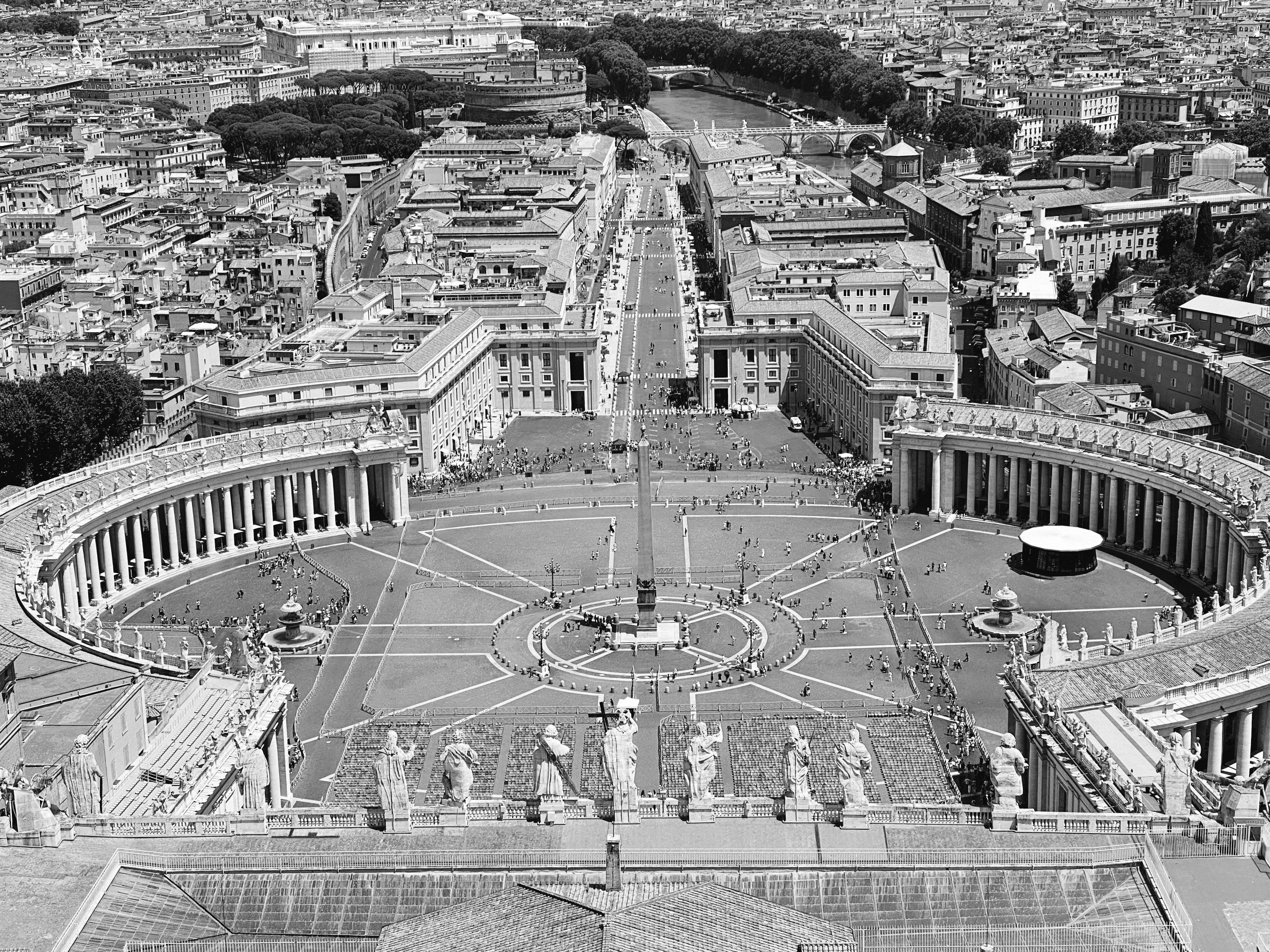
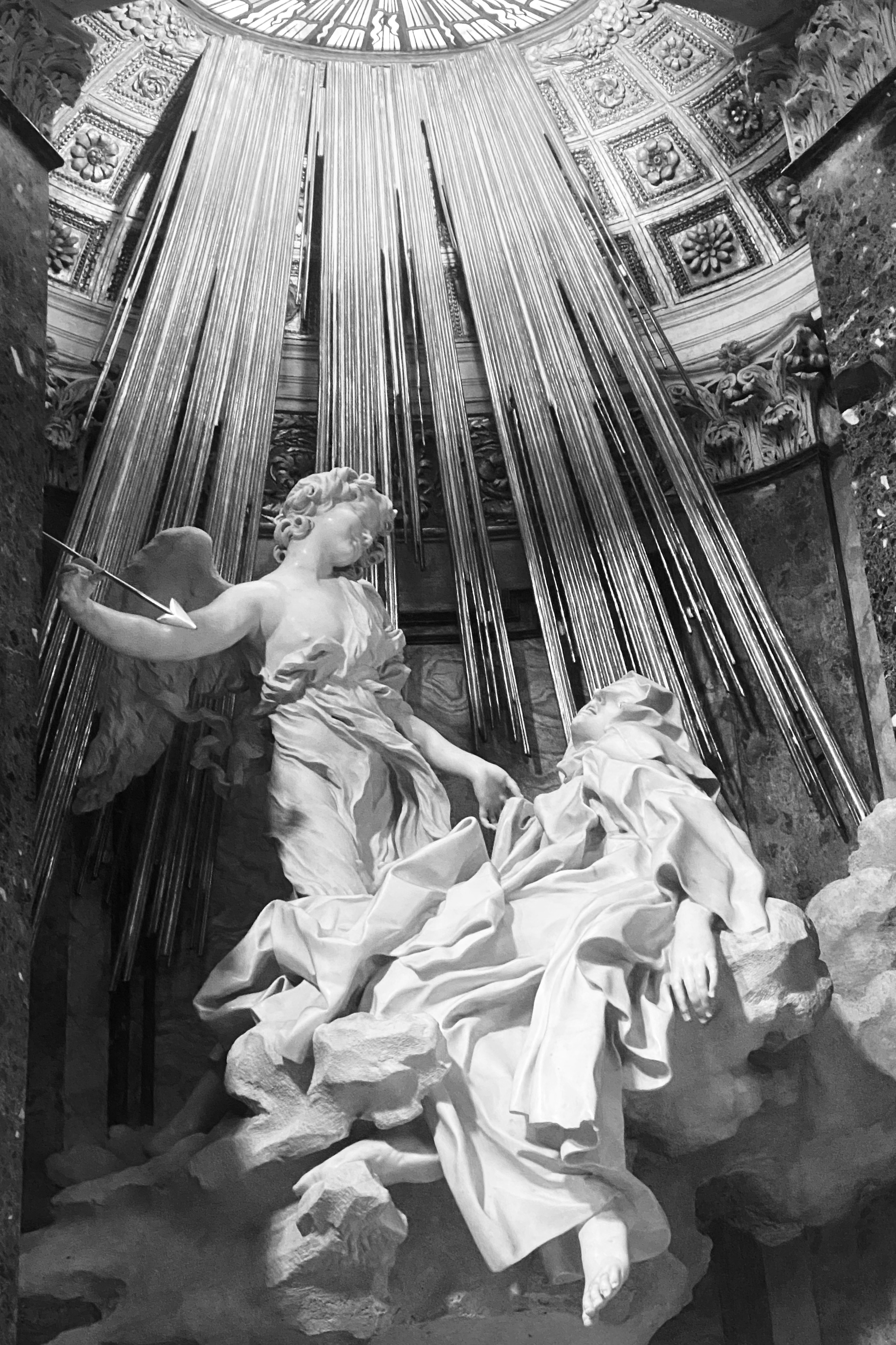
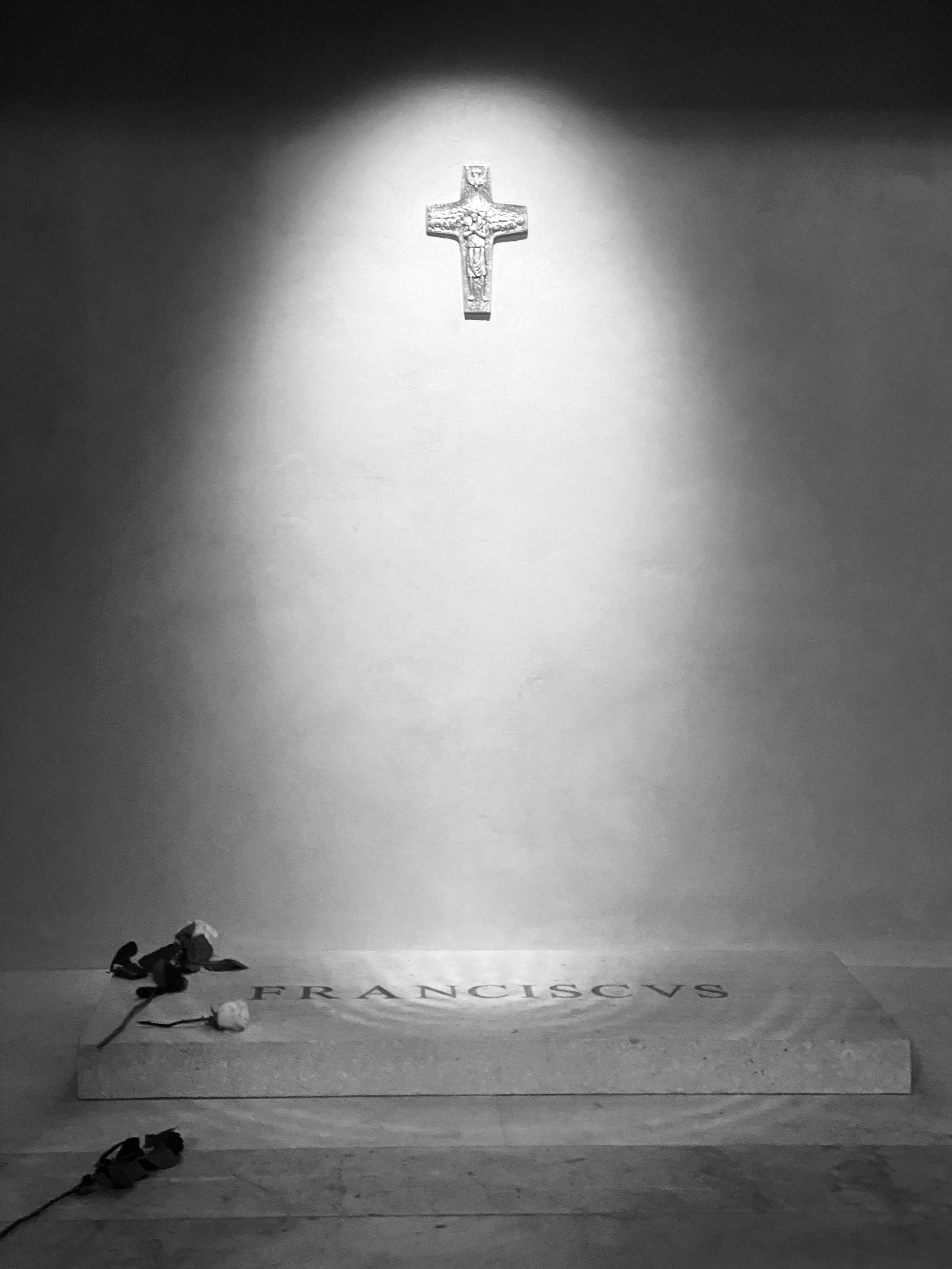
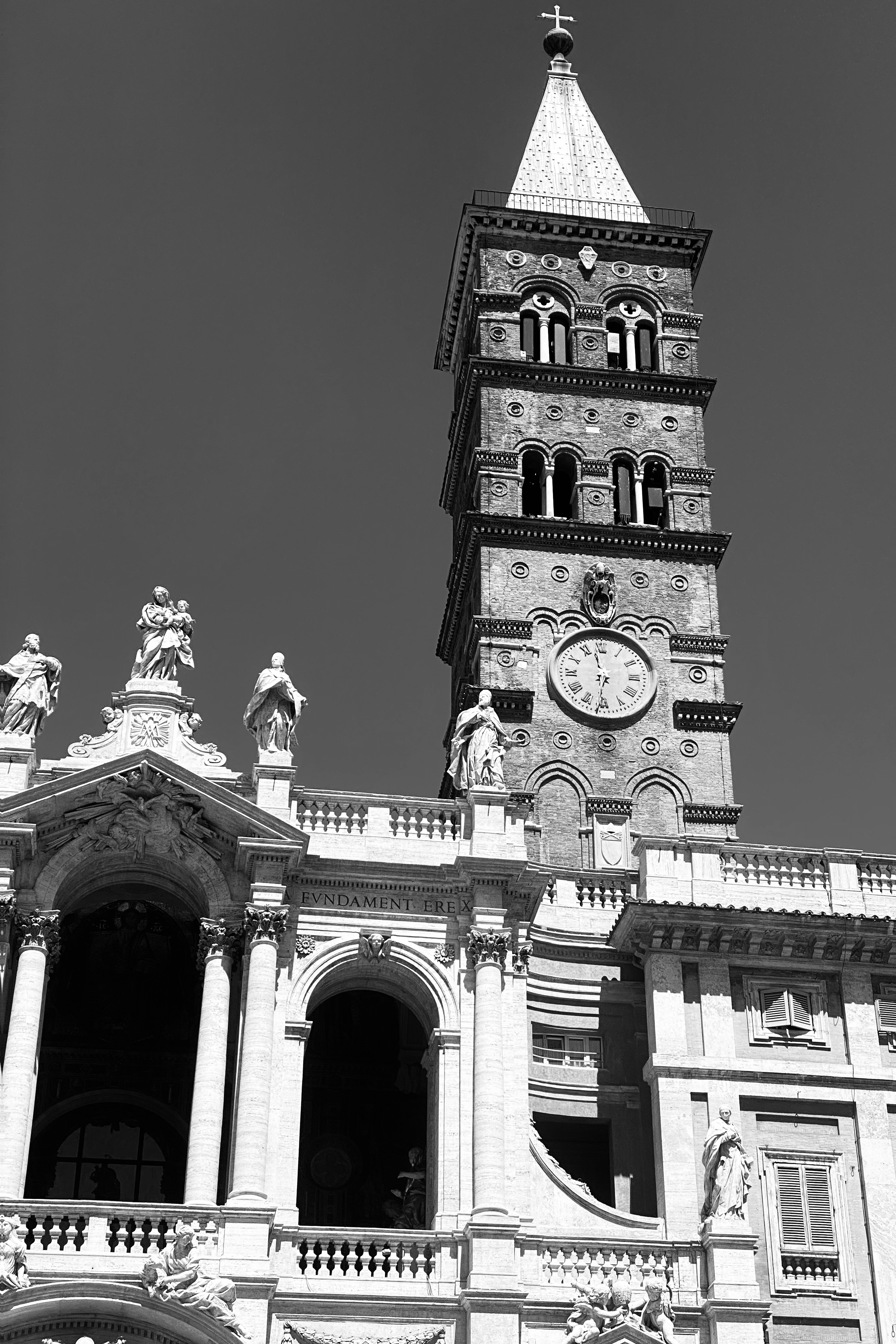
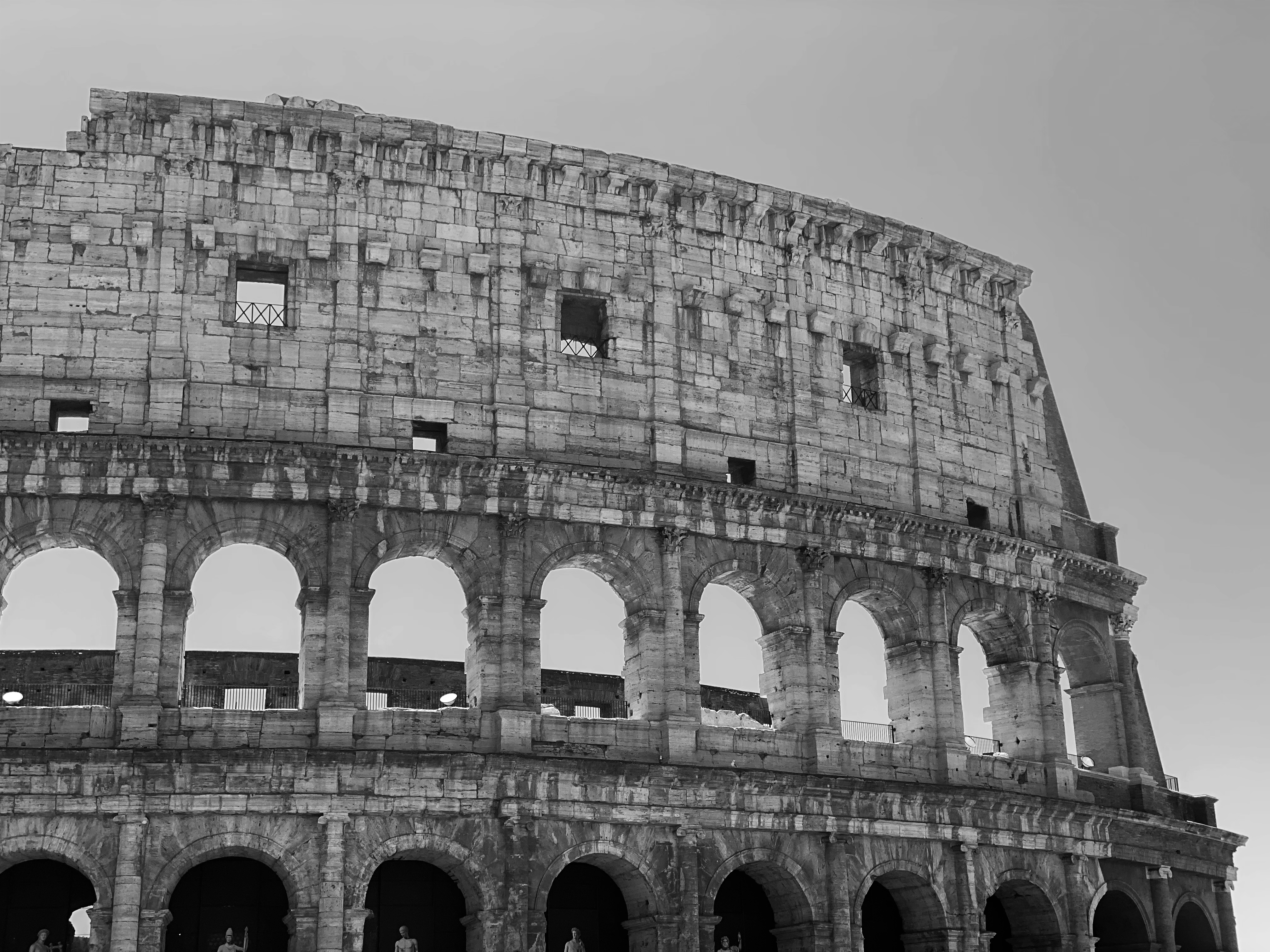
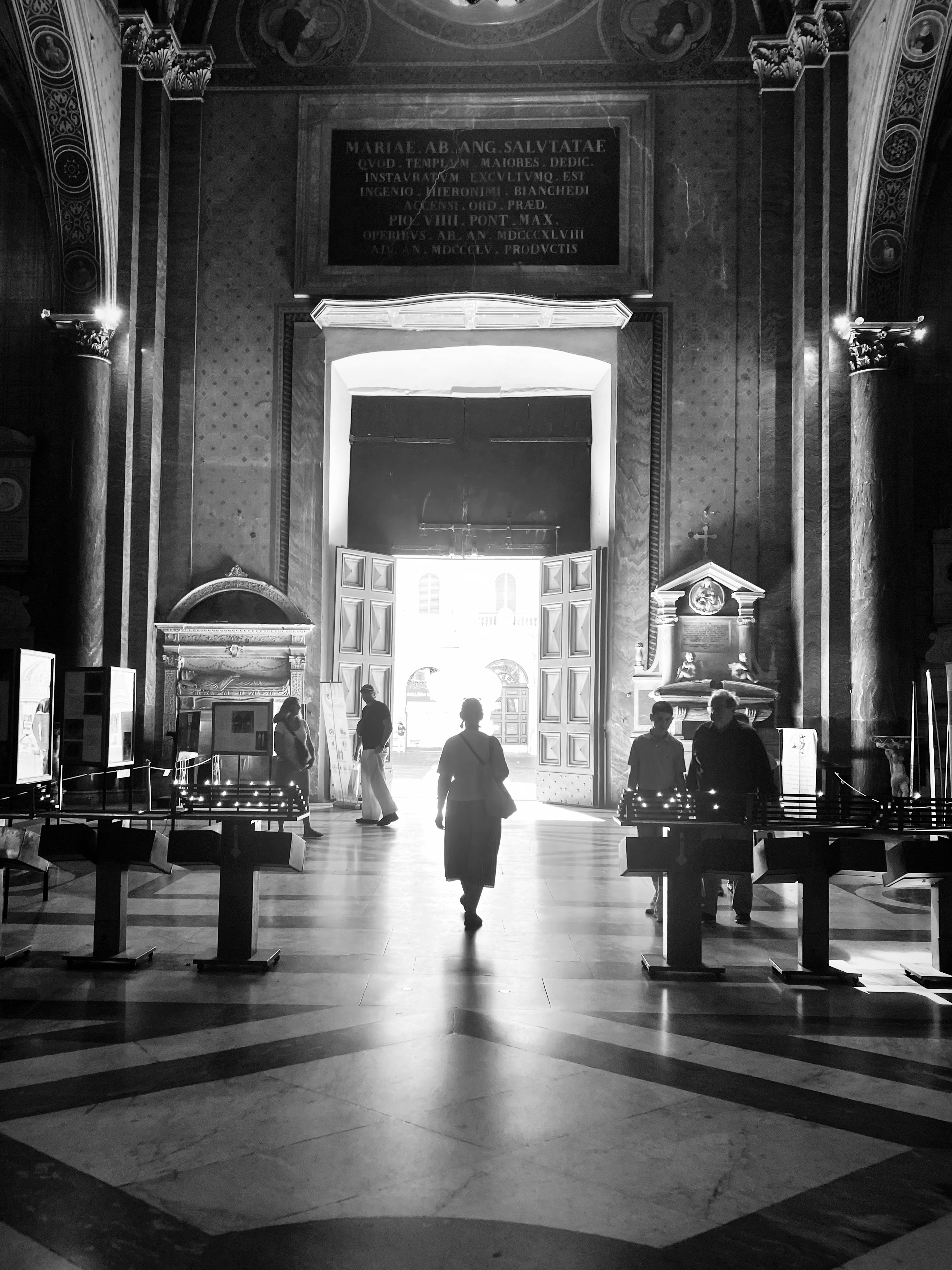
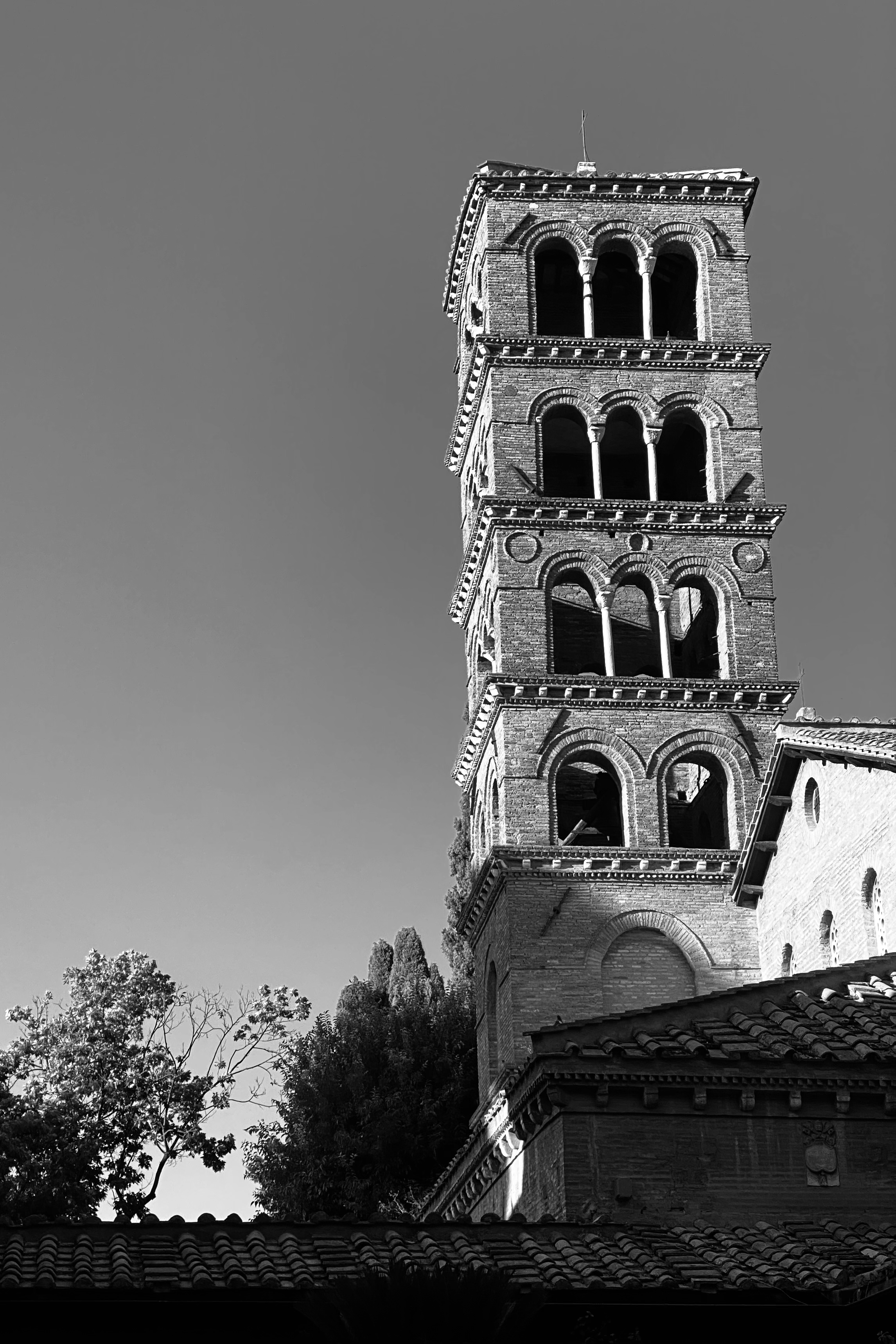
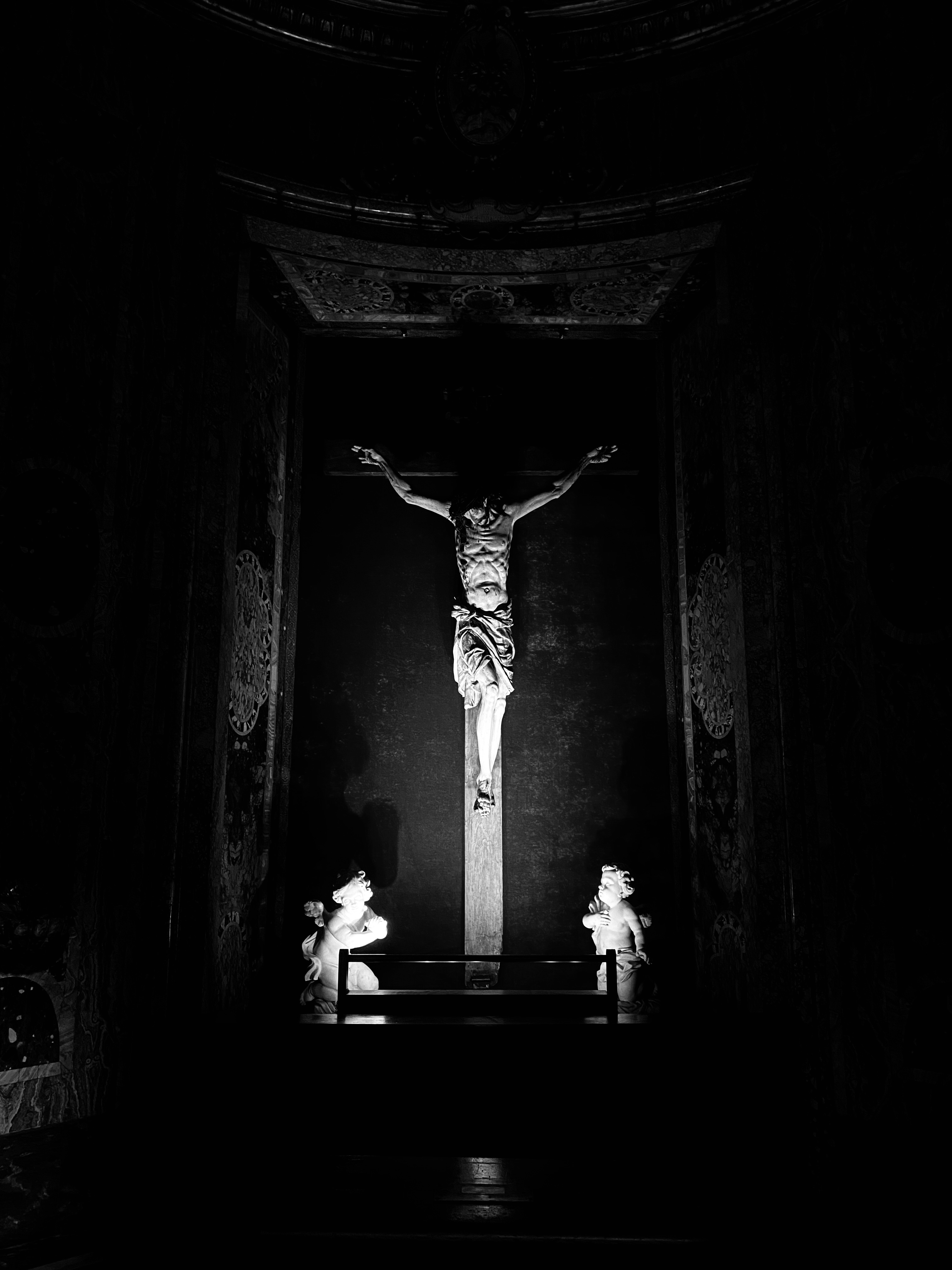
This July, Jenn and I journeyed to Rome as part of a Jubilee Year pilgrimage with a group of colleagues from St David’s Catholic College.
(more…)


This July, Jenn and I journeyed to Rome as part of a Jubilee Year pilgrimage with a group of colleagues from St David’s Catholic College.
(more…)
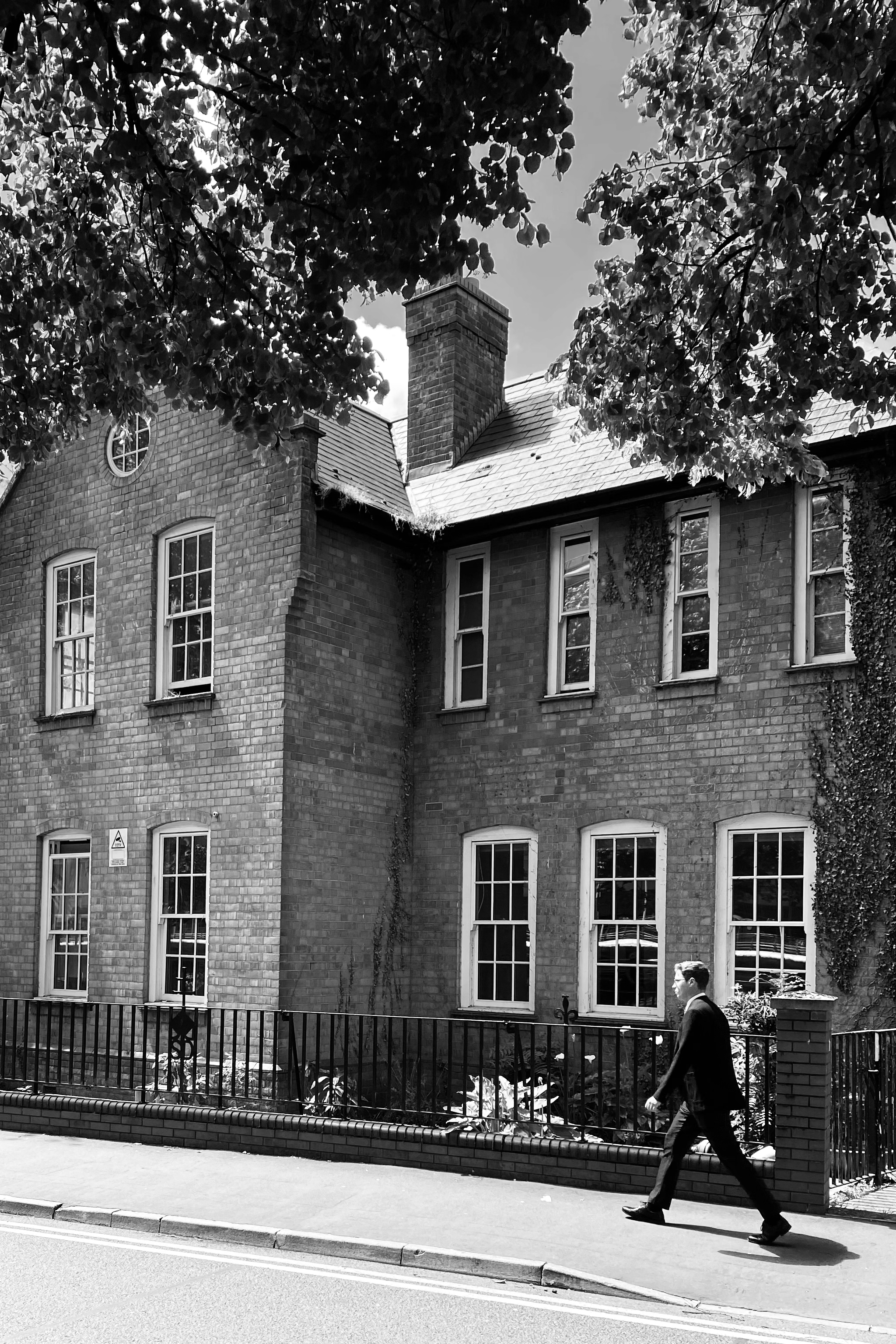
This week I had the joy of taking a group of students to the University of Oxford open day. In a few quiet moments, I had an opportunity to pray at the Oxford Oratory on Woodstock Road.
“This church has played a part in the life of many prominent Oxford Catholics. The Jesuit priest and poet Gerald Manley Hopkins served as a curate here. The Newman Society, Oxford University’s oldest student association, was founded here in 1878 (then named ‘the Catholic Club’). Margaret Fletcher founded the Catholics Women’s League here in 1905. J.R.R. Tolkien attended daily Mass here, and the church’s dedication almost certainly inspired Evelyn Waugh when writing Brideshead Revisited.”
— Source: oxfordoratory.org.uk
In a November entry of The Genesee Diary, Henri Nouwen reflects on the writing and spirituality of Brother Lawrence:
“To live a spiritual life is to live in the presence of God. This very straightforward truth was brought home to me forcefully by Brother Lawrence, a French Carmelite brother who lived in the seventeenth century. The book The Practice of the Presence of God contains four conversations with Brother Lawrence and fifteen letters by him.
He writes: ‘It is not necessary for being with God to be always at church. We may make an oratory of our heart wherein to retire from time to time to converse with him in meekness, humility, and love. Everyone is capable of such familiar conversation with God, some more, some less. He knows what we can do. Let us begin, then. Perhaps he expects but one generous resolution on our part. Have courage.’
‘I know that for the right practice of it [the presence of God] the heart must be empty of all other things, because God will possess the heart alone; and as he cannot possess it alone without emptying it of all besides, so neither can he act there, and do in it what pleases, unless it be left vacant to him.’
Brother Lawrence’s message, in all its simplicity, is very profound. For him who has become close to God, all is one. Only God counts, and in God all people and all things are embraced with love. To live in the presence of God, however, is to live with purity of heart, with simple-mindedness and with total acceptance of his will. That, indeed, demands a choice, a decision, and great courage. It is a sign of true holiness.”
— Henri Nouwen, The Genesee Diary

Dorotheus of Gaza, quoted in an entry from Henri Nouwen’s The Genesee Diary:
“Don’t look for the affection of your neighbor. He who looks for it is troubled when he does not get it. You yourself, however, have to give witness to the love for your neighbor and to offer him rest, and thus you will bring your neighbor to love.”
A short passage from this morning’s Office of Readings in the Breviary (Friday, Week 10 of Ordinary Time):
“It is medicine for our spiritual health. Whoever reads it will find in it a medicine to cure the wounds caused by his own particular passions. Whoever studies it deeply will find it a kind of gymnasium open for all souls to use, where the different psalms are like different exercises set out before him. In that gymnasium, in that stadium of virtue, he can choose the exercises that will train him best to win the victor’s crown.
If someone wants to study the deeds of our ancestors and imitate the best of them, he can find a single psalm that contains the whole of their history, a complete treasury of past memories in just one short reading.”
— From the discourses of St Ambrose on the Psalms

While packing for a trip I pick up an old book I haven’t read for a long time. It’s a 1976 edition of Henri Nouwen’s The Genesee Diary: Report from a Trappist Monastery.
It documents a sabbatical year that the Dutch-born priest and teacher spent at the Cistercian Trappist Abbey of Genesee on New York State, immersing himself in a life of silence, prayer, and manual labour.
The book is enjoyable for its many humorous observations about Nouwen’s daily life, and also for its psychological clarity on the issues he struggles with in this environment.
(more…)“You are gods, sons of the Most High, all of you; nevertheless, like men you shall die, and fall like any prince” (Ps 82:6-7)
Xavier Beauvois’s 2010 film, Of Gods and Men, begins with this ominous epitaph from the eighty-second psalm. It is to be a portent of the narrative’s themes of death and dignity, explored in conversation with the theological virtues of faith, hope, and love.

The film is based on the true story of a community of Cistercian monks at the Monastery Notre-Dame de l’Atlas (Abbey of Our Lady of Atlas) in Tibhirine, Algeria. As you might imagine, my remarks here will reveal key details of the plot and references to the real historical events.
(more…)