Thomas Merton

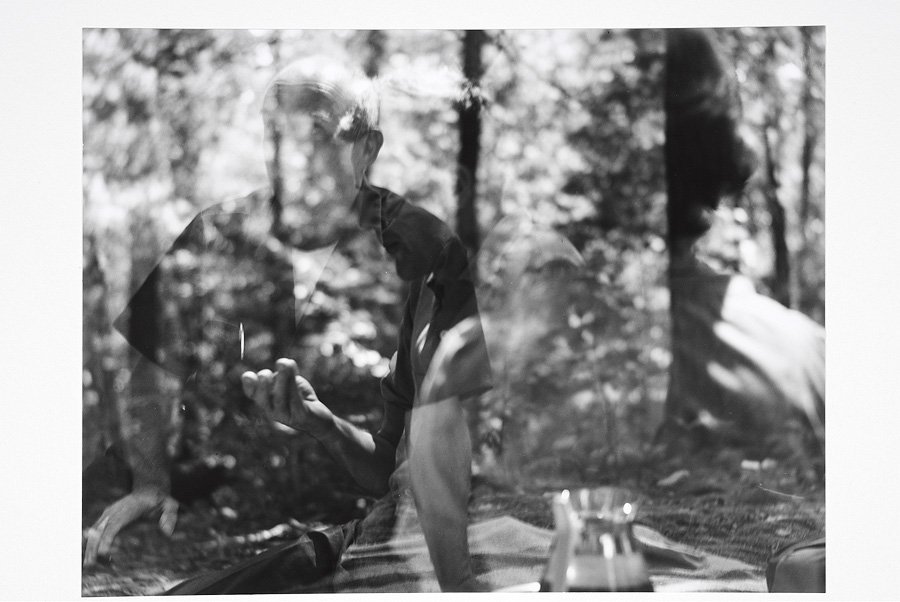
In a recorded conference for novice monks at the Abbey of Our Lady of Gethsemani, Kentucky, the Trappist monk and writer Thomas Merton suggests that simplicity is both a reward and a method in the life of prayer:

“The life of prayer is […] the simplest possible kind of life. Simplify your mind. Simplify your thinking. Simplify your thinking about yourself and simplify your thinking about life and simplify your thinking about God”

— Thomas Merton
Photograph: Rhys Tranter

What can great works of art teach us? How do they speak of the joys and trials of our everyday lives?

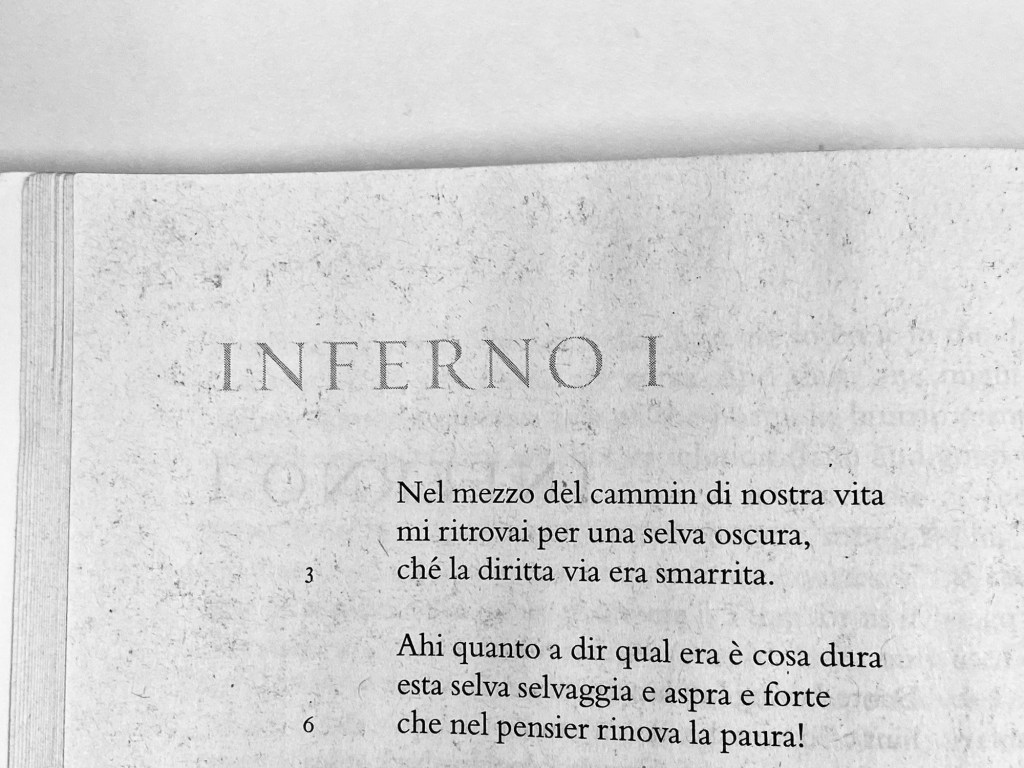
There is so much to recommend about Giuseppe Mazzotta’s Yale course on Dante in Translation that it’s difficult to know where to start. So, why not start at the beginning?

In the opening chapter of Mazzotta’s Reading Dante, a revised transcript of the lecture series, he traces a vision of Dante’s masterpiece as a kind of encyclopaedia, or ‘circle of knowledge’, that follows the path of a human life.

(more…)

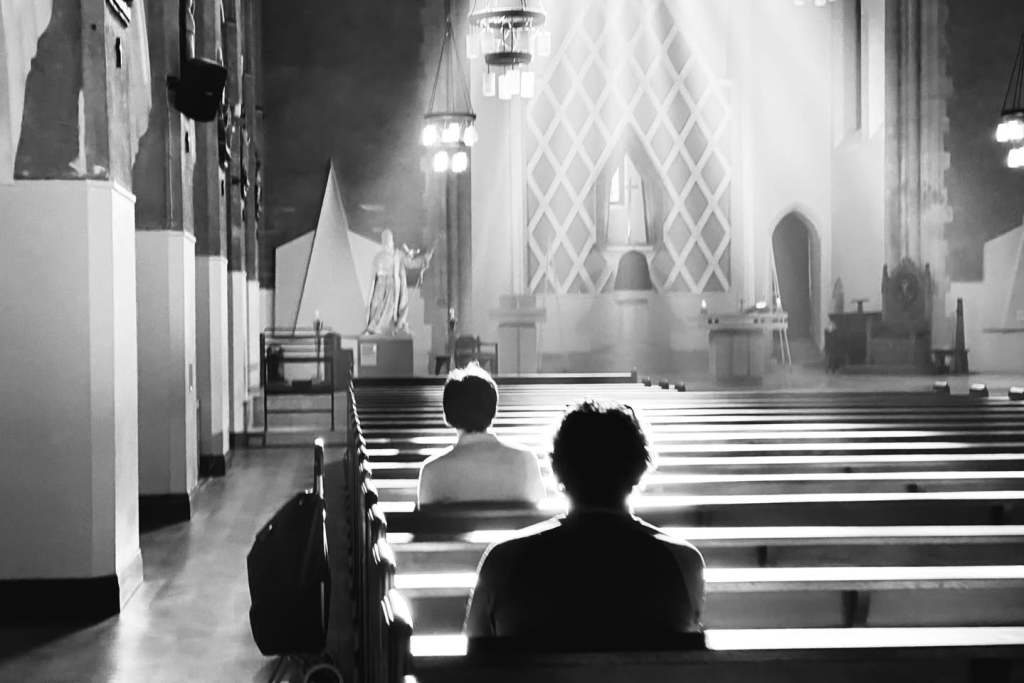
Photograph: Rhys Tranter.

In his commentary on the book of Job, Pope St Gregory the Great outlines a distinction between the imposition of power led by will and the testimony of quiet authority led by conscience:

“When Paul says to Titus: ‘Command these things, teach them with all authority’, he is not recommending the domination of power but the force of his disciple’s life. A man teaches with authority what he first practises himself before preaching to others, for when conscience is an obstacle to speech, what is taught is more difficult to accept.”

I am reminded of Pope St Paul VI’s observation that “[m]odern man listens more willingly to witnesses than to teachers, and if he does listen to teachers, it is because they are witnesses” (Evangelli Nuntiandi, 41)

Today the Vatican has published Magnifica Humanitas, the first Encyclical Letter of Pope Leo XIV.

It has been released on the 135th anniversary of Pope Leo XIII’s Rerum Novarum, which was a rallying call to safeguard human dignity at the height of Industrial Revolution.

The new document calls for a careful and prudent approach to our current digital revolution in order to “safeguard the human person in the time of artificial intelligence”:

Even when machines excel in efficiency, a human face that asks to be gazed upon remains the center of our history.

Magnifica Humanitas, 233

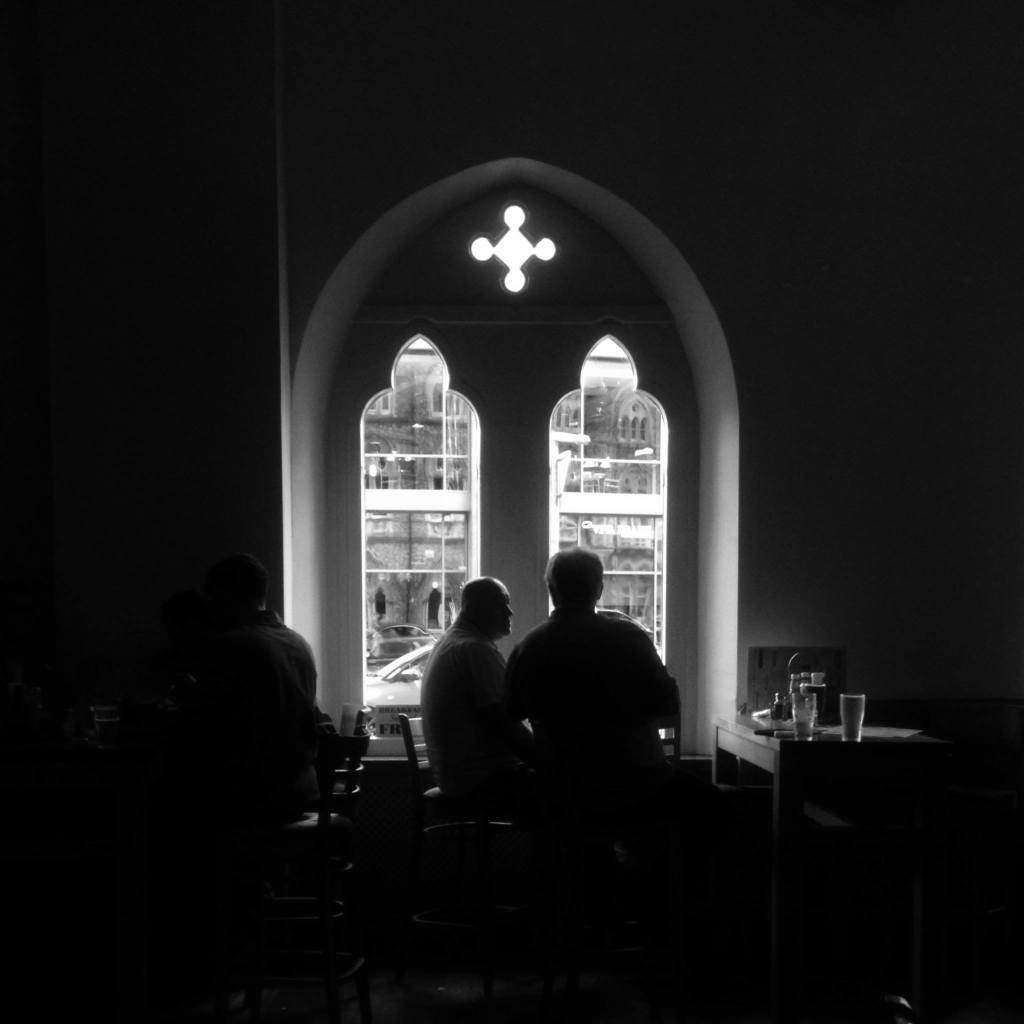
Photograph: Rhys Tranter

Christoph Cardinal Schönborn, the editor of the Catechism of the Catholic Church, shares this on art, the true and the beautiful:

“Art, therefore, does not deal only with what is externally beautiful and harmonious, although this is rightly considered to be its primary end (CCC 250I). Gertrud von le Fort, one of the greatest Catholic authors of our [just-completed] century, says of writing (and similar things can be said also of the other arts) that it shares with the Christian faith the ‘irresistible inclination to embrace the ostracized and the condemned, even the guilty who are condemned, to accompany on their confused path to the abyss those who have gone astray, to draw the failing and the dying to its heart. […] Genuine poetry remains, unflinchingly, the great lover of the guilty and the lost.’”

Perhaps the words of this author will help us to understand better some of the ways of contemporary art and to see more clearly where today’s artists, in their often bewildering quests, are on the trail of the Savior’s truth.

Living the Catechism of the Catholic Church, Vol. III: Life in Christ.

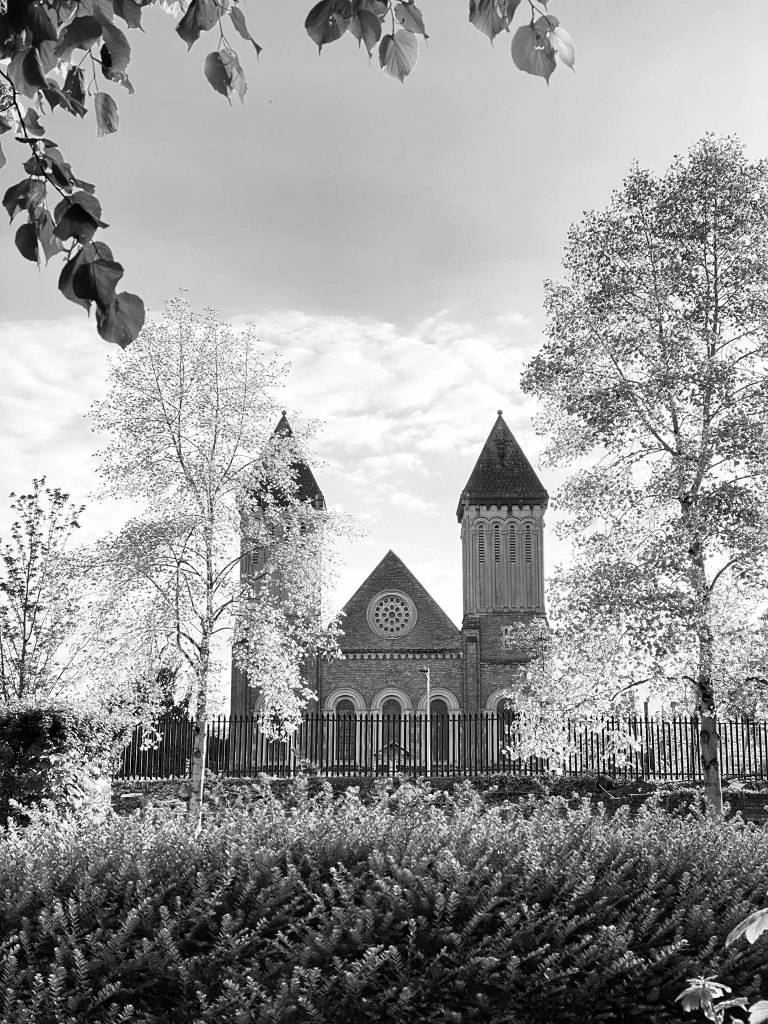
Photograph: Rhys Tranter

In a conversation that touches on a range of contemporary political topics, Joseph Tulloch talks to scholar James K. A. Smith about the enduring influence of St Augustine as a theologian and philosopher.

Towards the end of their time together, Tulloch asks Smith, who shares an alma mater with Pope Leo XIV, what kind of influence Villanova University may have had on their thinking:

“It is precisely this German and French milieu that kept returning to the thought of Saint Augustine in the 20th century. I mean, it’s fascinating. People like Heidegger, Camus, Derrida, Jean-Francois Lyotard – the last three of whom, by the way, are all connected to Algeria in some way. Born in Algeria or working there as adults, they became intellectual stars in France in the middle of the 20th century, and they all had occasion to return to the thought of Saint Augustine. So that is the philosophical milieu which would have shaped part of Pope Leo’s training.”

Source: Vatican News

Photograph: Rhys Tranter

“The Greek word for alms, eleemosyne, comes from éleos, meaning compassion and mercy. Various circumstances have combined to change this meaning so that almsgiving is often regarded as a cold act, with no love in it. But almsgiving in the proper sense means realizing the needs of others and letting them share in one’s own goods. Who would say that there will not always be others who need help, especially spiritual help, support, consolation, fraternity, love? The world is always very poor, as far as love is concerned”

— St John Paul II, 28 March 1979