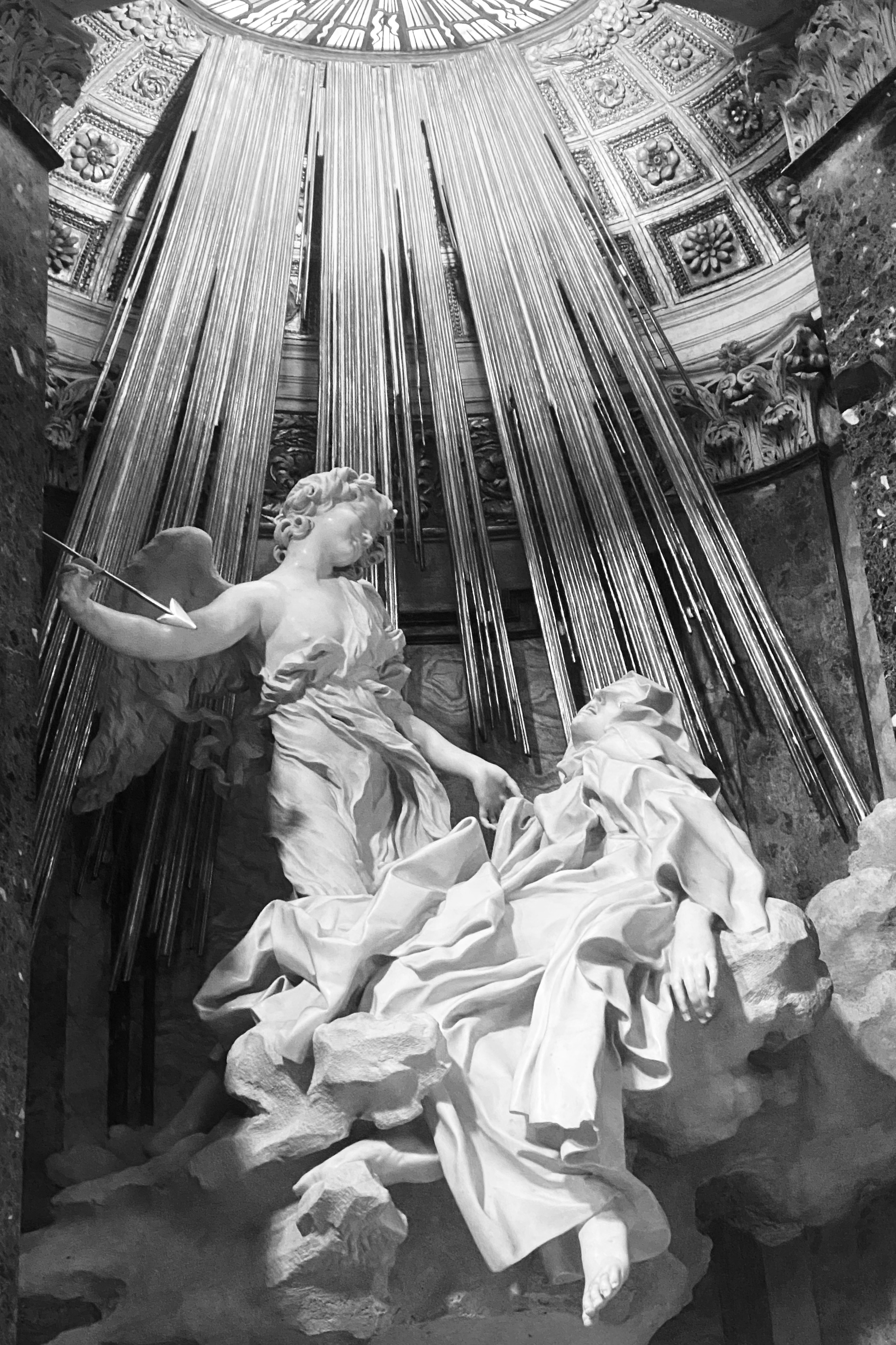
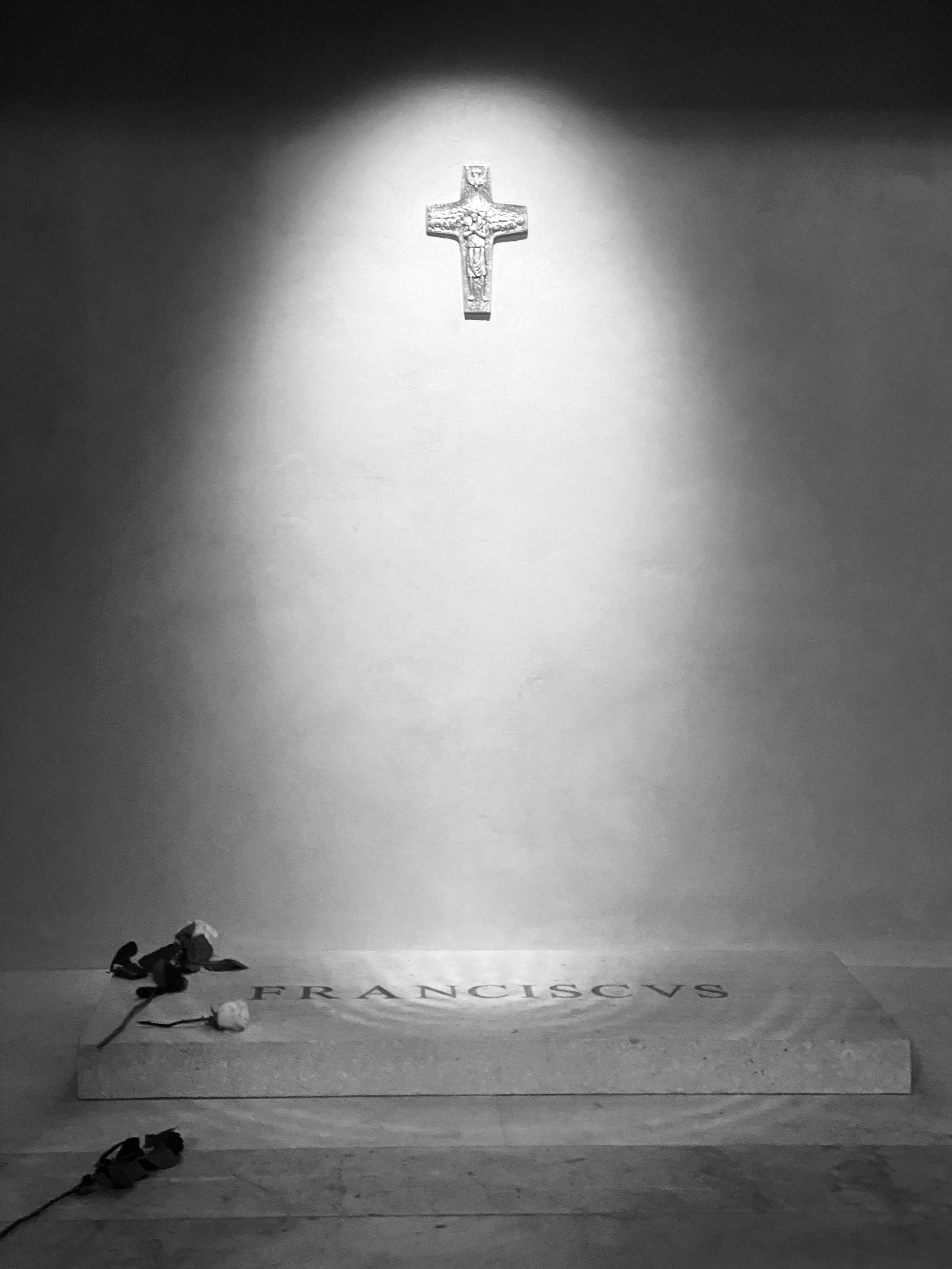
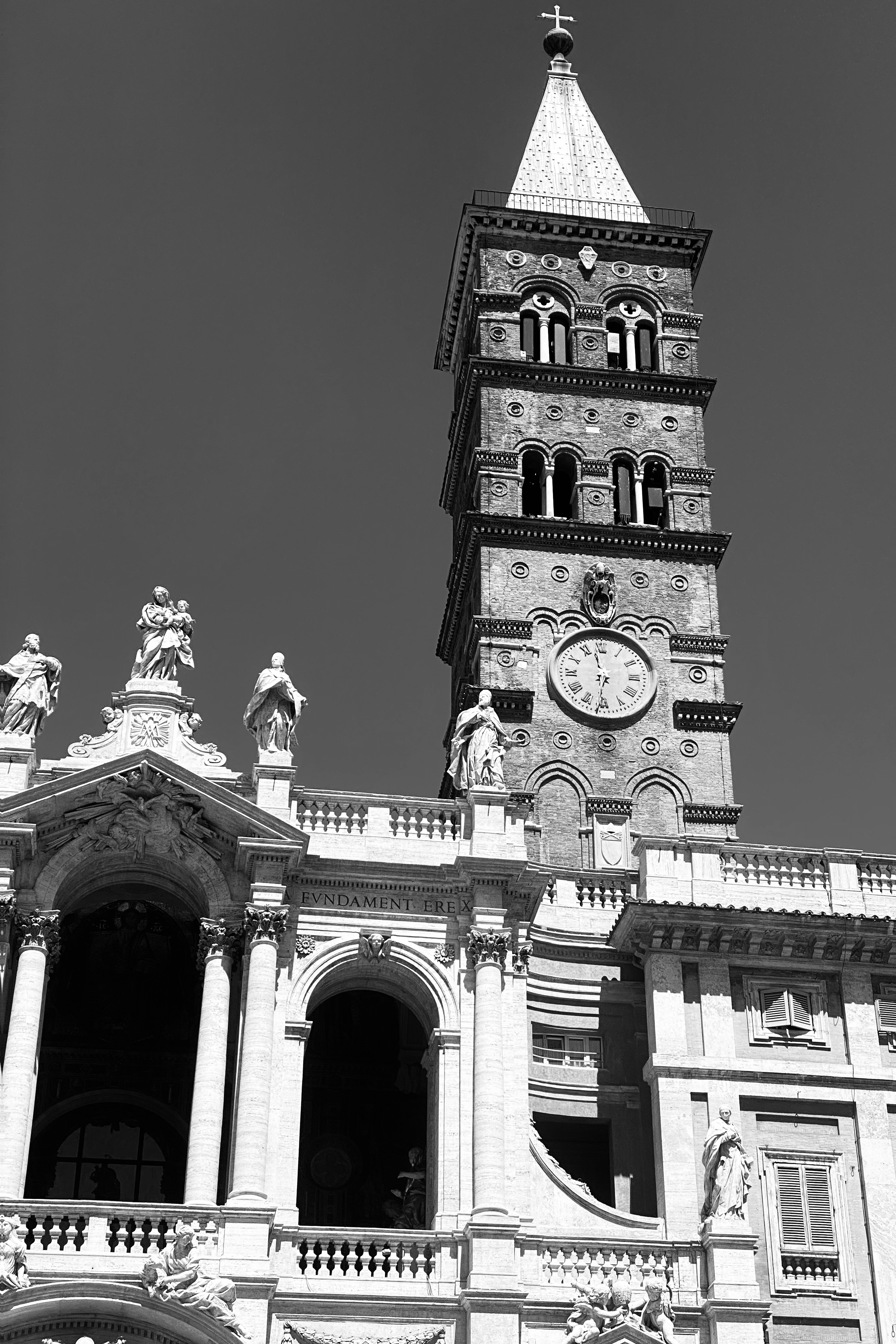
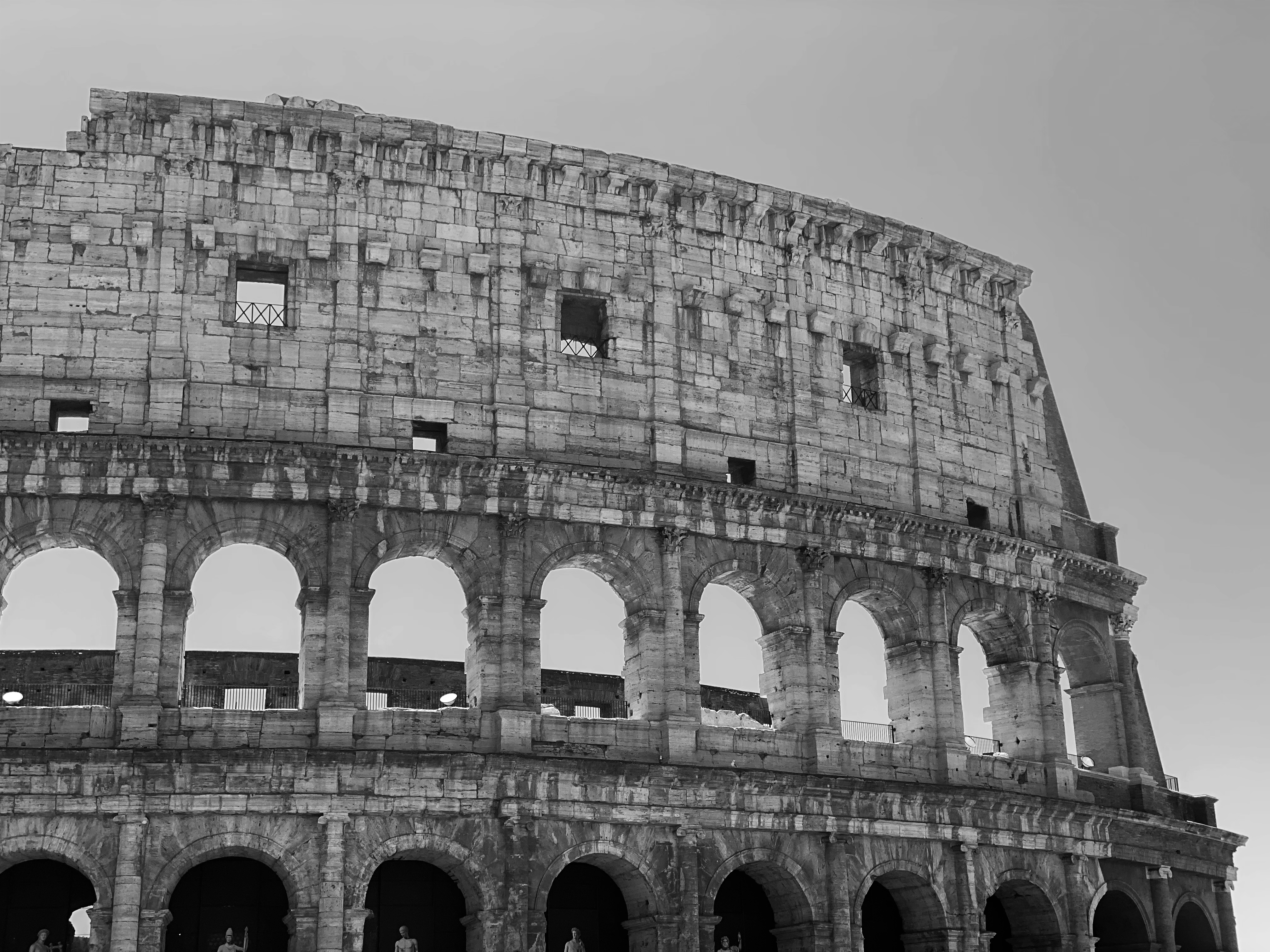
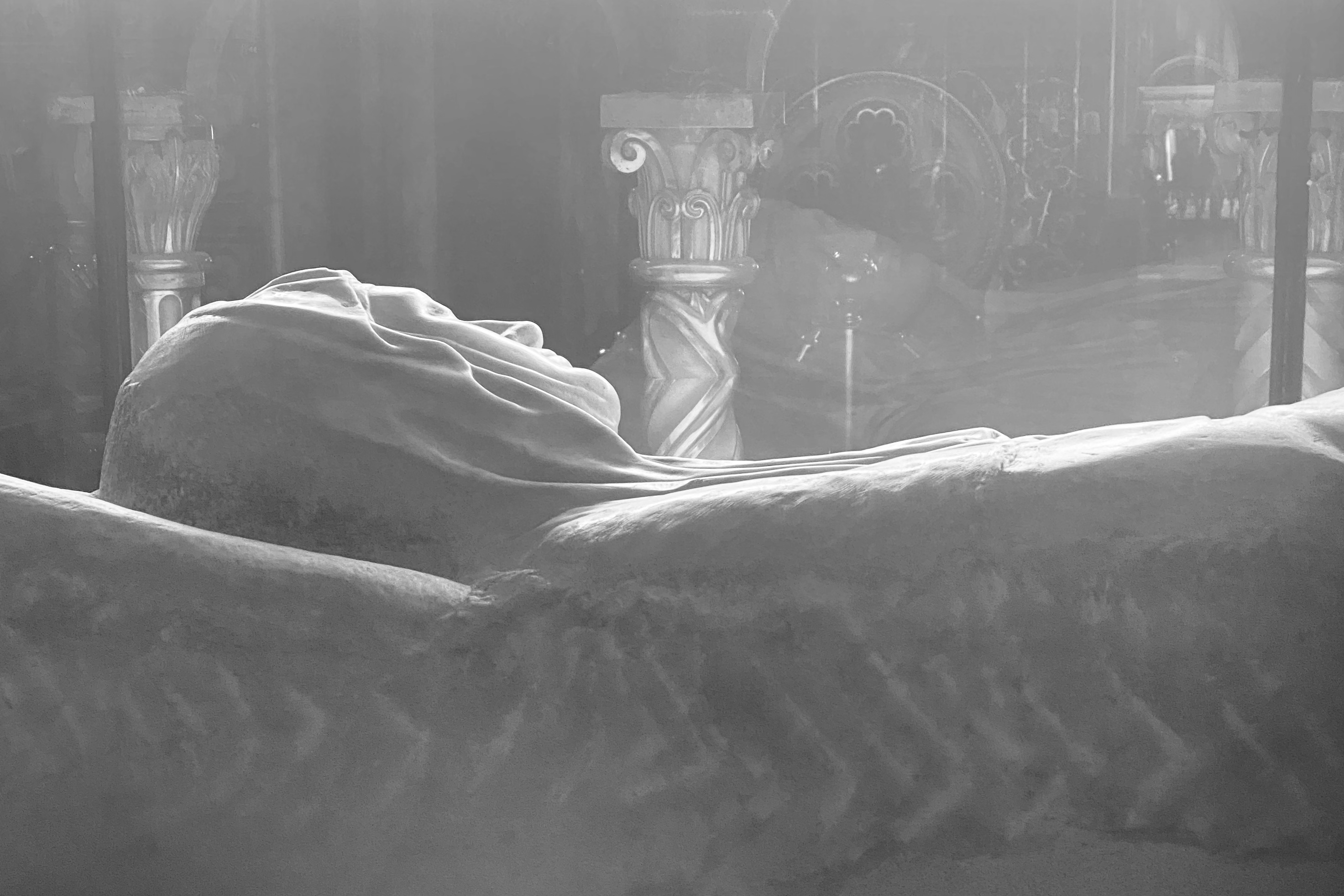
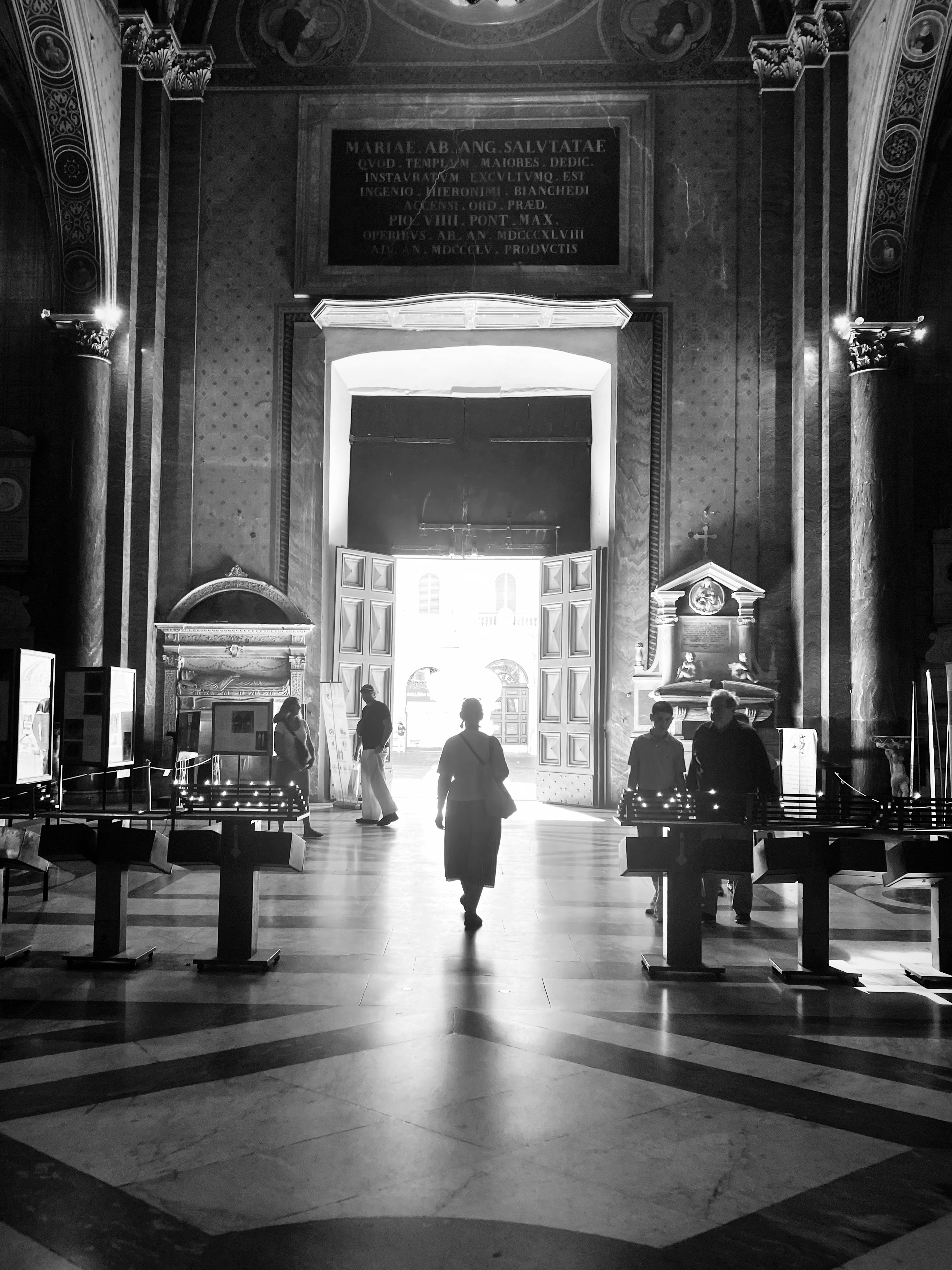
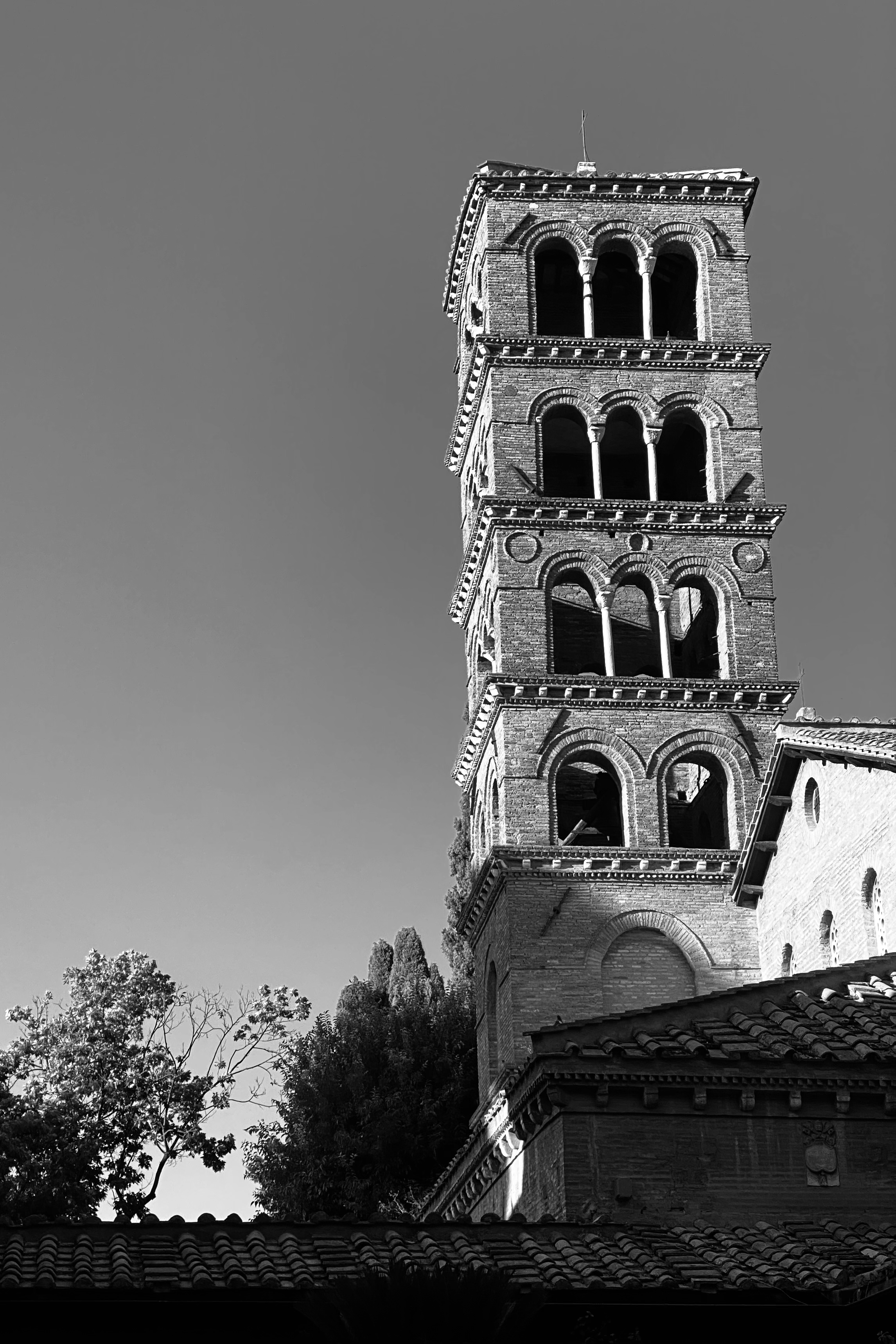
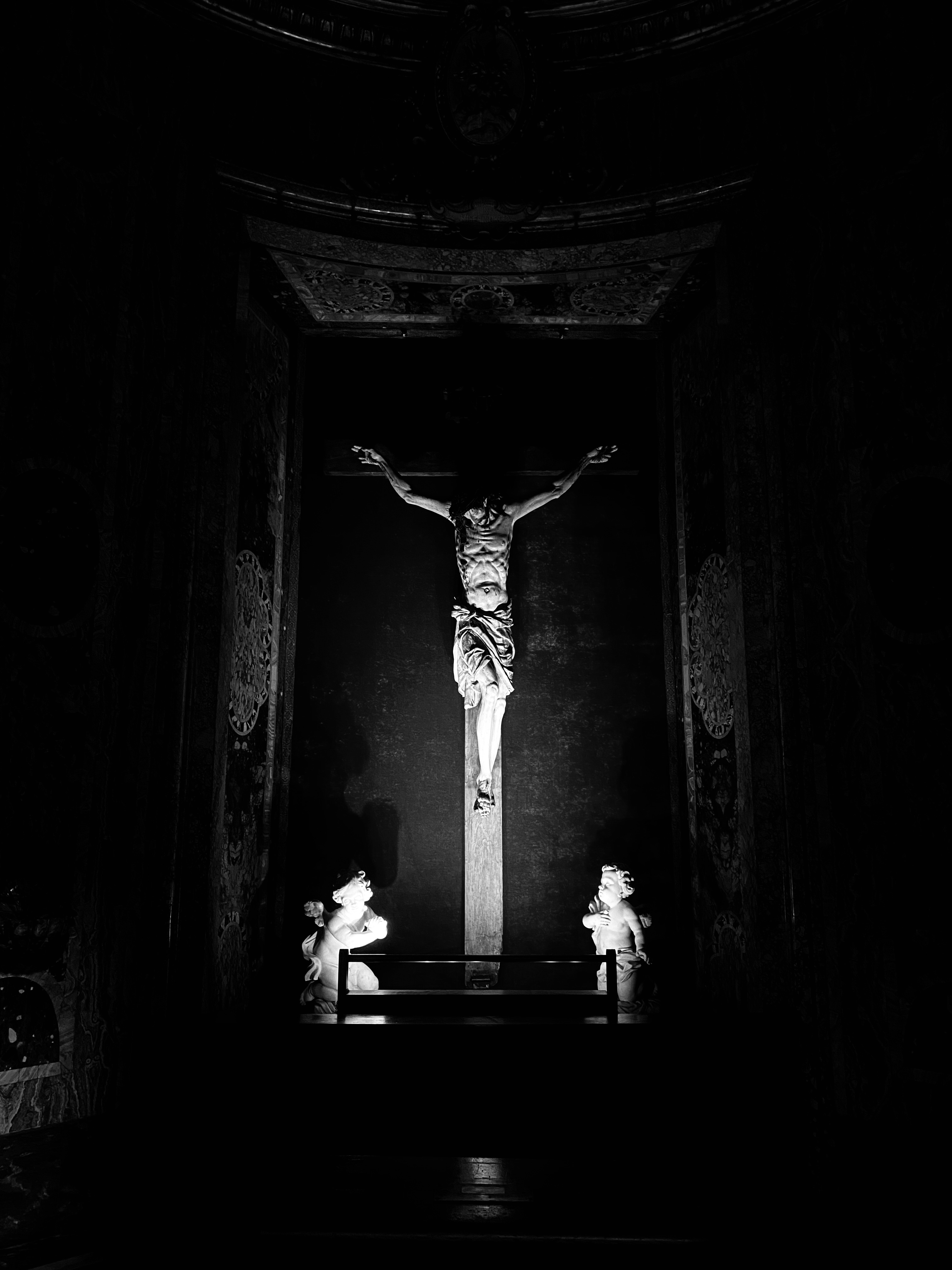
Photograph: Rhys Tranter.

In his commentary on the book of Job, Pope St Gregory the Great outlines a distinction between the imposition of power led by will and the testimony of quiet authority led by conscience:

“When Paul says to Titus: ‘Command these things, teach them with all authority’, he is not recommending the domination of power but the force of his disciple’s life. A man teaches with authority what he first practises himself before preaching to others, for when conscience is an obstacle to speech, what is taught is more difficult to accept.”

I am reminded of Pope St Paul VI’s observation that “[m]odern man listens more willingly to witnesses than to teachers, and if he does listen to teachers, it is because they are witnesses” (Evangelli Nuntiandi, 41)

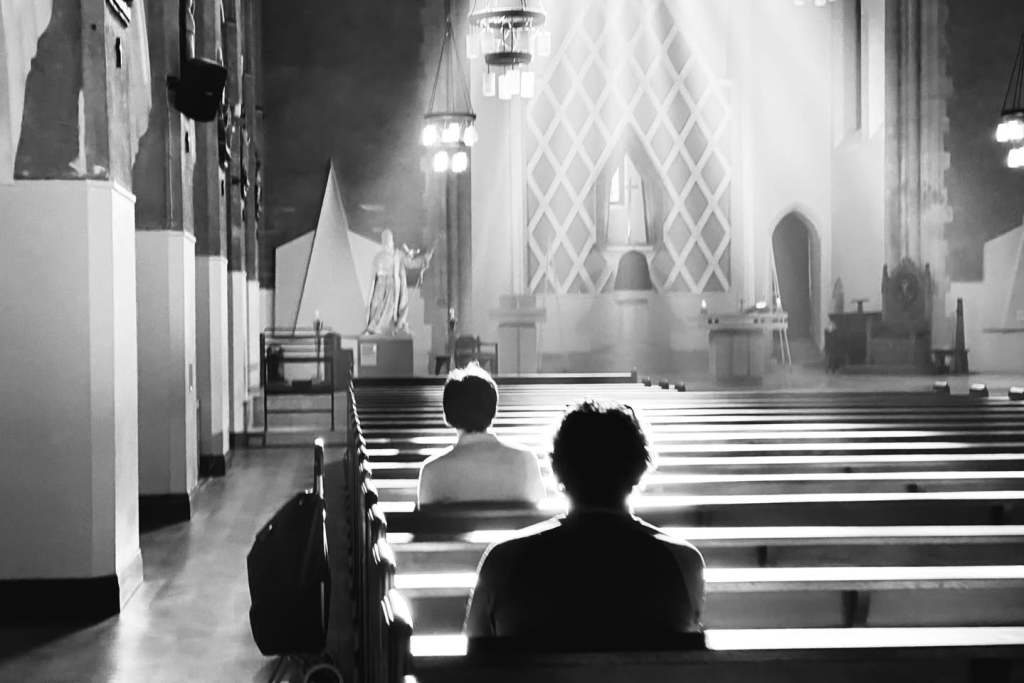
St Patrick’s, Soho, London. Photograph: Rhys Tranter

On Saturday, I took a train to London to attend Summit 2026 at St Patrick’s church in Soho. Centred around the theme of Freedom of Heart: Monastic Wisdom for Everyday Life, the day offered a rich lineup of talks, reflections, and Q&As across topics like hope, inner freedom, and applying spiritual principles to active life in the world.

The plenary speakers began the day with two morning presentations. We heard from Bishop Erik Varden—who recently delivered the Lenten Spiritual Exercises for Pope Leo XIV in Rome—and Fr Jacques Philippe, a cheerful, popular author of books on prayer who draws deeply from the Carmelite tradition. Among the afternoon sessions were talks by two sharp and energetic Dominican nuns, Sr Carino Hodder and Sr Lucy Cahill, whose candid approach to the Rule of St Augustine was entertaining and inspiring. Archbishop Richard Moth was also in attendance for part of the day.

(more…)

Today the Vatican has published Magnifica Humanitas, the first Encyclical Letter of Pope Leo XIV.

It has been released on the 135th anniversary of Pope Leo XIII’s Rerum Novarum, which was a rallying call to safeguard human dignity at the height of Industrial Revolution.

The new document calls for a careful and prudent approach to our current digital revolution in order to “safeguard the human person in the time of artificial intelligence”:

Even when machines excel in efficiency, a human face that asks to be gazed upon remains the center of our history.

Magnifica Humanitas, 233

In a November entry of The Genesee Diary, Henri Nouwen reflects on the writing and spirituality of Brother Lawrence:

“To live a spiritual life is to live in the presence of God. This very straightforward truth was brought home to me forcefully by Brother Lawrence, a French Carmelite brother who lived in the seventeenth century. The book The Practice of the Presence of God contains four conversations with Brother Lawrence and fifteen letters by him.

He writes: ‘It is not necessary for being with God to be always at church. We may make an oratory of our heart wherein to retire from time to time to converse with him in meekness, humility, and love. Everyone is capable of such familiar conversation with God, some more, some less. He knows what we can do. Let us begin, then. Perhaps he expects but one generous resolution on our part. Have courage.’

‘I know that for the right practice of it [the presence of God] the heart must be empty of all other things, because God will possess the heart alone; and as he cannot possess it alone without emptying it of all besides, so neither can he act there, and do in it what pleases, unless it be left vacant to him.’

Brother Lawrence’s message, in all its simplicity, is very profound. For him who has become close to God, all is one. Only God counts, and in God all people and all things are embraced with love. To live in the presence of God, however, is to live with purity of heart, with simple-mindedness and with total acceptance of his will. That, indeed, demands a choice, a decision, and great courage. It is a sign of true holiness.”

Henri Nouwen, The Genesee Diary

“You are gods, sons of the Most High, all of you; nevertheless, like men you shall die, and fall like any prince” (Ps 82:6-7)

Xavier Beauvois’s 2010 film, Of Gods and Men, begins with this ominous epitaph from the eighty-second psalm. It is to be a portent of the narrative’s themes of death and dignity, explored in conversation with the theological virtues of faith, hope, and love.

Br Amédée (Jacques Herlin) and Br Luc (Michael Lonsdale)

The film is based on the true story of a community of Cistercian monks at the Monastery Notre-Dame de l’Atlas (Abbey of Our Lady of Atlas) in Tibhirine, Algeria. As you might imagine, my remarks here will reveal key details of the plot and references to the real historical events.

(more…)

Thomas Merton’s hermitage at the Abbey of Gethsemani

A beautiful day. We rise early. I head out into the rain and collect coffee and pastries.

Later, as the sun comes out, we go walking until late into the afternoon.

After Mass, we listen to the sounds of birds and traffic, and settle down for a quiet evening. I read this in Thomas Merton’s journals:

(more…)