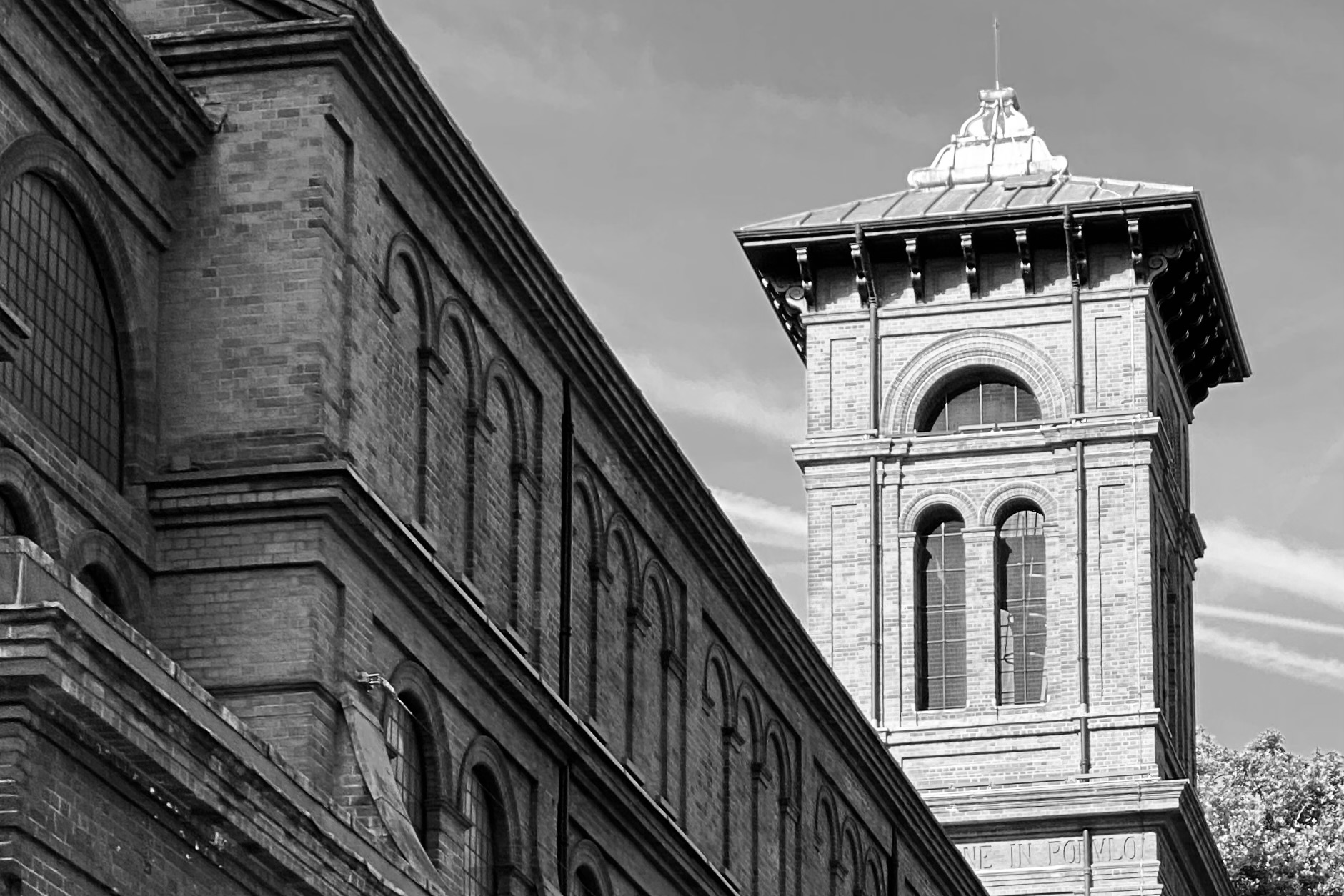
St Patrick’s, Soho, London. Photograph: Rhys Tranter

On Saturday, I took a train to London to attend Summit 2026 at St Patrick’s church in Soho. Centred around the theme of Freedom of Heart: Monastic Wisdom for Everyday Life, and presented a rich lineup of talks, reflections, and Q&As across topics like hope, inner freedom, and applying spiritual principles to active life in the world.

The plenary speakers began the day with two morning presentations. We heard from Bishop Erik Varden—who recently delivered the Lenten Spiritual Exercises for Pope Leo XIV in Rome—and Fr Jacques Philippe, a cheerful, popular author of books on prayer who draws deeply from the Carmelite tradition. Among the afternoon sessions were talks by two sharp and energetic Dominican nuns, Sr Carino Hodder and Sr Lucy Cahill, whose candid approach to the Rule of St Augustine was entertaining and inspiring. Archbishop Richard Moth was also in attendance for part of the day.

(more…)
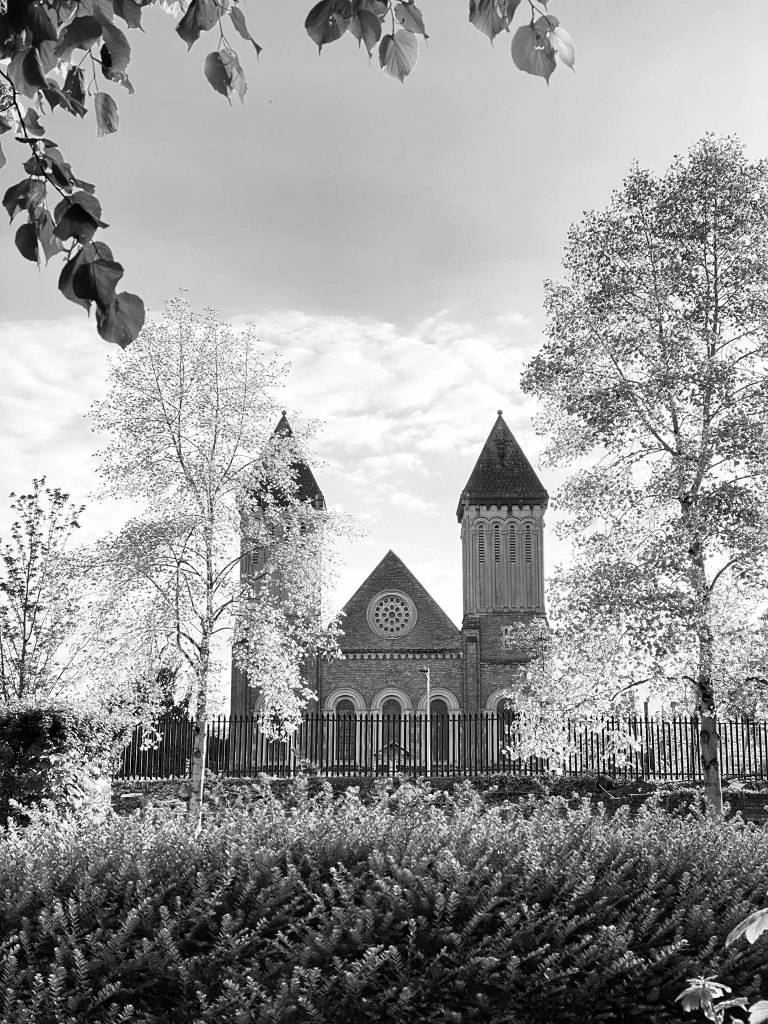
Photograph: Rhys Tranter

In a conversation that touches on a range of contemporary political topics, Joseph Tulloch talks to scholar James K. A. Smith about the enduring influence of St Augustine as a theologian and philosopher.

Towards the end of their time together, Tulloch asks Smith, who shares an alma mater with Pope Leo XIV, what kind of influence Villanova University may have had on their thinking:

“It is precisely this German and French milieu that kept returning to the thought of Saint Augustine in the 20th century. I mean, it’s fascinating. People like Heidegger, Camus, Derrida, Jean-Francois Lyotard – the last three of whom, by the way, are all connected to Algeria in some way. Born in Algeria or working there as adults, they became intellectual stars in France in the middle of the 20th century, and they all had occasion to return to the thought of Saint Augustine. So that is the philosophical milieu which would have shaped part of Pope Leo’s training.”

Source: Vatican News

Autobiography is always negotiating two or more voices, speaking from separate and distinct moments in time. We can see this in what is perhaps the earliest example of modern autobiography, St Augustine‘s Confessions, where a present-day narrator attempts to reconstruct a previous life. In this way, autobiographical writing attempts to collapse the distance between childhood and adulthood, innocence and experience, and past and present.  (more…)

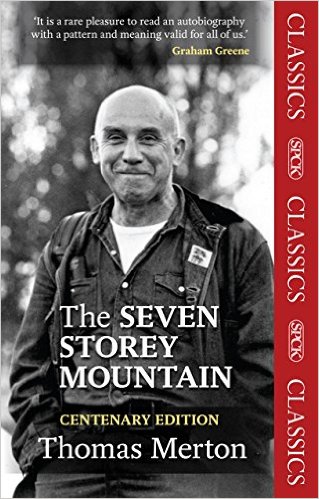
Thomas Merton, The Seven Storey Mountain

Spent yesterday evening reading Thomas Merton‘s autobiography, The Seven Storey Mountain. Still a young man, he has lost his mother and his father to illness. With no fixed home, he moved from his birthplace in France to America, then back to France, then to England, and now to America. His attention to detail is wonderful, whether describing middle-class English life or American cinemagoers enjoying Charlie Chaplin‘s Modern Times. He is becoming increasingly disillusioned with his literary career, and there are early signs that he will consider monastic life. I’m looking forward to returning to the book as soon as I can: rich in everyday details, it’s a remarkable document of early-twentieth-century life.

I am becoming increasingly fascinated with life writing for its potential to blend historical record, philosophical observation, and literary style. I’m thinking here not only of Merton, but figures like St AugustineHenri Amiel, and one of my all-time favourites, Jules Renard. Samuel Beckett‘s poignant and dryly humorous letters have a similar quality.

In a recent interview with Neil Badmington, I was reminded of the profound power and solace that that life writing can provide. Badmington reveals that ‘The Mourning Diary is the posthumous text by Barthes to which I return more than any other. Every time I revisit it, I’m struck by the desperate, impossible tension in its brief sighs of sorrow’.