
Pope Leo XIV (born Robert Francis Prevost, 1955) is the head of the Catholic Church and sovereign of Vatican City. Elected in 2025 as the successor to Pope Francis, he is the first pope born in the United States and the first from the Order of Saint Augustine. His papacy focuses heavily on human dignity, poverty, and the ethics of technology, as outlined in his landmark 2026 encyclical Magnifica Humanitas.
Summit 2026: Freedom of the Heart
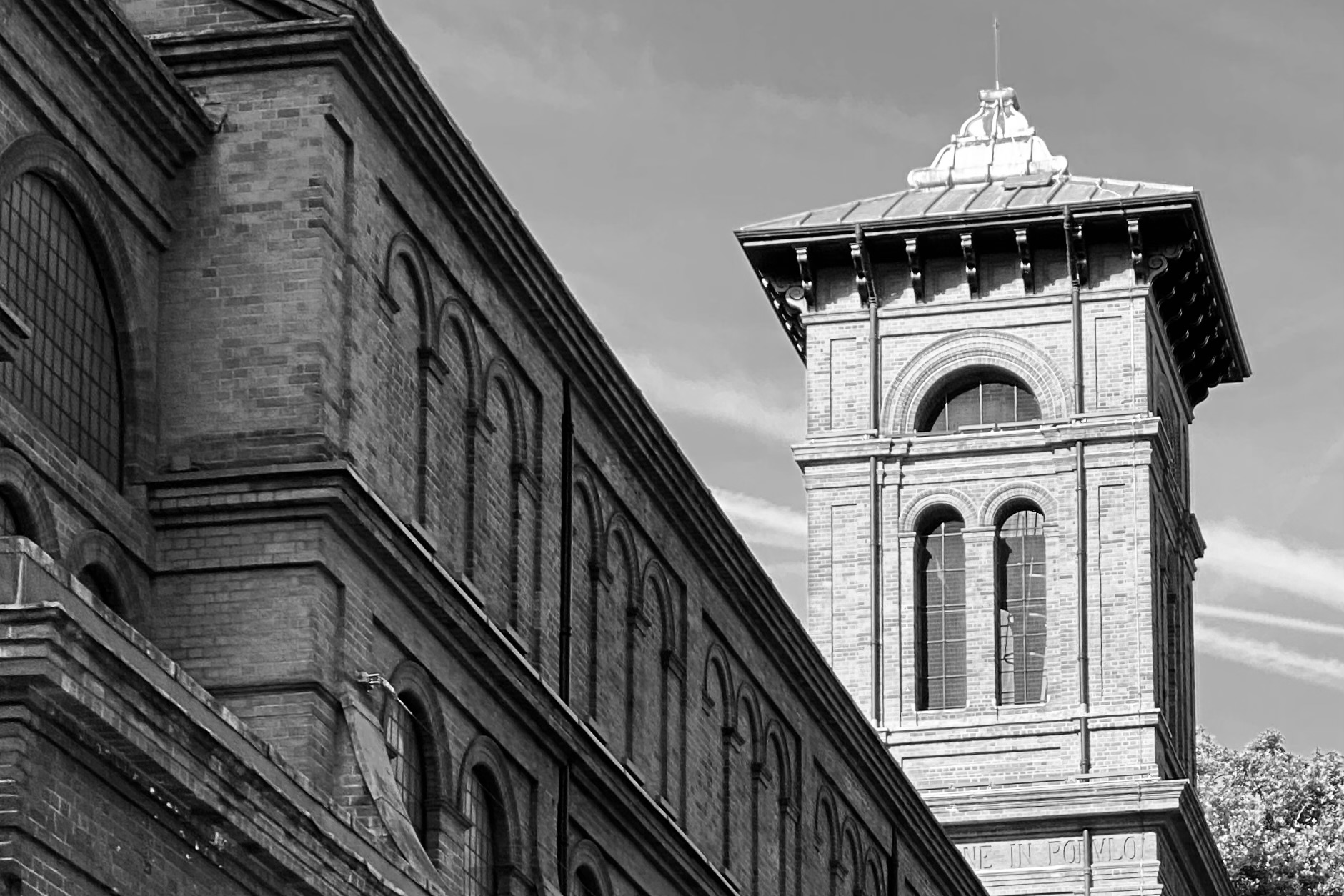
On Saturday, I took a train to London to attend Summit 2026 at St Patrick’s church in Soho. Centred around the theme of Freedom of Heart: Monastic Wisdom for Everyday Life, the day offered a rich lineup of talks, reflections, and Q&As across topics like hope, inner freedom, and applying spiritual principles to active life in the world.
The plenary speakers began the day with two morning presentations. We heard from Bishop Erik Varden—who recently delivered the Lenten Spiritual Exercises for Pope Leo XIV in Rome—and Fr Jacques Philippe, a cheerful, popular author of books on prayer who draws deeply from the Carmelite tradition. Among the afternoon sessions were talks by two sharp and energetic Dominican nuns, Sr Carino Hodder and Sr Lucy Cahill, whose candid approach to the Rule of St Augustine was entertaining and inspiring. Archbishop Richard Moth was also in attendance for part of the day.
(more…)
 RhysTranter.com